Is Guinness Bristol City deal a sign of football shirt sponsorships to come?

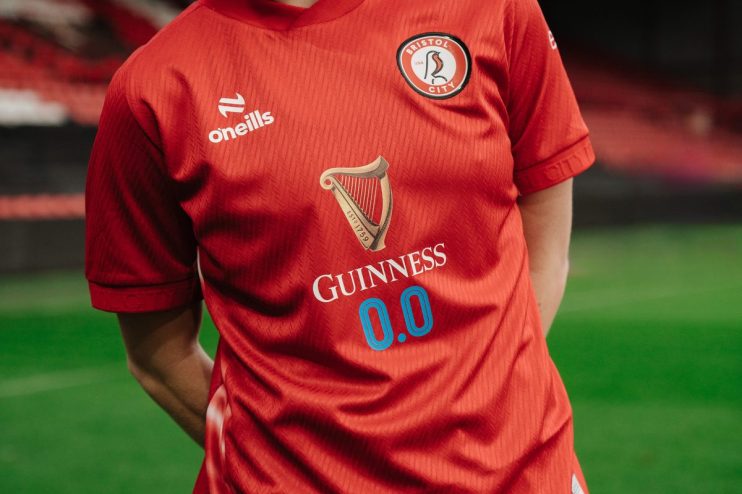
Looming exit of betting companies from football front-of-shirt sponsorship opens the door for more consumer brands like Guinness to return, writes Matthew Fletcher-Jones.
Having made the often-regrettable decision to support Tottenham Hotspur in the 1980s, I’m still pleased to see any corner shop selling Holsten Pils – the club’s shirt sponsor throughout my youth.
Chelsea fans would probably prefer a pint of their 90s sponsor Coors while fans of Liverpool will naturally turn to the Crown Paints catalogue when it comes to decorating the spare bedroom.
The early days of football shirt sponsorship saw iconic kit and sponsor combos which hold a place in fans’ hearts to this day. Football was a means of bringing consumer brands to the masses, before the Premier League became a global behemoth and the shirts a tool for reaching a worldwide audience.
Consumer goods have vanished from the kits of English top-flight teams in recent years, replaced by airlines, insurance companies and, most commonly of all, betting brands you’ve almost certainly never heard of.
This summer front-of-shirt sponsorship will experience a big shake-up because of a (self-imposed) ban on betting brands, meaning 11 current Premier League clubs will need to sell their biggest piece of prime real estate elsewhere.
Women’s football offers sponsors alternative
It’s said that betting companies pay a 30-40 per cent premium to be shirt sponsors. So, with prices set to fall, will we see the return of more recognisable brands?
Well, not necessarily – as they’re already signing up to the opportunities offered by the Women’s Super League.
Guinness and their partnership with the then high-flying hoops of QPR was a classic sponsor and kit combo decades ago. After becoming the brand of rugby, Guinness has returned to football in recent seasons with various EPL deals.
But when choosing its first shirt sponsorship in 40 years, the brewer last week revealed its Guinness 0.0 logo on the shirts of Bristol City Women.
Yes, this deal will be cheaper than a men’s Premier League shirt sponsorship, but I doubt that it is finances driving the decision by Guinness. The women’s game is a growing market, with an increasingly identifiable and brand-friendly audience, and greater scope to activate with the players and clubs.
In recent months Mercedes-Benz and Apple have signed deals with the WSL too, choosing to create innovative partnerships rather than a traditional, formulaic Premier League deal.
So, what can we expect with lots of Premier League clubs looking for new front-of-shirt partners? Hopefully, some innovation from both clubs and brands.
The days of “wallpaper” sponsorship deals could well be over, with clubs creating “bundle” partnerships which include wider assets beyond the shirt, greater access to players and – in this AI-driven world – fan data.
Spotify and Barcelona show way for sponsors
Spotify and Barcelona have demonstrated what can be done in the market. Could the increasingly sport-obsessed streaming platforms sponsor a club and put a different TV show on the shirt each month?
Might we see a return to the tactics previously employed by Carling and NTL to sponsor more than one team? Some clubs could sign up alternative home and away kit sponsors.
And we can almost certainly expect more global B2B brands joining the Premier League sponsorship stable as football can provide the cultural relevance their businesses naturally lack.
Spurs, with ever-growing commercial revenues, are now way beyond the Holsten days and may offer a glimpse into the future with an astonishing 12-year deal with Sports Illustrated to become an inaugural member of “The Collective”.
Three more partners are also expected to be announced and share in bringing “bespoke activations” to the Tottenham Hotspur Stadium. When Spurs’ shirt deal with AIA ends in 2027, will those four brands share the club kits too?
One thing is guaranteed: we haven’t seen the back of the gambling brands. They will still be able to sponsor shirt sleeves and training kits. Expect those sponsorship packages to rise by, oh, somewhere in the region of 30-40 per cent this summer…
Matthew Fletcher-Jones is a sports communications consultant.