Riyadh Season like Saudi Arabia’s Disneyland as darts joins roster

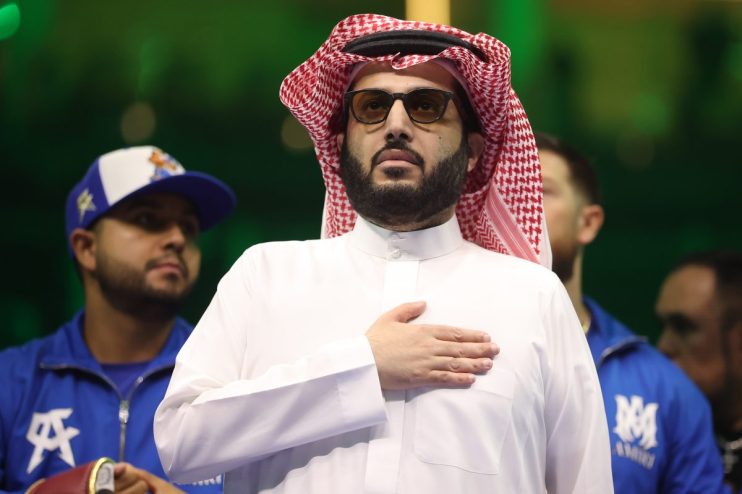
Riyadh Season’s expansion to encompass more sports and cultural events – including, for the first time, darts – has seen it likened to “Saudi Arabia’s Disneyland”.
A new deal with multi-sport promotion giants Matchroom will see the Saudi Masters Darts join the likes of boxing and snooker on the Arabian peninsula.
Furthermore, Riyadh Season – the brainchild of Saudi supremo Turki Alalshikh – will encompass the Six Kings Slam tennis, a flag football tournament featuring Tom Brady, and cultural spectaculars including a display of 200m flowers.
“Fundamentally, Saudi Arabia is seeking to generate awareness of an important initiative for the country, via its various partnerships,” sports business expert Prof Simon Chadwick told City AM.
“The country is positioning itself as a warm-weather winter destination for travellers who normally would travel to Dubai or Miami. This is part of Saudi Arabia’s tourism drive, which will ultimately link in to the launch of its new national airline.
“Ultimately, Riyadh Season is in essence Saudi Arabia’s Disneyland – the country has created its own IP, which it is now seeking to commercialise and generate revenue from to contribute to both the Riyadh and Saudi Arabian economies.”
Gen Z Riyadh Season
Riyadh Season has ensured widespread exposure throughout media, on the BBC via a deal with Boxxer promotions, Netflix through Six Kings Slam, Sky for the darts and a host of other events across other broadcasters, including Saudi part-owned streaming service Dazn.
Riyadh Season officials say last year’s festival of sport and culture attracted over 20m visitors from over 135 countries. They claim the brand value of the festival is $3.2bn.
“In marketing Riyadh Season, the kingdom is also attempting to project soft power,” added Prof Chadwick. “The event is intended to enhance the country’s image and reputation, as well as its global legitimacy.
“It is also worth remembering that Riyadh Season was initially created to cater for the demands of local audiences, particularly Gen Z, as the country transforms itself both socially and culturally.”