Lions profit share gives players buy-in and shows the future of rugby

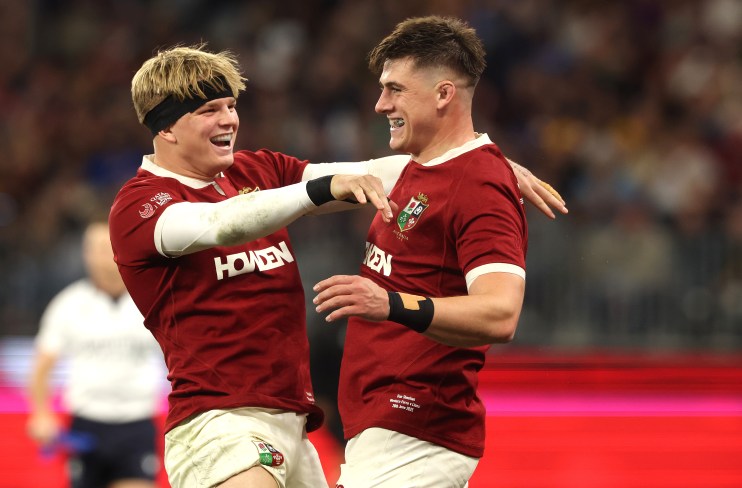
British and Irish Lions players will be hoping that the MCG gets close to capacity for Saturday’s second Test against Australia – and not just for the sake of a good atmosphere.
This tour is the first in which Lions players will receive a share of profits, a move expected to bump their pay up to around £100,000 a man for the current trip Down Under.
I think it’s a progressive move to weave the players into the fabric of the business at a time when the Lions face pressure to maintain long-term relevance.
To give an example, the tourists will be far more willing to fulfil whatever commercial obligations they have to their many sponsors. If they feel a sense of ownership, there’ll be buy-in.
That’s something you can only do with the Lions which, unlike Premiership Rugby, isn’t burdened with onerous infrastructure costs and therefore makes good money.
Buy-in from players, who are also getting more input on Lions schedules and preparations, could prove vital in protecting the touring team from existential threats.
One of those is relevance, a key consideration when matches only take place over a six-week period once every four years.
That relatively tiny window is the reason why, pound for pound, the Lions shirt is the most expensive property in sports sponsorship.
Is there a way to bridge the gap between tours, perhaps with more one-off matches? Could Test series be longer? Is it worth exploring different tour destinations?
This series, which the Lions could clinch with a match to spare this weekend in Melbourne, has been a commercial success but in terms of entertainment it’s been dross.
Taking the team to, say, France instead would excite fans much more. Players would enjoy it too, and in future perhaps they’ll push to go there.
On the other hand, more Lions games risks devaluing the product. This could upset not only traditionalists but also the commercial partners who support it all.
Why rugby is going the way of cricket
More money and influence for Lions players means less power for clubs, and that shift is a good dynamic in my opinion.
Add in the proposed R360 breakaway competition and plans for a sevens franchise competition, and rugby looks to be going the way of cricket.
In cricket it’s all about Test matches and the commercially successful short-form franchise leagues, like the IPL and The Hundred. Club sides are on the margins.
Greater commercial opportunities for the top rugby players will create better visibility and ultimately loyalty, which has to be a good thing.
R360 is an interesting play in itself. Depending on which side of the fence you sit, it’s either amazing or doomed to failure. I think it’s exciting.
Its organisers may need to sustain losses for a while to get traction – you don’t want it to be a flash in the pan that then disappears as rugby consumers will only end up losing faith in the product – but it seems as though those behind it have deep pockets.
I think it’s great to have challenger products, because it makes everyone think about how commercially viable and attractive to fans their own offering is.
One hurdle R360 faces is the increasingly fragmented landscape of rugby. Sports fans are already saturated. Perhaps ripping it up and making it truly global is the way to go.
Former England Sevens Captain Ollie Phillips is the founder of Optimist Performance, experts in leadership development behavioural change and executive coaching support. Follow Ollie on Twitter and on LinkedIn @OlliePhillips11