The real Guinness Six Nations showdown is happening in the pub

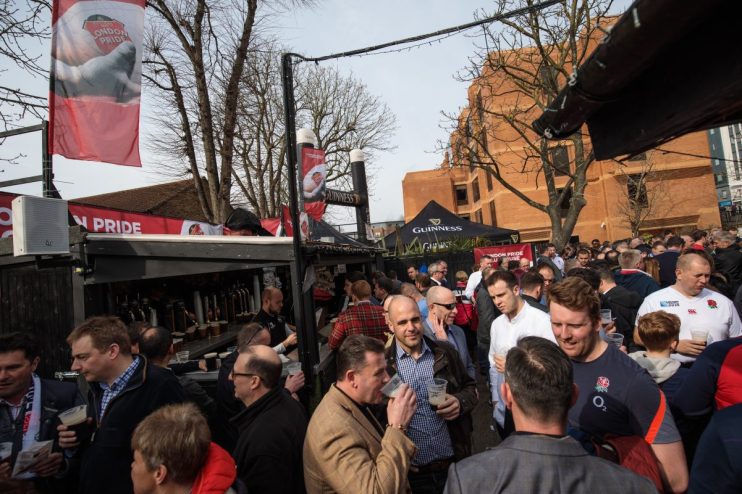
As the Guinness Six Nations kicks off, Britain will do what it does best: argue about referees, over-analyse scrums, and drink a respectable amount of beer.
And while the games unfold on the pitch, another contest will play out in pubs, feeds and group chats across the country. For beer brands, live sport remains one of the last places where attention is concentrated, communal, and emotionally charged. Which makes it prime territory — and fiercely contested.
Guinness dominates the Six Nations. Decades of presence have turned the pint into part of the matchday ritual – ordered before kick-off, raised during the anthem, and shared long after the final whistle.
That level of ownership is tricky to disrupt. But that doesn’t mean there isn’t room for other brands to play – they just need to play differently.
In today’s media landscape, simply being “the official beer” doesn’t guarantee attention. Audiences scroll past ads in seconds. Visibility is easy. Meaning is hard.
Making progress
And the brands making progress are behaving less like incumbents and more like challengers, carving out specific communities, subcultures, and moments around the game.
Heineken’s work around the Champions League also shows how far brands are now willing to go to add to the fan experience.
In South Korea – where Champions League games often kick off at 4am and licensed venues are scarce – the brand created ‘24/7 Trust Bars’: unmanned, self-serve spaces where fans could watch matches together, pay via automated terminals and rely on a simple premise: trust.
It was a solution rooted in behaviour, not branding. Heineken created local opportunities to join in the global conversation by opening new bars; it solved a real problem fans had.
While the execution was local, the lesson is universal: the brands that win are the ones willing to redesign experiences around fandom, not just advertise around it.
Six Nations battle of beer
If football shows us where fan experiences can go, rugby shows us where it’s already evolving, with traditions intact but fandom finding new forms and spaces to gather.
Alongside the men’s games, women’s rugby has been growing quickly, with fandom forming around different spaces and behaviours – smaller watch-alongs, tighter communities and a stronger sense of shared values.
Asahi Super Dry’s work on the Women’s Rugby World Cup last year leaned into those realities. Rather than focusing on big broadcast moments, it paid attention to where fans were watching – most notably, pubs that had rarely shown the women’s game before.
The Asahi Open Arms, a fan-focused pub in Shoreditch, wasn’t a flashy stunt; it was a simple idea rooted in behaviour: give fans a place where they knew the match would be on, the atmosphere would be welcoming, and they’d be among people who cared.
That idea spread to more than 1,200 pubs committing to showing the games, turning what had been a hard-to-find viewing experience into a shared one.
Business lens
The point isn’t that one brand ‘did it right’. It’s that relevance now comes from a breadth of voices, not a single brand. Players, fans, creators and publishers all shape how sport is experienced. They make global participation locally relevant. And brands that understand that tend to feel more authentic and land better.
There’s also a longer game at play. The strongest business results don’t come from parachuting into moments; they come from commitment over time. Choosing the right sporting and cultural territory matters because once you’re in, you need to stay in. Consistency builds trust. Trust builds memory. Memory builds return. Guinness and Six Nations rugby proves that.
For anyone watching through a business lens, the lesson is simple: live sport still delivers scale, but scale alone won’t win connection. The brands that succeed in this Six Nations are the ones that add to the moment rather than interrupt it – and know that sponsorship is the starting whistle, not the final score.