Gucci, BYD, Netflix: Who replaces gambling on Premier League shirts?

The end of the Premier League season is in sight, and for some clubs it could spell a financial nightmare. Not because they’ll inevitably part with millions of pounds to bring in the world’s top talent, but because a key revenue stream could be left vacant come the start of next season.
Premier League clubs moved in 2023 to voluntarily ban gambling and casino brands from the front of the 20 team’s shirts from the 2026-27 season. Half of this season’s clubs are sponsored by gambling and gaming brands.
Only Bournemouth have publicly confirmed a replacement, with stadium sponsor Vitality taking up the offer – on reduced terms.
Reports suggest Indeed will move from Brentford’s training kit to their main shirt, while CMC Markets is looking at Everton and Fulham.
Premier League lucrative
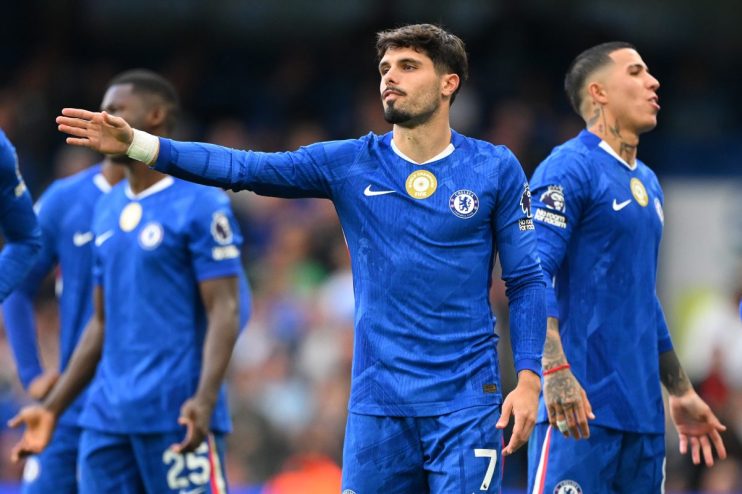
Chelsea began the last three seasons without a sponsor, but IFS.ai have come into the fold. Their chief marketing officer, Oliver Pilgerstorfer, doesn’t guarantee the firm will be the front of shirt next season – despite remaining a global partner – but gives an insight as to where the money could move.
“The fact that the Premier League made this change is just changing supply and demand in the market,” he tells City AM, “and clearly you’re taking away a bunch of companies that were finding financial gain by being on the front of the shirt.
“You’ll get different types of companies looking at different clubs with price, reach and the audience demographic being key elements.
“Our agreement is for now to get to be on the front of the shirt for the remainder of this season. We’ve only just made that announcement, and I think it’s too early to shed light on next season, other than to confirm that we’re certainly going to be a global partner for the next two seasons.”
The sponsorship hole
So where could clubs look?
“The clock is ticking,” Adam Raincock, co-founder of The Space Between Sports agency, says. “The obvious play is AI, which will be a key target for all clubs, but I would look broader.
“Cyber Security: A high-growth category already present in the Premier League at partner level, primarily as a B2B play.
“Chinese Car Manufacturers: Brands like BYD and Omoda have taken significant share in the European market and are active in sponsorship.
“Trading Platforms: Not a new category in football sponsorship, but the dynamics have changed. Technology has fragmented the market, with many platforms now targeting a younger, consumer audience.”
Premier League shoppers?
Head of sport at HaysMac, Tom Wilson, suggests other sectors could take the space, however.
“Retailers should be well-placed to step in with the clear parallels and benefits of associating Premier League footballers with fashion, sportswear, or lifestyle goods brands,” he says. “The economic challenges facing the retail sector in recent years have been documented widely, and many will be looking to make ambitious moves to move the dial in a febrile market as a result.
“The ubiquitous nature of gambling sponsors in recent years means the path for retailers is not so well-trodden, but there are clear examples to point to. The Championship has seen this more frequently, with Birmingham currently toting Undefeated and Norwich sponsored by Blakely. Burnley also sported Classic Football Shirts for one of their recent promotion seasons.”
Ambition needed
Alex Royce of Hope and Glory argues that Premier League clubs have not been ambitious enough.
“The vacancies shouldn’t be filled by the usual fintech brands but should pivot toward global luxury brands like Gucci and lifestyle giants like Netflix,” he claims. “It’s time for clubs to stop acting like sports teams and start operating as entertainment platforms.
“There is also a talent play here. Modern icons like Cole Palmer, Bukayo Saka and Erling Haaland are just as likely to be seen on a Vogue cover as they are on Match of the Day. As the line between the pitch and the runway continues to blur, these players will naturally gravitate toward culture forward clubs that alight with their own personal interests.
“Then there’s the Blokecore explosion, which has turned the football shirt into a high-street fashion staple, whilst brands like Dior and Moncler have successfully tested off-pitch formal wear and tunnel walk fits. Moving to the front of the shirt is simply the logical, if expensive, next step.”
What happens next across the biggest football league in the world will be a fascinating watch. Will fans see their favourite club shirts donned with more airlines and tech firms, or will luxury, retail and China come to the fore? Only time will tell, and it’s running out.