Why England World Cup host city Miami is amazing for sports lovers


The next England World Cup game takes place in Miami this Saturday 11 July, with the Brits facing Norway.
England have made the World Cup Quarter finals after a 3-2 win against Mexico, which means this Saturday’s host city Miami is about to steal the limelight.
Brits are expected to spend £250million if England reaches the World Cup final, and tickets for the Quarter Final are currently on sale for £8million.
The match is being played at 10PM UK time this coming Saturday.
Miami has always been a great holiday destination for sport lovers. Football, tennis, the Grand Prix all bring big ticket events, but there is plenty of recreational sport on offer too, including padel and pickelball.
But before this World Cup it was Lionel Messi who put Miami on the map for fans of football. He joined the Inter Miami football team in 2023 after playing for his native Argentina for nearly 18 years. His involvement rose the profile of US football.
Here’s the story of how Messi got involved in Miami football and helped put the US game on the map.
Messi and Miami: how it happened
Read more: England World Cup final run could see Brits spend extra £250m
There was an air of inevitability about the way that Lionel Messi, arguably the greatest footballer to have ever lived, struck a stunning stoppage time winner into the top corner for his new employers on his debut two years ago. The only surprise, really, was who it was he was playing for.
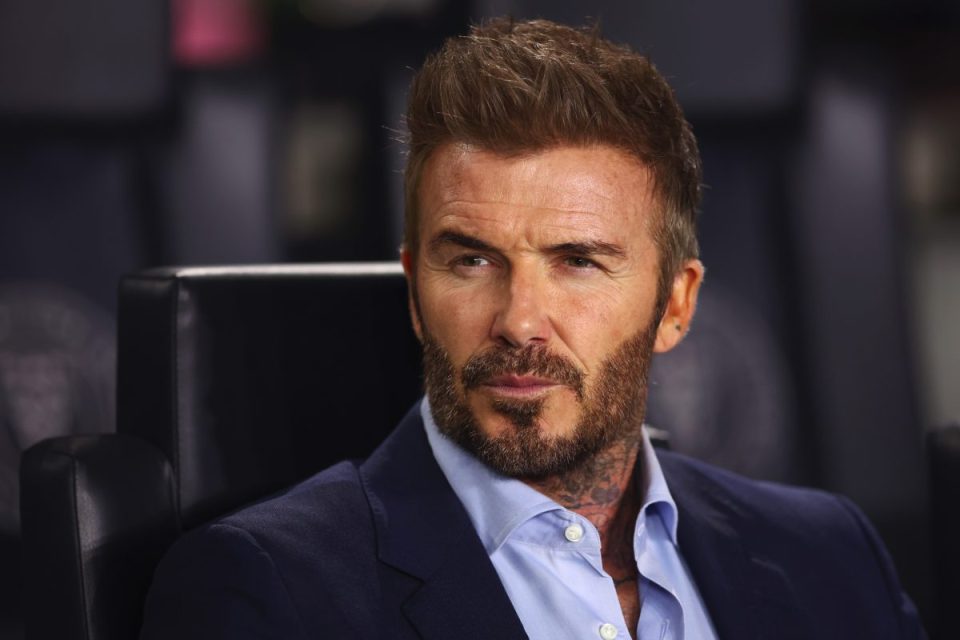
Eyebrows were raised in 2023 when Inter Miami, a Major League Soccer (MLS) franchise co-owned by David Beckham and founded only in 2018, secured the signing of the eight-time Ballon d’Or winner, fresh off the back of his World Cup-winning exploits with Argentina in Qatar. But success and silverware soon followed for the fledging franchise, along with a $1 billion valuation fuelled by record-breaking sponsorship deals, soaring ticket sales and a surge in subscriptions to Apple TV’s MLS Season Pass courtesy of the Messi effect.
Messi mania might have thrust Miami into the global soccer spotlight, but this is only the latest chapter in the story of a city with some serious sporting pedigree. From football to Formula 1, baseball to basketball, Miami has always been a mecca for sports fans.
And even before Messi was sprinkling his stardust in the Magic City, Miami was taking bold strides toward becoming America’s undisputed sports capital, winning bids to host some of the world’s biggest and most exciting sports events. With eight FIFA Club World Cup matches set for this year and seven FIFA World Cup games on their way in 2026, there’s never been a more exciting time for sports lovers to experience the magic of Miami.
England World Cup Quarter Final arrives in Miami: Soccer in the city
When Messi moved to Miami, some questioned whether the World-Cup winning captain was opting for an early retirement on the sunny shores of South Florida. But beneath the sheen of the city’s sun-soaked beaches and glitzy nightclubs there’s a deeper reason why Messi and Miami are a match made in heaven.
Over 70 per cent of Miami’s population identify as Latino, and Latin American and Hispanic culture is the pulsing heartbeat of the city. It’s heard in the clamour of blended Spanish accents in the city’s crowded cafes, felt in the infectious salsa rhythms spilling from its nightclubs, and savoured in a lively street food scene, from food trucks flogging meat-stuffed empanadas and arepas to golden churros dusted with sugar.
This means Miami, the so-called Capital of Latin America, is also home to a passionate, football-feverish fanbase – a major reason why Beckham decided to establish his soccer franchise here in 2018.
It also meant that when rumours spread that Inter Miami were eyeing the Argentinan genius, a wave of wealthy Colombians, Venezuelans, Mexicans and more were ready to welcome – nay, worship – Messi as one of their own.
At 37 years old, the maestro is nearing the end of his remarkable career. For football fans worldwide, a trip to America’s aptly nicknamed Magic City might be the final chance to witness the planet’s finest ever footballer cast his spell one last time.
This summer, he led his team into their debut Club World Cup campaign, with the Miami Dolphin’s Hard Rock Stadium hosting several key fixtures in the new-look format. They made it to the round of 16, beating Porto on the way.
Whether Messi will still be with Inter Miami for its big move to its new 25,000-seater home at Miami Freedom Park in 2026 remains uncertain, but the franchise’s recruitment of stars including Luis Suárez, Sergio Busquets and Jordi Alba shows they have no problem attracting box office, albeit aging, talent to the team. And with the Hard Rock Stadium also chosen to host seven matches in the 2026 World Cup, Miami’s love affair with football is sure to live on long after its biggest star moves on.
More than Messi
Miami’s sporting legacy stretches well beyond the recent magic of Messi. The city has long been home to some to some of America’s most beloved and stories sports franchises.
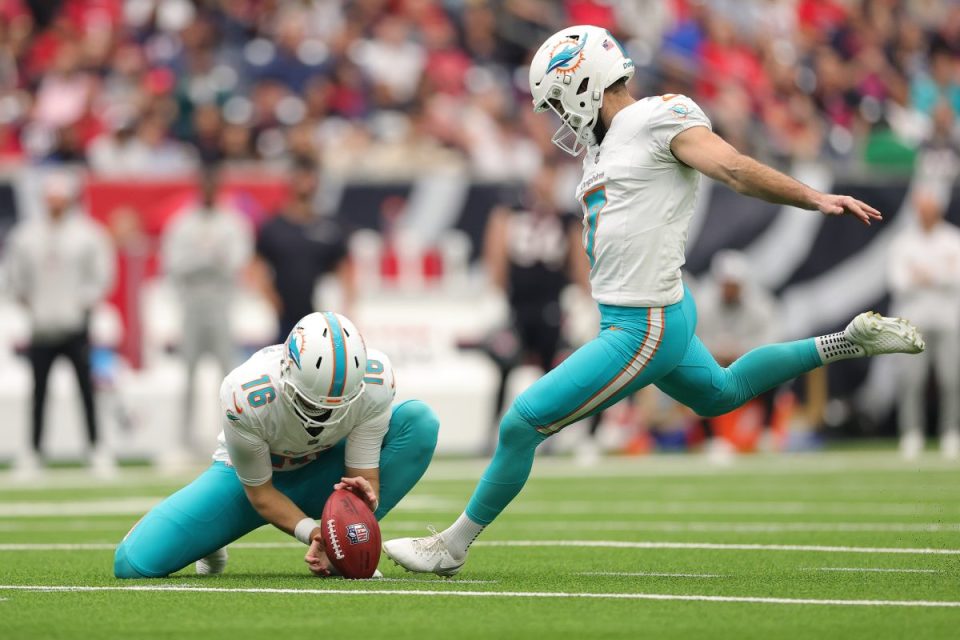
The Dolphins remain the only NFL team to complete a perfect season, winning the Super Bowl without defeat in 1972. In the NBA, Lebron James, Dwayne Wade and Chris Bosh led the Miami Heat to back-to-back championships in 2012 and 2013. And two World Series wins for the Miami Marlins, the city’s underdog Major League Baseball team, shouldn’t be sniffed at either. Though these iconic franchises have struggled to replicate their success in recent years, their world-class stadiums continue to draw huge crowds of loyal followers, and sporting spectacle and drama is all but guaranteed.
Beyond the major leagues, Miami has made its mark in other sports in recent years. In 2019, tennis’s Miami Open was relocated from Key Biscayne to the heart of the city at the Dolphin’s Hard Rock stadium. Three years later, the first Formula 1 Miami Grand Prix roared onto the scene, racing through a circuit built around that same stadium, adding to Miami’s busy sporting schedule and cementing its status as one of the world’s top sports destinations.
Catching multiple teams in action can be challenging though, as each league follows its own schedule. The NFL regular season runs from early September to January, when the playoffs begin, the NBA from October to April before the Finals in June, and the MLB from April to October. Throw in the Miami Open in early spring and summer’s Miami Grand Prix and syncing everything together in one trip becomes impossible, but with sports action all year-round, some strategic planning can allow you catch two or three most-see fixtures.
Anyone’s game
Sports tourism isn’t just about the watching though, and Miami offers plenty of opportunity to get hands on with the city’s sporting culture, from padel and pickleball in Miami’s Little Haiti neighbourhood to Miami Gardens’ high-tech TopGolf experience. But some of the best fun can be found in Miami’s more traditional sports.
For those with a need for speed, the NASCAR Homestead-Miami Speedway lets drivers take the wheel of a real NASCAR race car. Hurtling around the same twenty-degree banked turns used by the pros at the annual NASCAR Cup Series without the safety net of an instructor in the passenger seat might be beyond the bravery of some, but ride-along options let you experience the adrenaline rush in the seasoned hands of a professional driver. Either way, it’s a high-octane, heart-pounding introduction to one of the Southern states’ sacred sports.
Speaking of speed, Miami is also home to the surprising titleholder for the world’s fastest ball sport. According to the Guinness Book of Records, the fastest projectile speed in any moving ball game was recorded in Miami in 2017 during a game of Jai Alai. Often described as squash on steroids, Jai Alai has deep roots in the city’s Latin American communities, and spectators can watch the action at the Magic City Casino or even get involved at one of the city’s welcoming amateur clubs.
With a packed calendar of world-class events, a deep-rooted sports culture, and endless ways to get involved, it’s no wonder that sports fans from all over are drawn to the magic of Miami – the new sporting capital of the USA.
• For more information on visiting Miami go to visitmiami.com; To book an Inter Miami ticket go to intermiamicf.com