The Square Mile gets its fourth City Minister – could it soon get its fifth?


Four City minsters later, in this week’s column Samuel Norman takes a look at the blow to the Square Mile from the latest reshuffle. Also on the agenda: Revolut’s plans for the high net worth faces off with ambitions of incumbents.
“Look for the girl with the sun in her eyes…” So goes the lyrics of The Beatles 1967 hit ‘Lucy in the Sky with Diamonds’.
One Lucy who certainly has had the sun in her eyes is City minister Lucy Rigby (sister to Eleanor?), a rare gem in the government, who impressed the Square Mile since she took up her post in September last year.
Readers of this column will remember the solicitor-turned-MP held a series of crunch talks with the bosses of the nation’s unicorns just weeks ago as they launched their gambit to unlock pension funds. Some in the talks even mentioned their fears of losing Rigby to another dreaded reshuffle or seeing her quickly move up the ranks.
Those fears have been confirmed. As John Lennon sang, those searching for Lucy will find she has gone. But in a case quite different from the narrative enshrined in the 1967 Beatles hit, instead, Lucy’s in the Cabinet with Rachel.
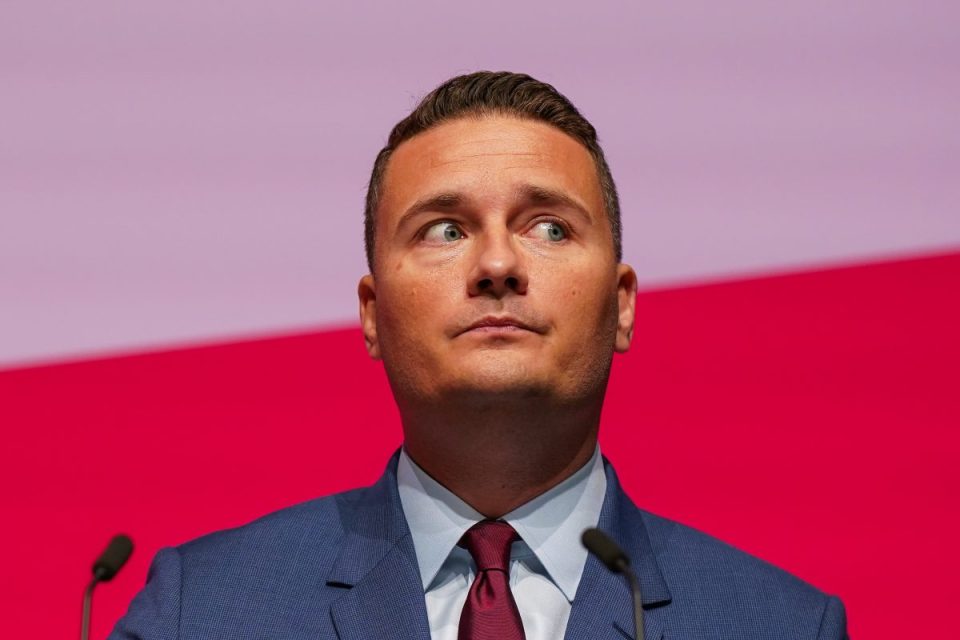
The Northampton North MP shot up the ranks following Wes Streeting’s long-trailed resignation as health secretary. Starmer quickly brought loyalist James Murray into the fold to replace Streeting, which left a vacancy in the Treasury for chief secretary, which effectively serves as Rachel Reeves’ second-in-command. And thus, Rigby found herself hastily promoted to a brief with new responsibilities.
Rachel Blake, the MP for Cities of London and Westminster, now takes the mantle as City Minster marking the fourth (!) in just under two years of Labour government. With an average tenure of around eight months, it does beg the question how productive one minister is allowed to be in a role that crucially bridges Whitehall and the beating heart of the UK’s financial services sector. More than a few City bigwigs are feeling a little bruised given the months invested in relationship building, not least during recent talks over new reforms to drive innovation.
Rigby had just begun to cut her teeth with a series of pledges announced to boost the fintech sector a few weeks ago. Whether revolutionary or not, they marked the beginning of some payoff from long-running conversations with bosses. These included kickstarting plans to ramp up the UK’s approach to digital assets. But now, in her new brief, Rigby will swap out the City to oversee departmental spending across government. City bosses will be hoping for a smooth handover to her successor.

There is of course the argument to be made that Rigby remains in the Treasury and will simply impart her wisdom and experience to Blake, to say nothing of the input of officials who aren’t shuffled around quite as often as their ministers. But what’s to say that by the time this handover period ends we won’t be learning the name of the fifth City minister, resulting from a post-Starmer reshuffle?
At the City Week conference on Monday – from which Lucy Rigby was pulled after the reshuffle – I caught up with industry sources on the matter, who shared a similar sigh of exhaustion at the latest switcheroo.
One financial policy boffin shook their head when I reminded them this was number four. I am not quite sure I can repeat in these pages their reaction when I raised the prospect of number five.
Revolut pops UK banks wealth bubble

Every bank in the City wants a slice of the wealth pie.
It’s why Natwest was willing to open its wallet to its biggest deal since the financial crisis and pay £2.7bn for Evelyn Partners. Whether that deal will really pay off remains to be seen but it speaks to the intent of a majority of the City’s lending giants. See HSBC, which opened its $5m wealth office last year.
And now we have another firm ramping up its efforts to lure the wealthiest customers. Ever the disruptor, Revolut bagged a new permit from the Financial Conduct Authority that will help its trading arm expand into the likes of private wealth services. It’s expected that this will further the fintech’s plans to park its tanks on the greener side of the incumbents’ lawn.
A note from Bloomberg Intelligence analyst Tomasz Noetzel on Tuesday said Revolut’s fee-income model makes its business engine “more resilient than most banks” in the face of declining rates. And whilst the rates environment faces some hawkish sentiment for the time being, it’s not stopping top banks from seeking to pivot their reliance onto the stable fees.
Revolut’s wealth revenue rose 31 per cent to £663m last year and has quickly become a standout performer. As of now it mainly caters to trading services including cryptocurrencies and portfolio management.
Noetzel highlights wealth is Revolut’s “fastest-growing area” and adds a “structural opportunity exists in the mass-affluent segment” ahead of the tipped debut of its private bank.