Regional stadiums: the infrastructure solution for WSL and women’s football?

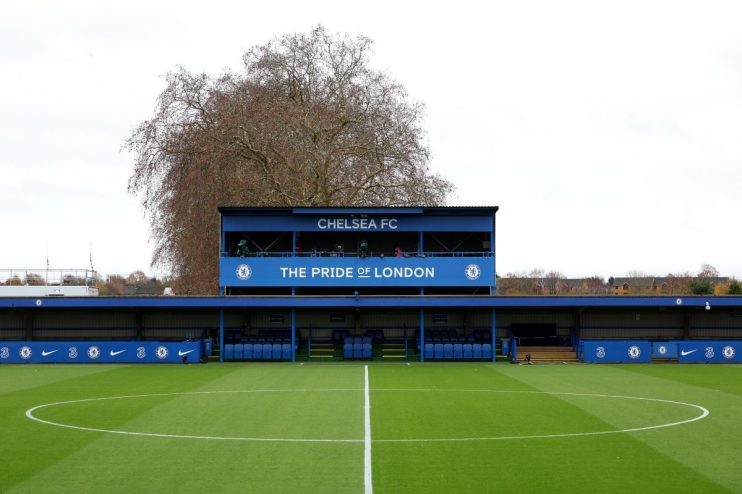
Women’s football is one of the fastest growing sports and investment opportunities in the UK right now – think Michelle Kang’s cash injection at London City Lionesses or Alexis Ohanian’s £20m investment in Chelsea Women.
In the 2023/24 season Deloitte reported that the 12 Women’s Super League (WSL) football clubs generated an aggregate revenue of £65m – a 34 per cent increase on the previous season, and matchday revenue in the WSL saw a staggering 73 per cent increase between the 2022/23 and 2023/24 seasons.
But this is not men’s football reimagined. Women’s football brings an entirely new audience, culture and highly marketable product. And despite the current infrastructure not being fit for purpose, there is a growing loyal fan base willing to watch their favourite players week in week out. But to really maximise opportunities for both the sport and the economy, the women’s game must not be shoehorned into stadia designed for men’s football. Instead, we need to invest in the infrastructure that the sport needs to operate – and regional stadiums could well be the solution.
Regional stadiums
Rather than each club having its own home stadium, purpose-built regional venues could serve multiple teams within the same area as their ‘home’ ground. Traditional football stadiums are typically used for only 10–20 per cent of their lifespan on match days, leaving significant capacity underutilised. It is obvious that by hosting more matches at a single venue, the revenue potential increases – and women’s football offers a unique opportunity here.
Women’s football fans tend to be less tribal, with home and away supporters often seated together in the same stand – almost unheard of for spectators at men’s football matches. This cultural difference creates an opportunity for regional, broadcast-ready stadiums to host double headers and encourage spectators to stay for the entire day – imagine Chelsea Women vs Manchester United Women at lunchtime, followed by Arsenal Women vs Manchester City Women in the afternoon. Therefore, because of its distinctively fluid fanbase, such a venue could accommodate more matches overall and unlock greater revenue potential.
An initiative like this would require an investment strategy alongside leases agreed with the individual clubs and agreement from the WSL to avoid scheduling conflicts. But with five London-based clubs and five north-west-based clubs making up 10 of the 12 current WSL clubs and with the WSL expanding to 14 clubs next season, now is the time to invest.
Investible women’s football
When investing in women’s football stadiums, other design aspects will also need to be considered. Live WSL matches attract a more female fanbase and are significantly more family-friendly than the men’s game. This different crowd means stadiums hosting women’s matches need tailored facilities. For example, while single turnstile entrances at traditional football grounds are suitable and safe for most fans, they are less practical for families with children. Similarly, strict bag policies common in men’s football may need to be relaxed, as families often bring snacks and other supplies.
The commercial potential for families making a day of it is already clear. A family-focused crowd is looking to spend on alternative produce options rather than the traditional pie and pint, as well as on merchandise that serves as a match-day memento for their children.
Undoubtedly, the investment potential in women’s football is growing. But to maximise that potential, it must be supported by infrastructure that has been designed to suit the unique needs of the women’s game and its audience. And if done correctly, regional women’s football stadia could well be the next big opportunity for investors.
Sarah Rock is a Construction Partner at Boodle Hatfield