Cricket lawmakers MCC relax bat rules amid worldwide run on willow

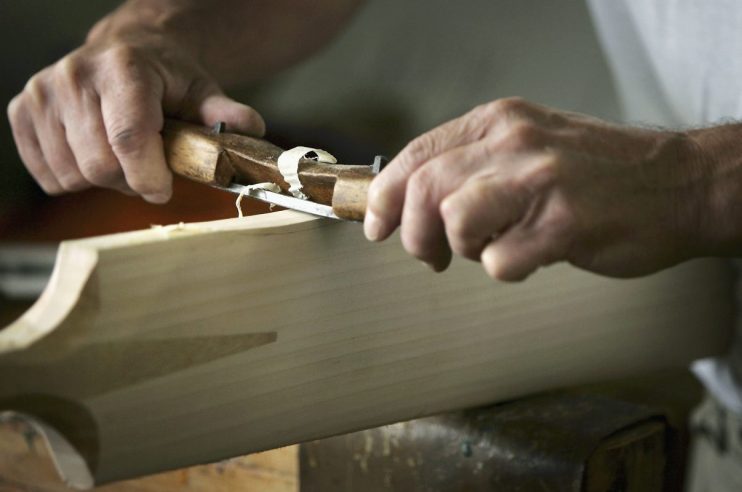
The soaring cost of English willow has forced cricket’s lawmakers the MCC to rewrite their rule book and allow the use of previously-banned laminated bats.
Top-of-the-range Grade 1 bats have more than doubled in price to around £1,000 over the last decade, fuelling fears that swathes of would-be cricketers are being priced out.
Those concerns have spurred the MCC to relax its laws on bat composition and allow amateur players in open-age recreational cricket to use “Type D” models, typically composed of an English willow face backed by cheaper wood, from later this year.
“It is important that we announce these changes now as part of the club’s global commitment to the game, giving officials from all over the world the chance to learn under the new laws ahead of them coming into force in October,” said MCC Laws Manager Fraser Stewart.
“Cricket is a fast-evolving sport and this edition is drafted with the modern game in mind, as we are constantly looking to ensure that the laws, which the club has administered since being founded in 1787, are fit for all levels of cricket across the globe.”
Bat rule change to combat cricket elitism fears
Type D bats, which cost less than £200, were previously permitted only in junior cricket. Their wider adoption is designed to combat concerns about elitism in the sport.
A combination of surging global demand for willow, driven by Asian and North American markets, and historical under-planting have led to scarcity and driven up prices.
Environmental trends, such as milder winters both reducing damp land needed for willow to grow and creating wider grains less popular with professional players, are also factors.
Other amendments announced by the MCC include new limits and names for balls in different forms of cricket, enforcing the bowling of all balls in the final over of the day in multi-day matches, and changes to rules on overthrows.