UK sanctions 25 targets in illegal migration crackdown

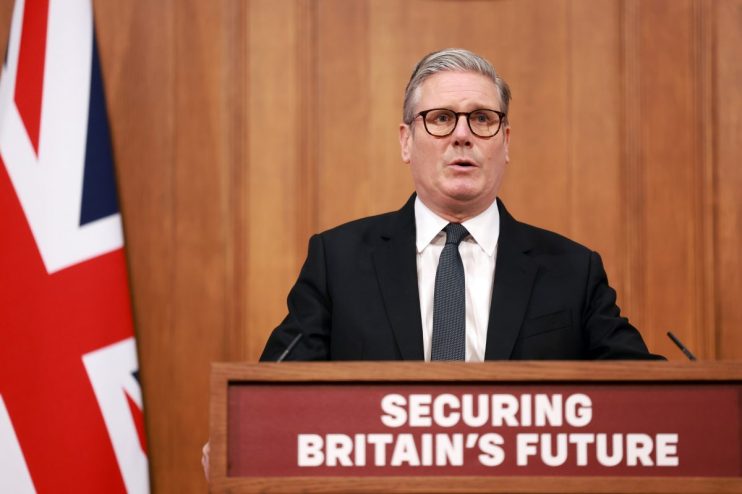
The UK government has banned 25 people smugglers, fraudsters, and bankers in the first set of sanctions aimed at curbing illegal migration, putting pressure on countries across Europe and the Middle East to follow suit.
The Foreign Office has disclosed the names of 24 individuals and one company it has accused of facilitating people-smuggling and driving illegal migration, with Balkan gangs and people-smugglers among those targeted.
A Chinese company has been accused of manufacturing inflated boats advertised for small boat crossings, with sanctions preventing any UK business in the UK from dealing with designated parties.
Foreign secretary David Lammy has labelled the first set of sanctions a “landmark moment” to tackle organised immigration crime.
“From Europe to Asia we are taking the fight to the people-smugglers who enable irregular migration, targeting them wherever they are in the world and making them pay for their actions.”
Officials hope the likes of Germany and France will follow with their own sanctions while the UK’s closer relationship with Iraq is underpinned by hopes the country can help to clamp down on illegal migration.
Seven individuals linked to Iraq were sanctioned by the UK in the first published list.
Others include people-smugglers in charge of “Belgium operations” as well as Serbia-based suppliers of fake passports.
Costs of illegal migration
In a separate initiative, the Home Office is set to provide Deliveroo, Just Eat and Uber Eats with details of asylum hotel locations to tackle illegal working.
It follows several reports that asylum-seekers in taxpayer-funded asylum hotels were working as delivery riders days after arriving in the UK in small boats.
The costs of illegal migration are mounting for UK taxpayers, with the government expected to spend an additional £280m on border security by 2029.
Asylum hotels and legal processes for immigration cases have also added an extra strain, with spending on accommodation being deducted from the foreign aid budget.
The government said it would end the use of asylum hotels by 2029, but Prime Minister Keir Starmer has faced more scrutiny over what type of accommodation might replace hotels.
Home Office annual accounts show that £2bn was spent on hotel accommodation in the financial year to April, according to the BBC.
There were 32,345 people in asylum hotels at the end of March, lower than the total in December.
Some migrants are believed to be moving into houses in multiple occupation (HMOs) where more than three individuals can share the use of a bathroom and kitchen.
Keir Starmer said there was “lots of housing and many authorities that can be used” to accommodate asylum seekers despite fears Britons are still struggling to find homes to live in.
A surge in the number of small boat crossings this year could force the government to maintain its high expenditure on dealing with migration.
Deputy prime minister Angela Rayner told colleagues in the Cabinet that immigration was having a “profound impact” on society, claiming it was “incumbent on the government” to show it was delivering on people’s concerns.