English rugby is on brink of seismic change. It mustn’t fumble at the try line

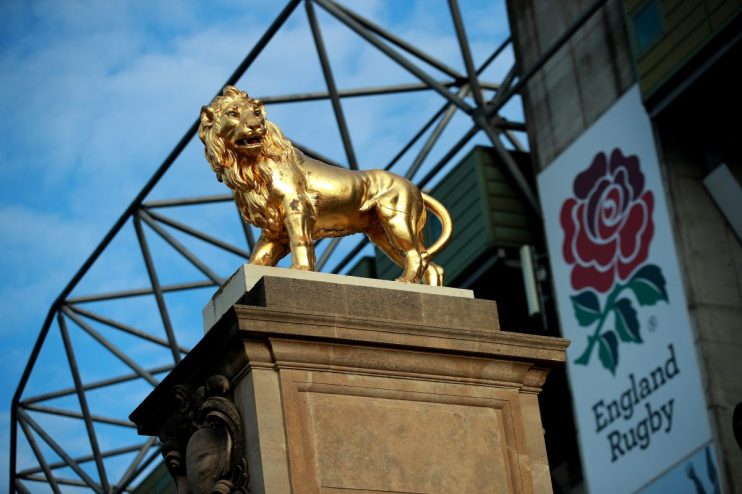
Ed Warner was part of the group that has recommended major changes to the way English rugby is governed. He explains why this is a generational opportunity.
This is news overload time for English rugby. The men’s national team wilting twice in the Six Nations under weighty expectations, debate about the possible impact of head injuries brought into focus once again by Lewis Moody’s very personal reflections on his Motor Neurone Disease, the conversion of the Prem to a franchise league with the removal of conventional relegation jeopardy and, least noticed, potentially seismic revisions to the governance of the game.
The proposed changes at the Rugby Football Union have been either two years or decades in the making, depending on your perspective. I’ve been an independent member of the drily named Governance and Representation Review group tasked with assessing the effectiveness of the RFU’s decision-making structure.
While it has actually been a couple of years, truth be told at times it feels like our process has taken very much longer. No fault of this process – indeed its protracted nature underpins the strength of our recommendations.
History and its lessons have weighed heavily during painstaking rounds of consultations and deliberations that led last week to the RFU’s ruling 60-person Council voting to relinquish its decision-making authority and become a slightly smaller consultative body, as well as endorsing greater devolution of power within the grassroots game.
A series of previous governance reviews down the years have floundered. None have had the breadth and depth of dialogue we’ve undertaken this time.
The upshot is that, subject to support from two thirds of the 1,400 or so members of the RFU (nearly all of them local clubs) who choose to vote at a Special General Meeting next month, English rugby will at last have absolute clarity of purpose and responsibility within its leadership structure.
A national council which advises a board that in turn has strategic and legal responsibility in overseeing the work of the CEO and their executive team, all being periodically held to account by members through general meetings. All of which would be familiar to anyone operating in the corporate world.
Where the RFU’s executive might to date have been frustrated by the convoluted layers of authority they have had to navigate – and which also give them an out should decisions be fumbled – in future there will be space and clear parameters within which to operate, but nowhere for them to hide.
This review followed hard on the muddled changes to the height of tackles in the grassroots game announced in 2023. These shone an unforgiving light on the operating relationship between the RFU’s council, board and exec.
Perhaps clearer roles would have allowed more effective decision-making at the time. We will never know, but I am confident that the governing body wouldn’t tie itself in such knots in future should the RFU’s members back the GRR group’s proposals.
All of this presupposes that excellent people who genuinely understand rugby populate the key roles in the various bodies that will steer the sport in England in future, including those on the boards responsible for the Prem, the Champ and the women’s professional game.
This isn’t just about the expertise and character of hired professionals, though. It requires committed volunteers who have skills they’ve honed both within and outside rugby.
The game has well-known, deep-seated challenges at all levels: from participation in schools and clubs, through to the growth of the women’s game, the financial sustainability of the professional men’s game, the success of the England teams and the cost of upgrading the Union’s home at Twickenham.
From what I’ve seen over the past two years, there is no shortage of talent to be deployed across the various bodies charged with addressing these challenges and ensuring a vibrant future for rugby in England.
The RFU’s members now have a once-in-a-generation opportunity to approve changes that will point the game squarely towards the try line and give it the best chance of success.
War games #1
What price a Fifa World Cup ticket for Iran v New Zealand in Los Angeles on 15 June?
Category 1 and 2 tickets are currently on sale for $450 and $380, but surely Iran will be replaced by Fifa unless there is a change in its regime that Donald Trump considers acceptable.
Otherwise the US President won’t grant visas to the Iranian team and its coaches – assuming they even want to take part still.
“What is certain is that after this attack, we cannot be expected to look forward to the World Cup with hope.”
Mehdi Taj, president of Iranian soccer
With the United States the instigator of the current conflict, alongside Israel, this is quite the moral challenge for those (like me) backing the continued sporting isolation of the warmongering Russia and Belarus. Take this argument down one avenue and the USA gets banned from the World Cup it is co-hosting.
War games #2
Talking of which, the opening ceremony of the Winter Paralympics will be marked by a number of national flags paraded by local volunteers without cheery athletes trailing behind waving to the watching world.
The International Paralympic Committee has just readmitted official Russian and Belarusian teams, prompting a number of countries to boycott the ceremony. Strange that many of the indignant failed to vote for continued exclusion of Russia and its ally when they had the chance late last year.
“In our opinion, the opening ceremony should not be politicised. We respect and understand different points of view. If they do not wish to participate, we regret it, but we respect it.”
IPC president Andrew Parsons
Britain, like Canada, has been spared a ceremonial boycott decision having already decided that travel logistics didn’t square with its team’s competition schedule.
As one of the few Paralympic associations to speak out ahead of the IPC membership’s shabby decision back in September, I like to think ParalympicsGB would have done the right thing by Ukraine regardless.
Either way, it may be merely a symbolic dove’s feather on the wind in the current world of brutal conflict, but I’m glad British athletes will be anywhere other than the Arena di Verona tomorrow.
Ed Warner is chair of GB Wheelchair Rugby and writes his sport column at sportinc.substack.com