Tesla and Apple shares surge as US markets rally on trade deal

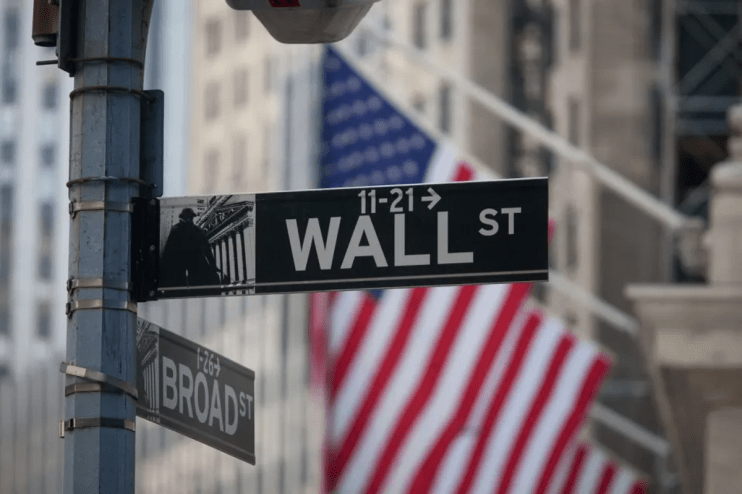
Markets on Wall Street soared on Monday as investors welcomed the trade progress between the US and China.
The S&P jumped over 2.6 per cent as markets opened and the Dow Jones 2.41 per cent.
Amazon gained over seven per cent and Nike six per cent.
The tech-heavy Nasdaq rallied 3.5 per cent. Tech giants bore the brunt of President Donald Trump’s tariff onslaught and the heating up of a trade war with China.
Apple surged five per cent on news of the agreement, but was still down over 14 per cent for the year. Elon Musk’s Tesla gained nearly seven per cent but losses for the year were at over 16 per cent.
This came after the White House reduced its import tax on Chinese goods to 30 per cent from 145 per cent previously, and China dropped its tariffs to 10 per cent from 125 per cent while the two sides negotiated a permanent settlement.
FTSE 100 edges up on deescalation
In London, UK’s flagship index closed with a gain of 0.6 per cent.
This was led by a near 10 per cent surge from Standard Charted. The lender had been especially bruised by the trade war due to its extensive ties with Asian economies, but news of a trade agreement helped the lender bounce back.
Miners, an industry especially exposed to China, were on the rise with Glencore up over six per cent and Anglo American and Antofagasta over five per cent.
Meanwhile, trade talks triggered a three per cent fall in gold to around $3,240.45 as investors ditched the safe haven asset as market tensions eased.
This caused Fresnillo and Endeavour, miners of the precious metal, to top the list of fallers in London with losses of over five per cent.
Elsewhere, Europe was swimming in the green on Monday.
Germany’s Dax was up 0.22 per cent, Amsterdam’s AEX 1.8 per cent and the Cac 40 in Paris 1.4 per cent.
But, analysts warned the coming months would be instrumental in ensuring investor sentiment remained healthy.
Russ Mould, investment director at AJ Bell, said: “The next 90 days are going to be crucial in determining the longer-term tariff levels between the two countries.
“It would only take China upsetting Trump once for him to rip up the 90-day deal and revert back to sky-high tariffs. China won’t want to come across as weak in any discussion and is certainly not a push-over, yet it will be cognisant of the situation’s fragility.
Mould added: “Trump has shown he is willing to reduce the severity of the Liberation Day tariffs and that has raised hopes for other countries to secure more favourable trade deals. All this points to the potential for a less severe hit to global trade and lower fears of recession. That in turn has put investors in risk-on mode.”