Punchdrunk Theatre founder: These video games changed my life

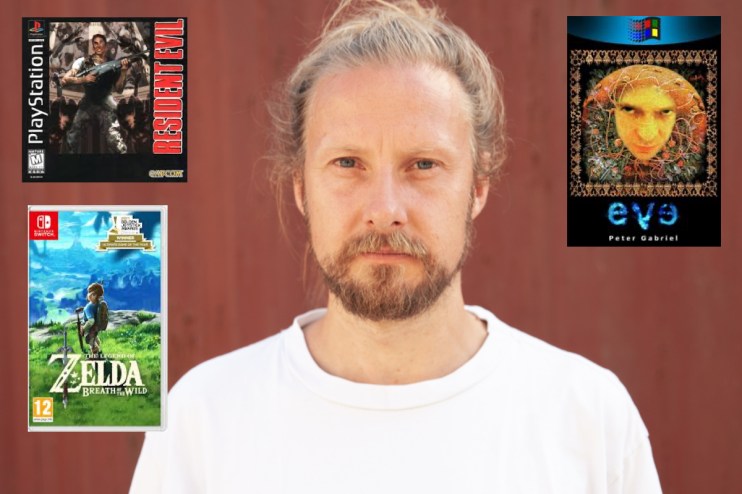
Punchdrunk is the company that put immersive theatre on the map. Since it was founded more than a quarter of a century ago, it has built a reputation for creating vast, intricate, freeflowing productions in which masked audience-members are allowed to roam freely through its spaces.
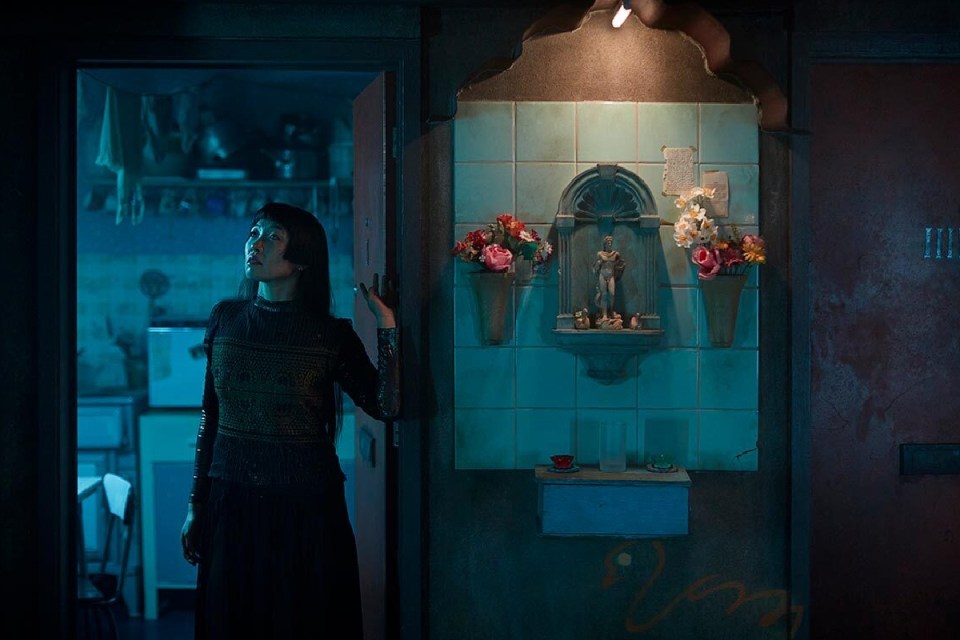
Hits include The Drowned Man (2013), Sleep No More (2003, although best known for its 2011 revival in New York) and The Burnt City (2022), all of which place dozens of actors and hundreds of audience members in aircraft hangar-sized spaces in which stories are wordlessly performed in a thousand fragments, often through the medium of dance.
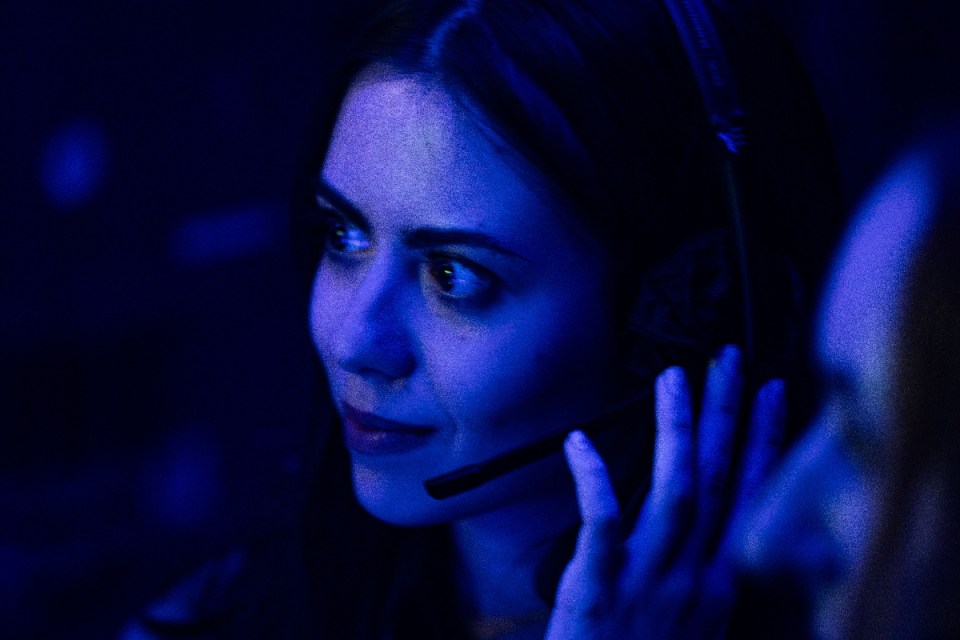
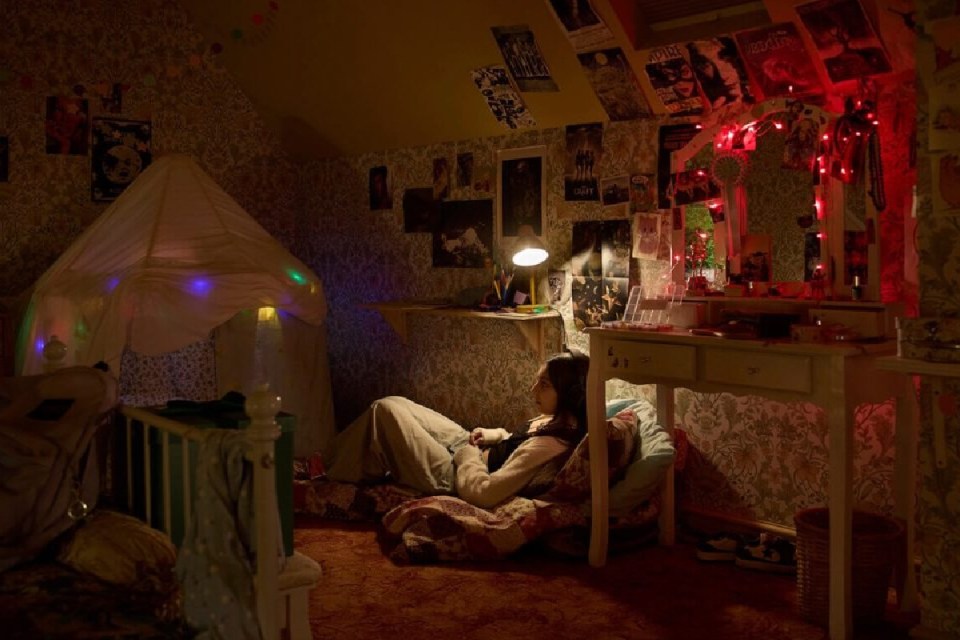
Since Punchdrunk moved into its new space in Woolwich, however, it has had a chance to experiment with smaller productions, starting with the interactive narrative experience Viola’s Room. This was followed up by Lander 23, in which teams of four players take part in what feels like a real-world video game, in which points are scored for achieving objectives and lives can be lost if you’re caught by NPC enemies.
It’s a thrilling experience, sharing the hand-crafted environment of the larger productions but injecting enough adrenaline into the experience that you find yourself cowering behind its props rather than examining them.
I caught up with Punchdrunk founder Felix Barrett to ask about the new direction and his future plans.
Lander 23 feels like a video game – was that the intention?
As soon as you give audience agency, then you’re in the realm of gaming. The word ‘immersive’ actually comes from video games. Immersion is about being completely in the world that’s been designed for you. When I look at my kids today, the main form of art they consume is video games and interactive media. I grew up watching films thinking, ‘What would my live action equivalent be?’ For the generation beneath my kids, they’re gonna say, ‘What’s the live action equivalent of a video game?’ That’s been really playing on my mind and Lander 23 is the first step along that journey of interrogation.
I wasn’t overtly inspired by video games but they’re a huge part of my life. I remember being a teenager, watching my mate play Resident Evil and just thinking, ‘This is so crazy, it’s like a film, but it’s interactive’. So I think it’s always been part of our DNA. In Sleep No More, there are loads of unlockable spaces. If you can unlock them, then you get secret content – that’s a gaming mechanic.
What we wanted to do with Lander is make that more bespoke, more tailored to the individual. Give audiences more jeopardy, give them lives that they can lose. What happens when you apply all the amazing mechanics we know from video games to a real-world story?
In the playground, kids have the most incredibly euphoric time just playing tag or 40:40. We realised it comes down to there being jeopardy, where you could be caught. It’s about experiencing that element of danger in a safe way. The world itself is so dangerous that it’s nice to have a place where it’s safe to feel that danger. We need an outlet and as adults, we very rarely get a chance to flex those muscles, because we’ve learned to suppress them.
Does the three life rule mean people might miss out?
Very rarely because as with all video games, we can bend the mechanics, so you would have to be either terrible or very disruptive. We know that sometimes people can get over excited and we don’t want to penalise those people – but you do need some mechanics to protect the experience.
How much will Lander 23 evolve?
This is just the first iteration, we’re going back into development in early May and we’re going to add a tonne more game mechanics and narrative and automation. We’ve learned so much doing this. You can see why some video games just stay in development forever!
Do you think you’ll offer more narrative-driven experiences in the future?
Story and characters are things that are yet to come in a future iteration of Lander. What we won’t do is let the audience control the narrative. Breath of the Wild is my idea of gaming perfection. It’s huge but from the start of the game, you know you need to get to the castle and save Zelda. There were myriad paths to get there, but the goal is the same. That’s my eventual goal.
What are some other Punchdrunk influences?
When I was a teenager, at the Trocadero up in town there was an Alien experience. Never went to it but I’ve heard so much about it. There was a sequence where the people taking part were in a lift. A hatch above them opened and one of the audience – who turns out to have been an actor in disguise – is dragged away by an Alien. That idea blew my mind.
In the film Aliens there’s an amazing scene where they board a drop ship to go down to the surface of the planet and Lander was almost called Drop Ship in tribute to that.
There’s also Robert Wilson, this great American theatre director, who recently passed, who was my first guru. He could create incredible environments that were heavy with atmosphere and narrative. Then there are film directors, obviously David Lynch and also Lars von Trier.
But the most influential artwork I’ve ever, ever, ever experienced was a CD ROM from the mid 90s called Eve by the musician Peter Gabriel. You start off in this muddy abyss and the planet gradually evolves as you discover the album. It’s a crazy masterpiece.
You have those formative years when you’re between 14 and 20, when you’re consuming artworks for the first time and your mind is growing. I realise I’ve got a huge responsibility to my kids to make sure I put the right things in there.
At what point does a Punchdrunk project feel alive?
Every project has what I call the exquisite agony. You dream really big at the beginning and the best bit is when you’re imagining what it could be. Then as you get closer to opening, that dream is compressed and squashed by budgets and practical reality and there’s an inevitable point when you think ‘this is never going to work’. Then you start putting your audience through the experience, see what they like, what they don’t like, what they respond to, and it starts to blossom into something, often something different to what you hoped it might be.
How do you feel about immersive theatre as a genre?
The word ‘immersive’ has been so overused it’s almost killed off whatever meaning it had. When we first started making work, we were site specific, or ‘site sympathetic’, and the immersive label
was really applied by the media. There was such an explosion in the genre that people jumped on the bandwagon and that sticker was put on anything. Now it implies something that’s actually quite poor quality, style over content.
How do you manage the finances of Punchdrunk shows?
The truth is, everything’s really expensive these days. Everyone’s feeling the cost of living rise. If you look at Broadway shows, they cost about £30m and 85 per cent of them don’t recoup their money. So while we’re still planning big shows, they’re very wage intensive so we’re also doing these smaller ones, which still have their costs but they’re a way to keep the work coming more quickly. Our dream is to make things that become tourable so we can reach audiences around the world.
We just opened a musical in Shanghai that we worked on with Riot Games and Tencent and SMG, based on the animated series Arcane. Shanghai and New York are our two home from homes.
What’s comes next?
What’s amazing about having a permanent space in Woolwich is that we can really increase our output. We’ve got three things that are pencilled and I’m actually not sure which is going to land first. I’m just desperate to try more things and fail more. Do more experiments, change our model. Discover things. Discover things we won’t do again. Discover things we will do again. Because the worst thing is to stagnate and just repeat yourself.
• Lander 23’s concludes its current mission on 10 May. Tickets priced from £38.75 can be purchased from the website here