Ministry of Sound says clubbing is back as it reopens The Box

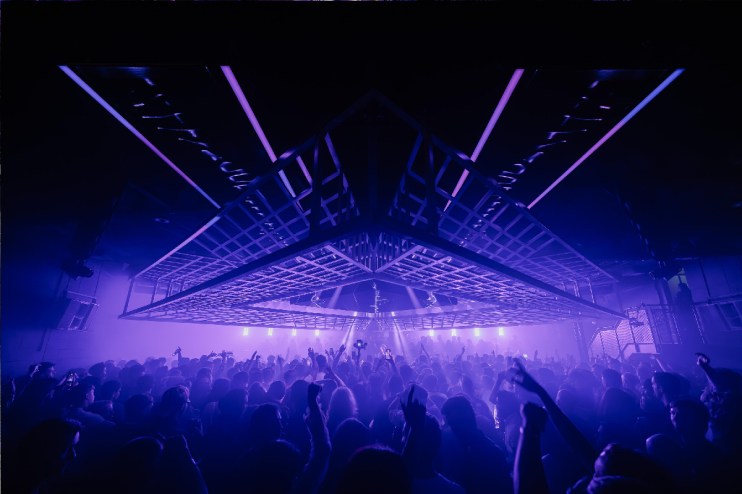
Famous London super club Ministry of Sound turns 35 this year, celebrating the occasion with the completion of a five year, multi-million pound renovation. The final piece of the puzzle: the main arena, known to generations of clubbers simply as “The Box”.
Self-described as “one of the most revered club spaces in the world” there’s something undeniably special about this room, which has housed millions of clubbers since its inception in the early 1990s. The DJ booth, once located in a lofty pedestal, is now lowered to almost the level of the crowd, with the sprung, wooden dance floor now wrapping around it. The chest-rumbling new soundsystem comes at you from every angle and there’s a slick new mezzanine overlooking the action. There are going to be some intense nights here.
Some of my earliest memories of moving to London in 2010 was catching what felt like the last hurrah of Farringdon super club Fabric, before licensing issues and financial woes saw it close its doors for a time before it was eventually saved. Those years also spelled trouble for Ministry of Sound, which fought a long and acrimonious battle with nearby property developers before guaranteeing its future in 2013.
Hospitality crisis? What hospitality crisis?
Today we’re in the grips of another crisis for the hospitality industry. According to the Night Time Industries Association (NTIA), 29 per cent of London night clubs closed between June 2020 and June 2024. More than half are expected to be lost by 2030, with the NTIA citing a “perfect storm” of post-pandemic debt, increased energy bills, rising rents and conflicts with developers.
But Caitlin McAllister, managing director at Ministry of Sound, is upbeat about the future. “When people say the scene is dying I say, well, we have 6-8,000 people through our doors every week,” she tells me. “Over the Easter holiday we will probably have 15,000 people here over the course of the week. There is an absolute want for people to go out, to dance, to connect with people and have human experiences.
“I’m seeing a scene that’s on the up – what the guys have done at XOYO is amazing, Peckham Palais is reopening… It’s a good time for the industry.”
There is a perception that part of the problem for night clubs is that Gen Z are an abstemious bunch who just aren’t interested in partying. McAllister says that’s not true. “They’re definitely not drinking less at Ministry of Sound! There was maybe a lull when the people who grew up during Covid turned 18: they didn’t have that gateway into clubbing, they couldn’t go to house parties or discover new places like older generations. But younger Gen Z folk are powering right through and having a great time.”
It’s the soundsystem, stupid
She says the customer base at Ministry of Sound spans the lifetime of the club itself: “It depends on the night and the genre of music but we see everyone from 18-year-olds to your Ministry loyalists who have been partying here since the early days. It’s great to see the new ravers who are discovering new things and new nights. I think the breadth of our customer base is part of the Ministry magic.”
The most important thing about the renovation was getting the right soundsystem (they went for a six-point KV2, if you’re interested). “The box is always going to be about the sound system above everything else,” says McAllister. “It really is next level and it sounds amazing.
“We also reconfigured the room so that the DJ booth is lower to give people a better sense of connection. The layout of the room is more conducive to dancing, because my pet hate is when you go to clubs and everybody is just dancing shoulder to shoulder. We wanted to encourage people to actually dance. People can be in that room for five or six hours so you want to be able to take them on a journey throughout the night.”
• Visit the website here for more information