London City Lionesses CEO Martin Semmens: ‘We want to be sustainable’

London City Lionesses may have made their presence felt in the Women’s Super League by spending big on star signings such as Grace Geyoro, but Michele Kang’s riches are going on much more besides.
It should probably come as no surprise that Kang applies the same attention to detail that made her a billionaire in healthcare tech to her football clubs, right down to investing in the finest turf they can lay their hands on.
“One of the most inspiring things that made me take the job with Michele was she understood very, very quickly that the way to produce a winning business in football is to invest in things that aren’t just players,” CEO Martin Semmens tells City AM.
“The first time I met her she said to me, ‘I want to have an elite training facility. I want to have the best medical research, best doctors. I want to have the best grass out there. I want to do all those things, because that will increase and improve the product, which will mean that we get more revenue, which means we can be sustainable’.
“We don’t see this in any way as a project where we’re just going to spend money on player wages and we’re going to win and everything’s fine. It’s a different project from that. The whole product has to grow, and that’s where the money’s going.”
London City aiming for top four next season
So far, so good. Kang added London City Lionesses to her portfolio of clubs, which also includes Washington Spirit in the US and OL Lyonnes in France, in December 2023.
In her first full season they won promotion to the Women’s Super League and now, while working on a new female-centric training centre, the division’s only independent team, have consolidated their status with a view to challenging a seemingly impenetrable top four next term.
“We have big ambitions; we want to be seen in that way. We don’t want to be seen to be talking about winning, being the best, because we’re not,” Semmens adds.
“We’re different because we’re independent. It doesn’t make us better than Arsenal or Chelsea women. It’s just a very different project, but we do have ambition to qualify for Europe and get in that top group, and therefore this season we needed to be able to be competitive in the league.
“We had no desire to get into a relegation battle, but we did not go into the season thinking we were going to compete with Man City at the top. What we’re really doing is building a platform to try and be competitive next year.”

Semmens: Kang wants to be proved right
That building has come at a significant cost. In their promotion season London City Lionesses made a loss of £10.6m, cushioned by a £12.5m capital injection from Kang. This year will require another investment from the American, although Semmens insists they are working towards sustainability.
“People get very, very concerned about, you know, the money that Michele might be investing in our project, but I see it slightly differently, which is, we see it as an investment towards the path where we actually might be profitable,” he says.
“We want to be sustainable not because Michele is sitting there saying, ‘I don’t want to make investments’. She wants to be sustainable to prove that she’s right about the business model.
“The physical reality about what the numbers are this year versus next year is probably less important to me than you might imagine. What’s important to me is that in five years’ time we can see the revenue coming.”
WSL tickets and TV rights ‘undervalued’
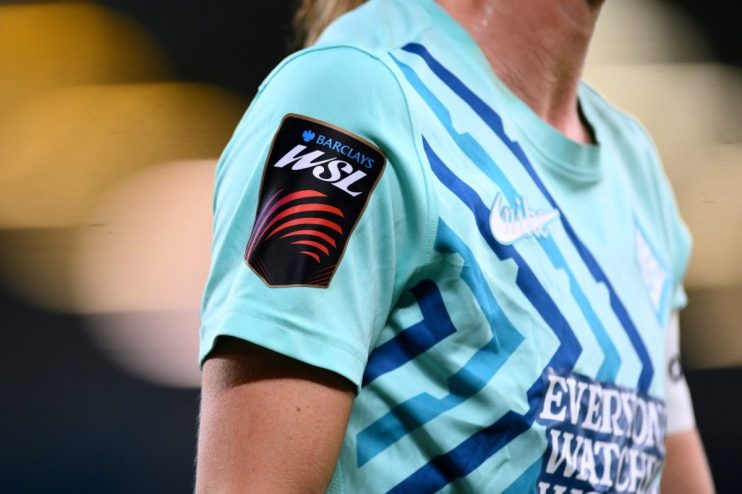
Sponsors have not been slow to back women’s football and London City Lionesses have felt the benefit through a kit deal with Nike. But Semmens believes there is room for major growth in ticketing and media rights revenues if other WSL clubs choose to invest too.
“I think that we are massively undervalued in ticket pricing, particularly where we’re probably not charging what is possible in the future. Compared to other sports and men’s football, that number is low,” he says.
“You could have the same conversation about TV revenues. To do that [grow], we’ve got to get great products out there, people watching it, but also understand what we’re selling. Part of my role is to sit on the WSL board and help them do that.
“One of the unique things about our situation in our league is we need everybody else to come with us. Part of our strategy is about being a catalyst for change and being an investor and being someone that campaigns for better facilities and better players.
“But we need Newcastle, West Ham, Manchester United, Liverpool – the teams that haven’t yet invested properly – to come with us on the journey, and then the league will be competitive and awesome, and the whole thing grows.”