Liverpool fans face biggest Premier League ticket scam risk, data shows

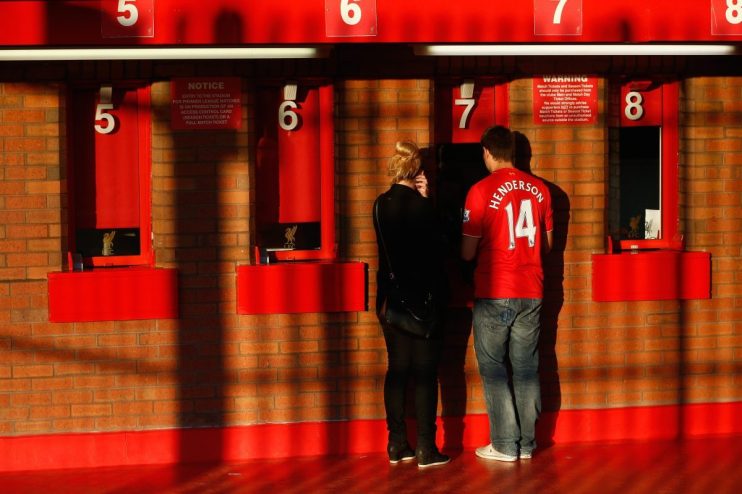
Football ticket scammers fleeced fans out of £2.5m across the last two seasons with the government issuing a warning ahead of the Premier League season.
Victims lost an average £128 through ticketing scams, according to data released by Lloyds in association with the Home Office.
It is estimated that there have been over 12,000 victims of fraud across the last two seasons, with £2.5m stolen in the process.
Fans of Liverpool are the most likely to be scammed while those who follow Arsenal, Manchester United, Chelsea and Manchester City are also likely to be targeted.
The data also cited Rangers, Celtic and Wrexham as clubs whose fans have fallen victim to scams.
Liz Ziegler, fraud prevention director at Lloyds, said: “It’s easy to get swept up in the buzz of a new season – but scammers are banking on that excitement. With demand for tickets often outstripping supply, fraudsters know they can trick fans into paying for tickets that simply don’t exist.
“Social media is the main breeding ground for ticket scams and it’s time these firms cracked down on the fraudsters lurking on their platforms.”
Premier League fans targeted
The Lloyds data suggests that fans aged 25-34 were the most common victims, with over a quarter of cases (26 per cent) impacting 18-24-year-olds.
The Premier League’s official advice is to buy directly from clubs, but there has been controversy over tickets for the English top flight across the last 12 months with key Chelsea figure Todd Boehly flogging access to Stamford Bridge for an astronomical fee.
The Premier League contacted Boehly in June over ticket re-sellers, including his involvement in Vivid Seats, which sold some tickets to Chelsea games for around £20,000. Vivid Seats’ actions are not illegal.
Minister for fraud, Lord Hanson, said of the ticketing data that: “Fraud is a ruthless crime that preys on our passions, our trust, and our excitement.
“As the nation gears up for the new football season, so too do fraudsters, waiting to take advantage of loyal fans searching for tickets. More than three quarters of football ticket scams last season started on social media, with what seem like genuine ‘first come first, served offers’ all too often designed to rip off desperate fans.
“That’s why we urge all football supporters hunting for tickets to Stop! Think Fraud. None of us want to miss a big game, but that will feel ten times worse if you’ve also handed hundreds of pounds to a fraudster for a ticket you’ll never see.”