Jamie Dimon’s iron grip on JP Morgan threatens investor rebellion

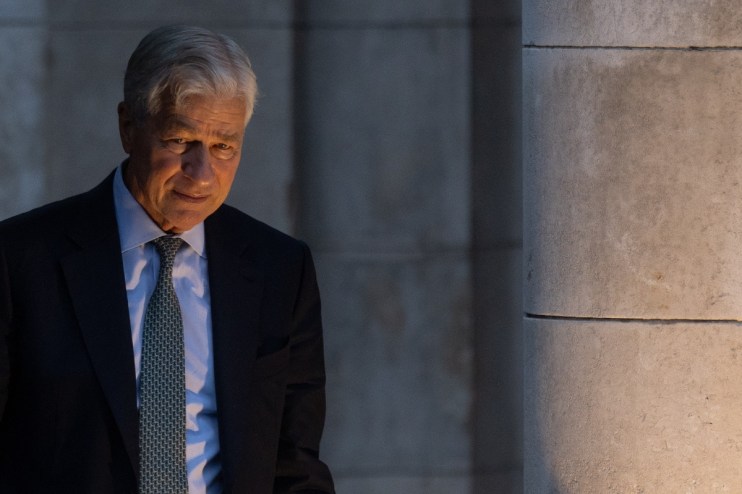
Jamie Dimon’s iron grip on JP Morgan comes under the microscope at the Wall Street giant’s annual general meeting on Tuesday as the banking exec looks to fend off an investor rebellion.
The world’s most influential banker is facing an activist offensive that targets splitting up the chief executive and chair role – two positions occupied by Dimon – “as soon as possible”.
Dimon was named as chief executive of the banking titan on December 31 2005 and chairman of the board just 12 months later. He succeeded American investment banker William B. Harrison in both cases.
But his stronghold at the bank faces a fresh threat following a manoeuvre from shareholders that has been backed by ISS and Glass Lewis, which serve as proxy advisers to the world’s biggest fund managers.
“The size and complexity of JP Morgan suggests that it is difficult for any one person to run both the company and the board,” ISS said in its shareholder report.
Meanwhile, Glass Lewis argued an independent chair would be “better able to oversee the executives of the company and set a pro-shareholder agenda.”
Dimon’s war with proxy advisors
Dimon has been a relentless critic of proxy advisors, branding them “incompetent” and their dominance “done with.” His intolerance of the firms has led to JP Morgan’s asset management arm shunning the use of them and instead using an internal AI platform – dubbed Proxy IQ – to help decide votes at the AGMs of companies in its portfolio.
But the banker – who took home $43m last year – now finds himself set to battle with the rebels. JP Morgan has written to both Glass Lewis and ISS urging them to overturn their recommendations. In the letter to Glass Lewis, the bank argues there is “no clear consensus about ideal leadership structures”.
JP Morgan has said it intends to separate the two roles after Dimon steps down, but ISS has warned there was a “clear possibility” that Dimon remains chair, which would call into question the effectiveness of any lead independent board member.
The US lending giant said its current regime “has overseen long-term, strong financial performance and continued, meaningful progress against key initiatives and effective execution on strategic priorities”.
It added: “We believe that these results are tangible evidence of the board’s commitment to shareholder interests.”
Elsewhere, activist group Shareaction is lobbying investors to vote against the re-election of Dimon on the grounds of the bank’s climate policies.
Any disruption to the meeting would mark the latest in a series of climate rows, which resulted in both Natwest and Barclays AGM’s being paused after protesters infiltrated opening remarks.