Labour leadership turmoil to cost Reeves up to £12bn

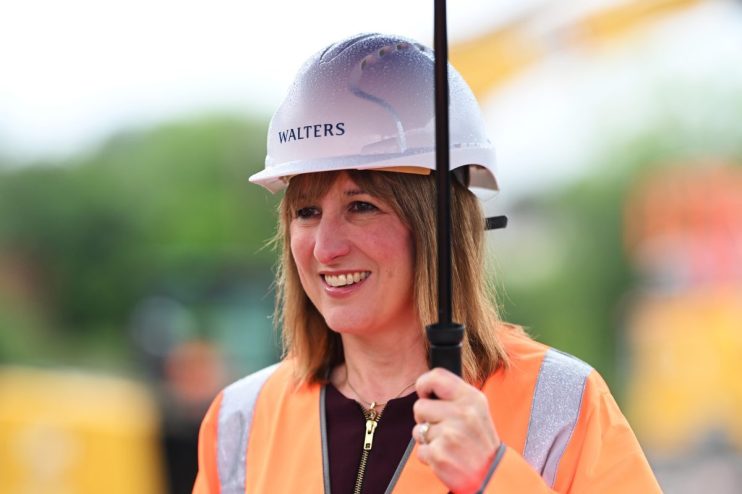
Labour’s political infighting could cost Chancellor Rachel Reeves up to £12bn, analysis by a Wall Street bank has suggested.
Hot-tempered bond markets and stunted growth – a consequence of further political instability – would knock around £12bn off the Chancellor’s fiscal headroom, Goldman Sachs warned.
While the £12bn hit to public finances would not erase Reeves’ entire £23.6bn headroom, it would leave her with less room for manoeuvre in case she wished to fund a large increase in defence spending or unveil a substantial energy support package.
The bank said that the political instability would increase uncertainty levels around fiscal tightening by the end of parliament given concerns that a leftward turn in government could unleash a borrowing spree.
It said that looser fiscal policy would require the Bank of England to hike interest rates further though it was unclear whether the Monetary Policy Committee would respond to a new political agenda.
A note from the bank said: “Our markets team expects the repricing of Gilt yields to remain sticky given upside risks to inflation and the potential for fiscal deterioration from higher rates.
“Our strategists have argued that political risk presents asymmetric downside risks to sterling in the near-term but see this as more likely to materialise as bouts of weakness rather than a sustained trend.”
Labour figures deal with fiscal rules
The bank’s warning came as JP Morgan chief Jamie Dimon warned that he could withdraw a £3bn investment project for new offices in London if a new government turned “hostile” to the banking sector.
Banks have largely been wary of turmoil in Westminster, with many fearing that the Labour government was at risk of surrendering to the leftwing forces in the party.
Most City analysts warned that bond traders were wary of comments made by Andy Burnham and his supporters around fiscal stability.
Paula Barker, the Labour member for Liverpool Wavertree, said the markets would have to “fall in line” with Burnham and that investors would view the UK as the “the best place to be” if the government unveiled “progressive policies that do speak to our communities”.
Burnham attempted to ease perceptions of his fiscal promiscuity as he assured traders he would stick to clear rules.
In a scathing assessment of the Labour government’s agenda, former deputy prime minister Angela Rayner also said sweeping reforms were possible to be made within the framework of current fiscal rules set by Reeves.
Last year’s Budget was mired by continual speculation over tax rises and welfare spending increases.
This year’s Budget could leave investors worried as economists have suggested that further weeks of disruption across the Strait of Hormuz could plunge the UK economy into a recession.