How do brands pick the right sport sponsorships?

Partnerships and deals are core elements to the sports sector, so how do brands pick the right sponsorships?
It is easy to get lost in the seemingly endless numbers of sponsors littering sport. From the tiniest piece of Formula 1 carbon crowded with brand names to the vast displays plastered across some of the country’s biggest and best stadiums, sponsors are everywhere.
But how do these brands decide what to sponsor and when, and what do they get out of it?
It’s rather like a corporate dating app.
For some brands it is about finding a long-term partnership which lasts for years. For others it is about making a splash in the short-term, before moving on to other priorities.
Sponsorship choices
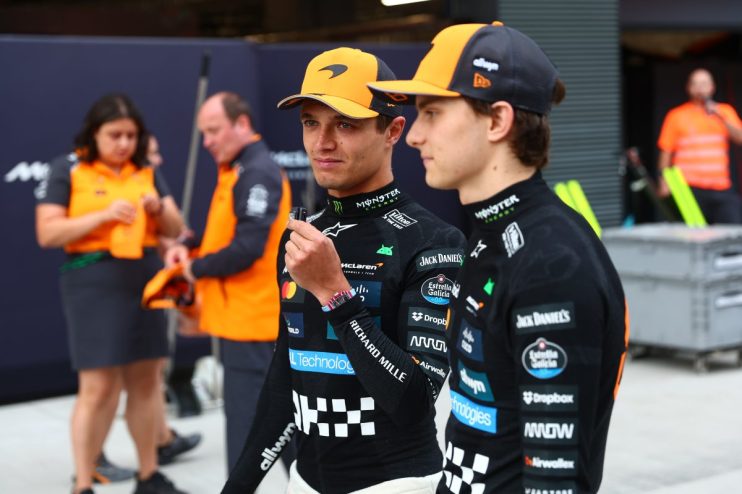
Airwallex’s Jon Stona admits “it can be tempting at times to jump on the bandwagon” of flashy sport sponsorship, but insists his firm’s associations with Formula 1 team McLaren and Premier League club Arsenal are “fairly multifaceted, unlike a billboard that just sits there and goes away after a certain period”.
“We did a fairly large screening,” the Singaporean fintech unicorn’s vice president of global marketing added. “We looked at everything from Premier League football and Formula 1 to basketball and even table tennis.
“What we really liked about Formula 1 was the whole globality of it. For us we’re about international expansion and being an international brand.
“And we did specifically want to work with a London-based football club for practical reasons. London is a big financial hub, but also from a corporate hospitality standpoint, we have a lot of customers that are based in London as well.”
Partnerships rely on synergy and a working relationship, with control being ceded on both sides. Sean Connell of The Sponsor says “the process of aligning your brand with another entity carries with it inherent risk”, adding that “sport is driven by athletes and celebrities, highly visible figures who can generate headlines for the wrong reasons. That makes crisis planning and contractual red lines essential.”
Concerns
Connell cites Cazoo as a brand who have shown how difficult it is to get the marriage of partnership and spend right. The car retailer was successful in building brand awareness, he says, but “failed to engage car buyers” in the long term, falling into the “commercial risk” of wasted budget.
That’s not something Stona and Airwallex fear, it seems, citing an open and honest dialogue with McLaren about their deal. “We never say sponsor, we always say we’re a partner to McLaren, because they’re helping us grow our brand,” he says.
“Sixty five per cent of the folks that we surveyed, among our target audience, said that the McLaren sponsorship will make them trust AirWallex more and 67 per cent said that they would be more likely to choose us for their payment needs based on the sponsorship.”
Deals in sports like Formula 1 and the Premier League are top tier, while other sports can allow brands to have lower entry price points.
Professor Rob Wison states that “brands don’t simply pick sponsors”, adding that the “right function and fit can amplify both parties”.
But Connell and Prof Wilson issue stark warnings, whatever level a brand chooses to enter the sector at.
“Sponsorship may appear simple,” he says, “but it’s easy to get wrong. Only detailed analysis of reputation, audience, social impact, and possible risks turns it into a long-term driver of business growth.”
Adds Wilson: “The wrong fit risks confusion, creates mistrust and ultimately leads to lost credibility.”