Exclusive: RFU in talks over back of shirt and short sponsor deals

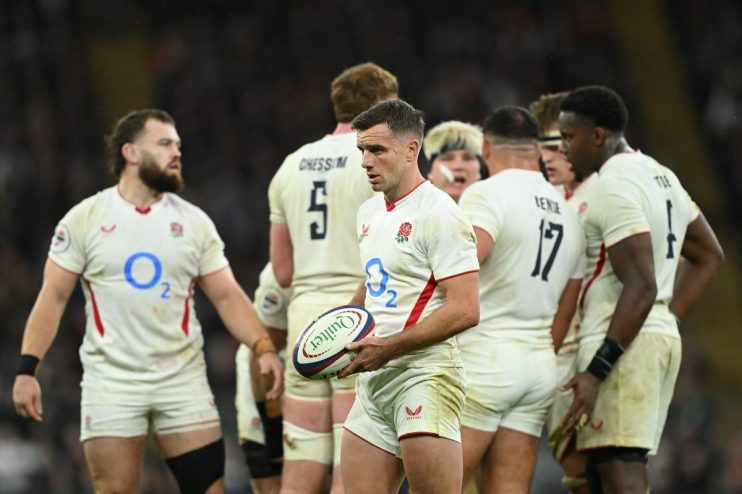
The question that hangs over rugby union always seems to be a financial one: how can a sport with successful World Cups, a strong women’s game and a generally affluent audience struggle so much to commercialise itself effectively? That doesn’t seem to be an issue for England and its governing body, the Rugby Football Union.
By far the richest union in the world, with annual revenues of £225m which dwarf the next best of £125m in France, the RFU packs out its 82,000-capacity stadium at a ticket price other nations couldn’t even contemplate.
The organisation never, however, manages to turn a significant profit, with £4m in their 2022-23 accounts their best performance in the last five years. And in 2023-24 a loss of around £40m, which included a bumper bonus for chief executive Bill Sweeney, caused a major stir. You have to go back to 2018-19 to find an eight-figure profit.
But in the last 12 months the RFU has been on a commercial blitz, bringing in nine new sponsors – including ditching Bollinger for English sparkling wine brand Nyetimber – and signing a new front-of-shirt deal with Virgin Media O2. Its decade-long, £100m stadium naming rights deal with insurance giant Allianz, meanwhile, has set the bar for commercialisation across rugby.
RFU in the sponsor market
And chief commercial officer Claudio Borges tells City AM the RFU isn’t done yet, with both the back of shirt and back of shorts sponsorships up for grabs.
“A lot of the conversations that we’re having is about the back of the shirt,” he says. “That is a very valuable asset, especially around media exposure, but that comes with a range of digital rights, a range of community activations and different ways that we’re trying to get brands to help us achieve our outcomes.
“Of course the money is important because that helps us reinvest back into the game, but it’s thinking about the marketing power of these brands.
“There are [opportunities] around the back of shorts [and] we’ll be looking more in terms of the performance space and what that might be able to offer when it comes to training and our training grounds.”
City AM understands that Lloyds is one of the firms to have discussed these sponsorship opportunities, while in 2023 the RFU turned down a lucrative ExxonMobil approach. Borges avoids specifics, instead saying “we’ve had conversations with a number of banks”.
Moving around
Speaking frankly, the former City Football Group figure dismisses the idea of England introducing dynamic ticket pricing in the near future while stressing the importance of corporate hospitality in the new masterplan, which will see the arena undergo a £650m upgrade.
Borges, too, ruled out potential legal action with local authorities over the RFU’s battle to host more concerts at the stadium; a plan that would aid the redevelopment of the home of English rugby amid the limited number of matches hosted in Twickenham each year.
Chief Sweeney had mooted the idea of moving English rugby fixtures to Birmingham and Milton Keynes, but that appears to be off the table, while the wider rugby diaspora is playing more matches in the US and contemplating hosting the newly formed Nations Championship finals in Qatar after its inaugural edition takes place at the Allianz Stadium this autumn.
“There’s still a huge potential when you look at places like the US,” Borges says when asked about an overseas strategy. “The best thing that we can do is actually have a presence there. I do definitely value this idea of having a finals weekend in different destinations.”
England matches overseas?
Would England take a home game overseas themselves, though?
“Never say never,” Borges insists, “but we do have very clear parameters in terms of what we would like to deliver here at the Allianz Stadium.
“We do take the Red Roses matches around England [but] there are financial upsides for us to host matches here at the Allianz Stadium and we need to be able to generate that revenue to reinvest back into the game. But I will never say never.”
The RFU is a financial behemoth of the sport, raking in cash like no other governing body is able to do. Its investment in the game is admirable, but it continues to teeter on the thin line between being in the red and the black.
Commercialising further is the only way sustainable profits can be achieved, and recognising that is key. But many fans will hate the almost mercenary approach necessary to keep a game with financial issues afloat. Striking that balance between sustainability and fan apathy – all while a team cannot guarantee its 100 per cent win record – is the real challenge.