Wetherspoon shares tumble as profit disappoints

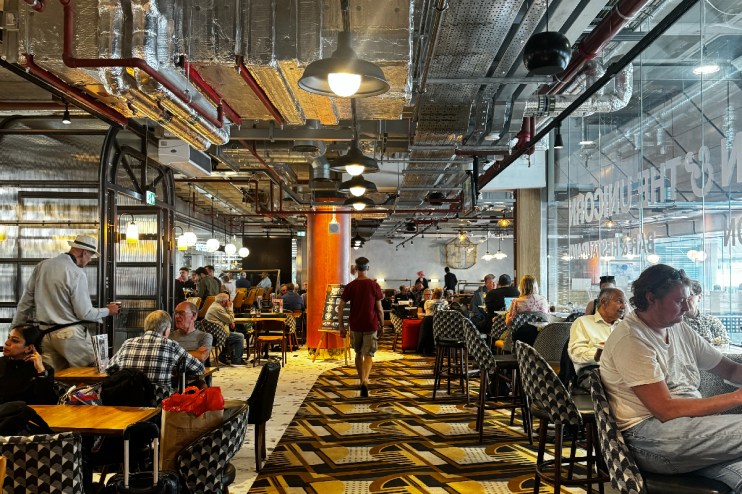
Shares in the country’s best-known pub chain have tumbled after profit failed to meet expectations even after they were downgraded.
Pre-tax profit at JD Wetherspoon fell by 32 per cent to £22m for the first half of this year, and operating profit fell 18 per cent to £53m, below analyst expectations of an eight per cent fall to £60m.
The stock fell ten per cent on Friday’s open, to 555p, leaving it down 25 per cent in the year so far.
This is despite like-for-like sales increasing five per cent, outperforming the industry trend, which saw a 0.2 per cent slump in sales in February as hospitality battled high costs and wet weather.
Chairman Tim Martin said increases to national insurance and minimum wage will cost £60m each year, along with the £7m cost of a green energy levy.
The chairman said: “These cost increases will undoubtedly add to underlying inflation in the UK economy, although Wetherspoon, as always, will endeavour to keep price increases to a minimum.
“There is clearly considerable pressure on consumer finances, combined with higher taxes, wages and energy costs for the hospitality industry.”
Wetherspoon’s revenue grew by 5.7 per cent to £1bn and the interim dividend remained unchanged at 4p per share.
The pub chain downgraded its forecasts earlier this year – citing £45m in extra costs, though this figure now appears to have grown.
Mark Crouch, market analyst at eToro, said: “Wetherspoon is demonstrating resilience, but like many in the sector, is caught between maintaining competitive pricing and absorbing significant cost inflation.
“These pressures now look almost certain to intensify as energy price shocks emerging from the Middle East feed through into the broader economy.”
High energy bills could ‘make customers poorer’
Martin warned last week that high energy costs as a result of the war in Iran are likely to hit pubs, telling The Telegraph higher bills “make customers poorer and also push up the cost for suppliers”.
Rising energy prices are expected to hit pubs when they come to redraw their contracts with suppliers, although Wetherspoon is on a fixed-price contract until 2029 – far longer than its competitors.
Small and independent pubs, especially those which are off-grid or rely on oil to heat their buildings, are especially vulnerable to rising oil prices due to supply blockages in the Middle East, according to trade body UKHospitality.
Chief executive of pub chain Shepherd Neame told City AM this week he is bracing for the war to push up energy prices.
Recent fears around energy bills add to a swathe of cost pressures which landlords say are making conditions almost impossible for pubs.
Pub owners said a £300m emergency business rates package – unveiled after reforms to the tax caused widespread backlash – was merely a “sticking plaster” and hospitality firms have raised the alarm over rising employment costs.
Cost pressures on pubs are fraying tensions between sector competitors, as Martin hit out earlier this week at rival Greene King for the supposed illogical nature of its campaign on business rates, saying: “keep it simple, stupid.”
Greene King announced earlier this week it is to sell up to 150 pubs and move another 150 into a leased, tenanted or franchised model, as it looks to streamline its operations in the face of a “dynamic” industry environment.
Wetherspoon, which was founded in 1979, operates around 800 pubs and hotels across the UK and Ireland.