The keystone: New real estate law to revolutionise sector, attract FDI, and accelerate Vision 2030

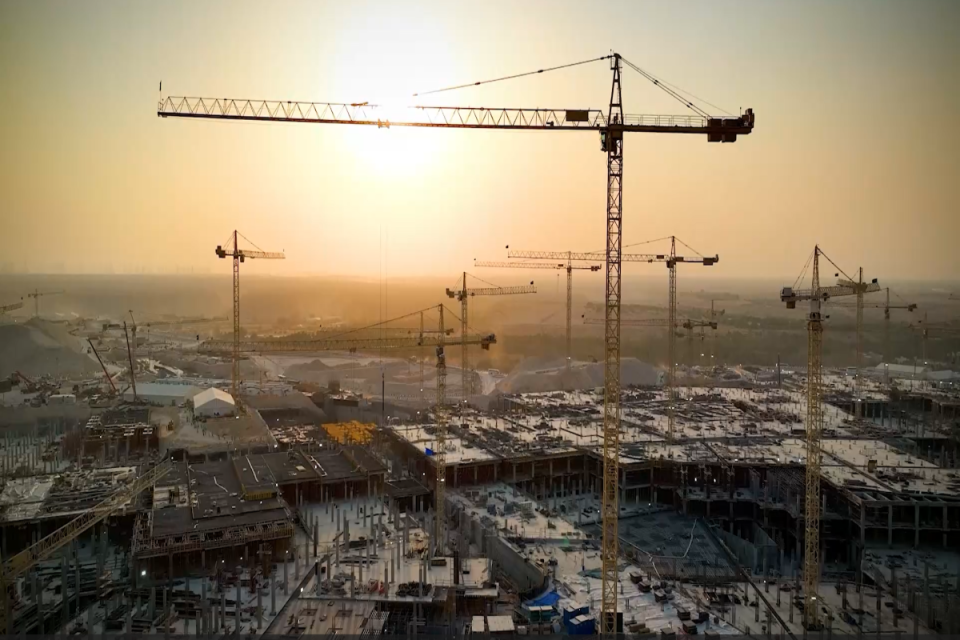
Construction site at Diriyah, The City of Earth, the over $63 billion, 14 square kilometre giga-project on the outskirts of Riyadh, where 100,000 people will live and work
In a move that decisively signals a new era for global capital, Saudi Arabia has recently approved a landmark law allowing foreign individuals and entities whether residents or abroad to own and invest in real estate within specially designated zones across the Kingdom.
Effective January 2026, the new law will replace a patchwork of restrictive licences and exemptions that have historically meant the only real pathway for foreign investors has been indirect – through Capital Market Authority-approved real estate investment funds – which allow participation in the sector, but not actual ownership or access to residential markets.
Although the details and zoning framework are yet to be published, the designated zones are expected to include some of the major projects in the Kingdom and high-demand parts of major cities such as Riyadh and Jeddah, a logical next step in attracting foreign direct investment to boost supply and liquidity and ultimately, stimulate urban development as part of Vision 2030.
The case for investing in Saudi Arabian real estate is clear. The Kingdom is in growth mode, the population is young (over 60% are under 30 years old) and rapidly growing with a high disposable income, and government policies are dedicated to increasing home ownership.
The new law will have a multiplier effect on key parts of the economy and will boost Vision 2030 Saudisation, net job growth, FDI and private-sector expansion targets.
Sectors that will immediately benefit include construction, banking (the mortgage market in particular), insurance (particularly homeowner and fire insurance), and home furnishings. Other beneficiaries will include property consultants, real estate brokerages, architects and legal services.

Concept of Riyadh’s New Murabba downtown giga-project, which covers an area of 19 square kilometres and is set to accommodate hundreds of thousands of residents
According to Abdullah Alhammad, CEO of the Real Estate General Authority (REGA), the real estate and construction sectors contributed approximately 12% to Saudi GDP in 2024, a doubling of their 5.9% share in 2023. The new law could push this figure higher, and as investment flows in, the wider non-oil economy is also projected to accelerate, increasing overall GDP growth.
The new law enhances Saudi Arabia’s appeal to global talent. Resident expats alone comprise over 40% of the population of 35 million and home ownership and property investment, particularly if linked to residency status, will give them security and a stake in the Kingdom, likely extending their average stay and deepening their long-term commitment as its sunrise industries scale up.
In addition, as entrepreneurs and high-net-worth families from all over the world decide to relocate their businesses to the Kingdom, the demand for managerial and professional executive talent will increase, attracting young Saudis to urban centres.
As Saudis, expats and foreign investors migrate to new urban developments, there will be greater impetus to the development of the Kingdom’s infrastructure. The new law also creates new pathways for international investors to participate in such projects.
Saudi Arabia is not merely liberalising its real estate market: it is institutionalising it. The social contract is deepening: under Vision 2030, expats and foreign investors are not merely temporary guests, but invited stakeholders. And real estate is not just property: it is an invitation to partner in progress.
As the law nears implementation in January 2026, REGA is finalising the necessary executive regulations, which will be published through the “Istitlaa” public consultation platform. This is an opportunity to engage the public, consult with the private sector, and develop a zoning framework that achieves Saudi Arabia’s goals of attracting capital and preserving affordability. We look forward to keeping you updated.
This article is a preview of a detailed report on the Inside Saudi website, www.insidesaudi.media. Content for informational purposes only and not offered as legal or professional advice for any specific matter.