Soaring petrol prices and Devil Wears Prada 2 help consumer spending return to growth

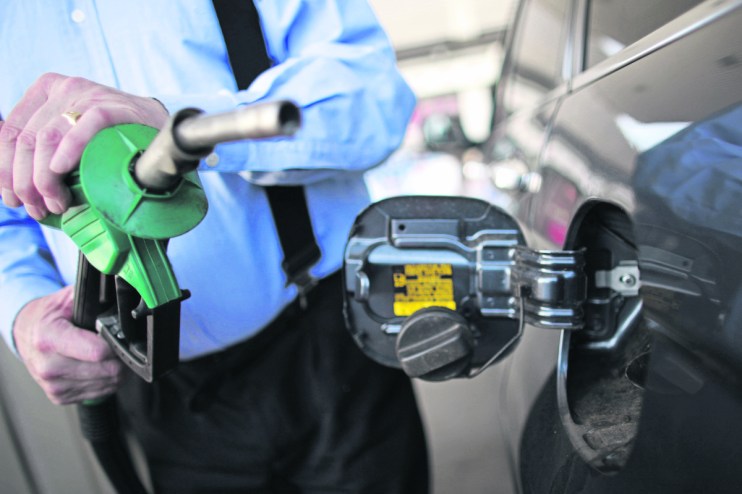
Soaring fuel prices and box office hits helped consumer spending return to growth in May, according to fresh data from Barclays.
Consumer card spending was up 0.8 per cent year-on-year last month, following a 0.1 per cent dip in April.
The rise came as essential spending jumped 0.7 per cent, led by a near 12 per cent spike in fuel spending as Brits were faced with higher prices at the pump as oil prices soared.
Brent crude – the international benchmark for oil prices – held above the $110 mark for extended periods throughout May before sliding under three digits in the final days of the month following a fragile peace deal between the US and Iran.
The average price of unleaded petrol rose to 158.52p a litre in May, marking its highest level since the start of the Iran war, according to the RAC. This came above May’s previous peak of 158.31p.
Julien Lafargue, chief market strategist at Barclays Private Bank and Wealth Management, said: “May’s data offers an early sign that household demand may be stabilising, but the macro backdrop remains finely balanced.
“The key question now is whether improving confidence can be sustained, particularly if inflation remains sticky and interest rates trend higher.”
Entertainment spending lifted by Devil Wears Prada sequel
Non-essential spending enjoyed a return to growth, a 0.9 per cent jump, following a 0.3 per cent contraction.
Entertainment spending was cited as a key driver, swinging to a 5.8 per cent increase from a 0.6 per cent decline in April, on the back of box-office success with The Devil Wears Prada 2, which grossed over $663m worldwide.
But Brits continued to opt to spend their free time at home, with travel spending falling 5.8 per cent – its third consecutive month of decline.
Airline spending took a 12.9 per cent hit as the industry continues to grapple with the geopolitical climate.
The International Air Transport Association (IATA) – the trade association for the world’s airlines that represents more than 370 members – has warned firms will have to spend an extra $100bn on jet fuel this year with fares “inevitably” set to rise to cover the bill.
“High oil prices will inevitably mean higher ticket prices,” IATA’s director general Willie Walsh said.
“There’s just no way to avoid that,” he added.