‘And so it begins’ – Mortgage lenders kick rates back up amid Middle East crisis

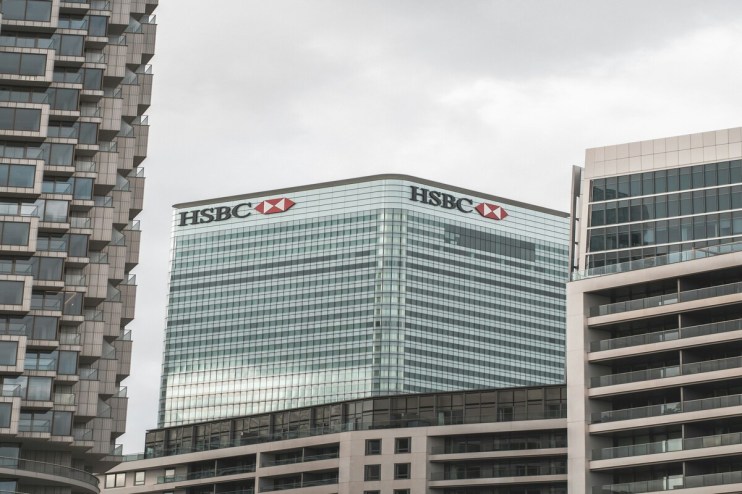
A number of mortgage lenders are kicking the their rates back up, with more expected to follow, as market conditions remain volatile due to the unfolding crisis in the Middle East.
HSBC UK has said it will increase some of its mortgage rates for first-time buyers, movers and re-mortgagers and the UK’s largest building society, Nationwide, also said it would hike rates by 0.25 per cent from Friday. Meanwhile, Coventry Building Society is also set to increase rates on Monday.
The changes come amid a spike in swap rates, which serve as a primary benchmark for pricing fixed-rate mortgages and reflect market expectations for future interest rates over 2, 5, or 10-year terms.
Following the volatility in energy prices over the last week, analysts have bet on a bump in inflation, which is set to dampen the hopes of the Bank of England accelerating its interest rate cutting cycle this year.
The National Institute for Economic and Social Research (NIESR) forecast a temporary rise in oil prices to $100 per barrel could add as much as 0.3 percentage points to inflation, whilst a year-long shock could push inflation by 0.7 points.
Justin Moy, managing director at EHF Mortgages, said the rate rises now emerging were inevitable: “And so it begins. After the quite sizeable swap rate increases earlier in the week, rate hikes were always on the cards and now they’re starting to be announced.
Are mortgage rate increases a blip or shift?
On Thursday, the average two-year fixed-rate homeowner mortgage rate had ticked up to 4.83 per cent, up from 4.82 per cent on Wednesday. Meanwhile the five-year fixed-rate, tipped to 4.95 per cent from 4.94 per cent.
Borrowing and savings specialists Moneyfacts said earlier this week that “several lenders have pushed pause on planned rate cuts” in a move that ruined the hopes of millions scouting for cheaper loans.
The Bank of England was tipped to cut interest rates at this months meetings with markets pricing in chances of a reduction at 80 per cent ahead of the outbreak of the conflict. Since then, chances have tumbled to under 20 per cent.
The jitters in market have also kept the UK’s borrowing costs elevated, with the 10-year yield on UK bonds – a key benchmark on the government’s price of borrowing – reaching well over 4.6 per cent.
“For weeks, the direction felt obvious: rates were falling, a Bank of England cut looked nailed on and everyone got comfortable,” Dariusz Karpowicz, director at Albion Financial Advice.
“Then geopolitical risk reminded us that comfort is temporary. Coventry and HSBC repricing is likely the first domino, not the last. The real question is whether this is a blip or a shift.”