London house prices jump by £3k as market slows

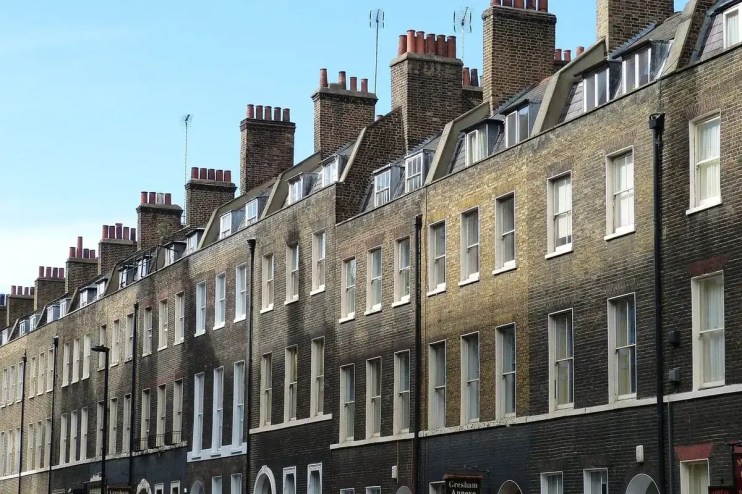
The average asking price of a home in Britain rose by nearly £3,000 in April, but London’s property market is showing clear signs of strain as higher mortgage rates and a surge in supply curb momentum.
New figures from Rightmove show asking prices increased by 0.8 per cent month on month to £373,971, a £2,929 rise, but this was below the usual April increase of 1.2 per cent, pointing to a softer spring market.
In the capital, conditions are more challenging, where the number of homes for sale has hit an 11-year high for this time of year, intensifying competition and forcing sellers to rein in expectations.
Colleen Babcock, property expert at Rightmove, said: “With mortgage rates remaining elevated due to the war in Iran, it’s not a surprise that price growth is proving strongest in parts of the market less exposed to higher borrowing costs”.
London market splits as mortgage rates bite
London’s housing market is increasingly divided between resilient family homes and struggling flats.
Larger properties, particularly those with four bedrooms or more, are still seeing demand, often from cash buyers who are less sensitive to higher mortgage rates.
But flats, especially leasehold properties, are facing much weaker demand.
Meanwhile, homes bought in the past decade are being resold at lower prices, with flats in London down by more than 25 per cent on average over that period, and by over 40 per cent in some central areas.
Marc von Grundherr, director at Benham and Reeves, said: “The combination of heightened geopolitical uncertainty and the increase in mortgage rates has understandably caused some buyers to pause for thought.”
Polly Ogden Duffy, managing director at John D Wood & Co, added: “With an increased supply of homes – particularly flats lingering from 2025 – buyers have more choice and are less inclined to engage with overpriced properties.”
On the other hand, family homes in sought-after areas, particularly those near top schools, are still performing well, with demand in some cases outstripping supply.
The biggest headwind remains mortgage rates, which have jumped in recent weeks.
The average two-year fixed rate has climbed to around 5.9 per cent, up sharply since early March, as markets reacted to inflation risks linked to the Iran conflict and rising energy prices.
Matt Smith, mortgage expert at Rightmove, said: “At the start of the year there was growing optimism that the Bank of England base rate would continue to fall, but that picture has changed”.
Although some lenders have started cutting rates again in recent days, borrowing costs remain high, limiting affordability, particularly for first-time buyers.
At the same time, rental pressures are returning. Data from Hamptons shows average rents in London rose 2.2 per cent year-on-year to £2,305 per month in March, as tenant demand picks up.