A £3bn reckoning that will reshape buy now, pay later


Buy now, pay later providers are cheering the arrival of new regulations.In this week’s column Samuel Norman considers how the industry could be reshaped.
Five years ago, the government revealed plans to crack down on the buy now, pay later market after an industry review found financial risks posed by the ease with which consumers could borrow.
And (nearly) five Prime Ministers later, the industry finally faces its £3bn reckoning with providers dragged into the auspices of the Financial Conduct Authority (FCA) from 15 July.
The UK’s buy now, pay later (BNPL) market has ballooned, from as little as £60m in 2017 to as much as £13bn in the last year, according to the Treasury.
Industry veterans Klarna, Zilch and Clearpay are toasting the arrival of the new framework – even as it comes with a heavy price tag.
“The transition will require significant investment from providers,” Damien Burke, senior director of regulatory practice at Broadstone, told City AM.
The FCA estimates a bill for BNPL providers of £1.4bn, made up of a combination of lower purchase volumes and the need to pump cash into new systems.
Around £929m of that is set to come from lost profits due to tougher creditworthiness checks and £204m from direct compliance costs.
Revenue collected from late fees is expected to drop by £243m, with affordability checks set to reduce the incidence of missed payments.
“More robust checks and additional disclosures are inevitably likely to introduce greater friction into the borrowing process,” Burke said.
Merchants are in line for a similar-sized hit, though this is expected to stem solely from lost profits. Retailers from Asos and Boohoo – not to mention marketplaces for big-ticket tech goods like Argos and Curry – could feel the brunt of this as more consumers are tipped to abandon their purchases in the face of greater checks.
The regulator has been unequivocal in its expectations that the new rules would cut transaction volumes in the short-term.
Financial inclusion group Fair4All Finance projected the stricter checks would exclude up to 30 per cent of the nearly 11m that use BNPL services in the UK.
Curiously, the sector’s heavyweights aren’t bracing for impact.
Klarna, Zilch, Clearpay shrug off clampdown
A spokesperson for Klarna said robust regulation that gives consumers “added confidence and strengthens their access to protections is a good thing”.
Philip Belamant, co-founder of Zilch, described the framework as a “significant moment” whilst Clearpay said it “would help a consistent operating environment and clear standards for all providers”.
Prior to the new rules, Zilch was fully-authorised as a credit lender after securing its consumer credit licence in 2020. Klarna was officially authorised by the watchdog to provide regulated payment and credit services in November 2023 and operated under an EU banking licence prior.

Clearpay has claimed its system is “safe by design” with immediate account suspension upon missed payments and capped late fees.
But the new protocol will bring a wave of reforms for firms to freshen up on, including making them accountable to the Financial Ombudsman Service for consumer disputes. More thorough financial checks will require firms to peer into consumers’ incomes, spending habits and existing financial commitments to ensure they can manage new debts.
Top bosses will also be brought under the watchdog’s senior managers regime, which makes leaders individually accountable for conduct and subject to fines if rules are breached.
Smaller fintechs to feel the pinch
The heaviest burden may instead fall on the shoulders of the smaller firms, which lack the resources and scale.
“Smaller fintechs may struggle with the costs of authorisation and ongoing compliance, paving the way for the bigger players to remain front and centre,” Zoe Morton, consulting director at RSM UK, told City AM.
The tightened environment could reshape the players in the industry, Morton said, with traditional lenders “who are well versed” gaining ground whilst smaller firms make “some exits from the market”.
While clearing out the small-fry gives the incumbents a reason to cheer, a looming threat of the high-street’s banking juggernauts, who suddenly feel emboldened by the newly leveled playing field, could be around the corner.
“Banks in the UK could see this as a new point of entry,” Morton said, adding the new checks could put them “into a good position to diversify”.
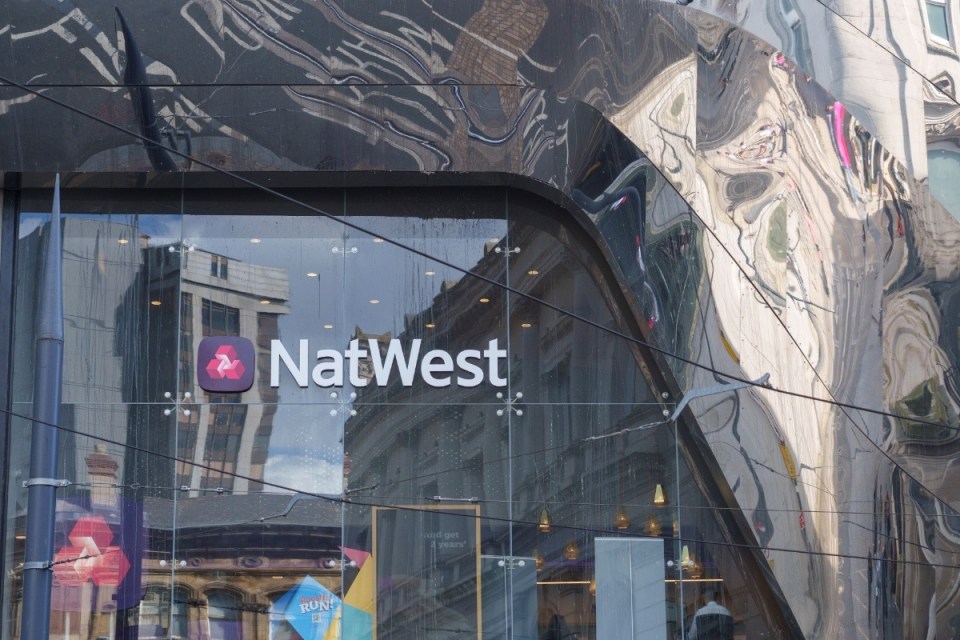
Natwest tried to crack the BNPL market with a product launch in 2022, but mothballed plans less than two years later.
Lloyds has a tie-up with Newday’s credit platform Newpay, which ostensibly serves as a buy now, pay later arrangement but operates on a bank-grade credit facility and behaves like a digital credit card.
“We could see some M&A activity in the form of market consolidation if some of the smaller players in the market are unable to keep up with the new regulatory requirements,” Morton said.
Neobanks Monzo and Revolut have parked their tanks on the BNPL lawn. Monzo launched its own pay later service, ‘Flex,’ while Revolut made its first swing in the Irish market.
The new rulebook could lay the groundwork for quicker expansions for the digital banks, which are setting their sights on becoming the all-in-one service.
And in doing so, BNPL providers may find they have swapped out their old market rivals for ones with much deeper pockets.