Government to lower voting age to 16 and tighten donation rules

The government will lower the voting age to 16 at the next election and tighten checks on political donations in sweeping reforms aimed at “restoring trust” in democracy and elections.
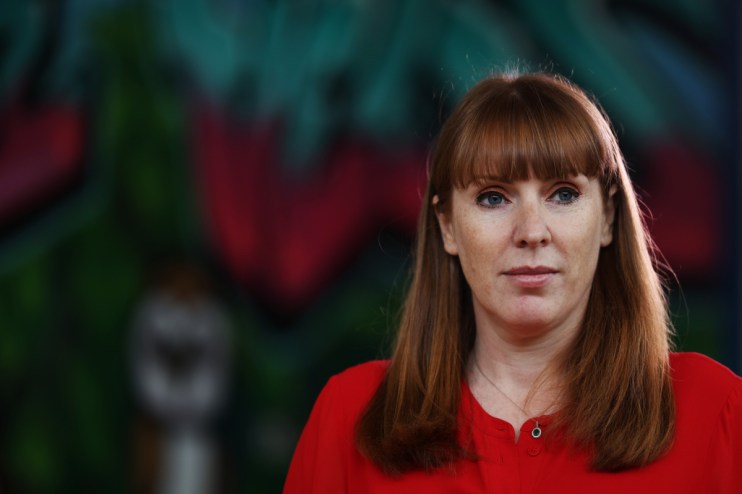
In democratic changes led by deputy prime minister Angela Rayner, the government said it would tighten rules on foreign donations to political parties, which it said was a “threat” to UK democracy.
It will establish ‘Know-Your-Donor’ laws to prevent foreign interference and take sources of funding into account.
The Electoral Commission will be given a “duty” to set out reforms on foreign donations while further controls on company donations and cash offered by unincorporated organisations, which internal research suggests make up around five per cent of donations, will also see loopholes closed.
The cash threshold for when donors have to disclose ownership and source of funding will be lowered to £500 while further transparency checks will be introduced, with “shell companies” to be prevented from making political donations to parties.
Several reports suggested X owner Elon Musk was considering handing £1m over to Nigel Farage’s Reform UK before the next election.
Relations between Farage and Musk cooled after the tech billionaire and former Donald Trump ally called for the Reform leader to be replaced.
Voting age lowered to 16
As part of wider changes to the voting system, the government will seek to align rules on national elections with Scotland and Wales where 16 year olds can go to the polls.
The government said the minimum age to stand as a candidate will remain at 18 years while electoral registration will begin at 14.
It will also look to consolidate rules on the use of digital IDs at polling stations.
Polling suggests that lowering the voting age could benefit left-wing parties such as the Greens, as well as Nigel Farage’s Reform.
More in Common said there had been a surge in the share of young people who would vote for Reform, with around 16 per cent of all 18 to 24 year olds saying they would consider backing Farage’s party.
Research by the pollster last month separately suggested that over half of Brits opposed lowering the voting age, with most Conservative and Reform voters (84 per cent each) believing Labour was introducing the policy to “benefit” themselves in elections.
A recent ITV survey also found that young people were less likely to approve of Keir Starmer than Jeremy Corbyn, who is planning to form a party with other former Labour MPs and comrades.
Labour’s proposals, which are opposed by Conservatives, are expected to be put before parliament in the coming months, with MPs set for a summer recess in a week’s time.
In a foreword to the policy paper published by the government on Thursday, Rayner said the government was looking at “futureproofing our democracy, securing our elections and upholding our values, and protecting our elections against interference”.
“The strength of our democracy is determined by how much of the country participates, and the faith they have in the results. With these values in mind, we will make our democracy fit for the future,” she added.
University of Exeter researcher Dr Stuart Fox pointed out that there was no evidence lowering the voting age would encourage younger people to vote in their first elections, with most 16 and 17-year-olds not turning out to vote in Welsh elections.