Ed Miliband rules out zonal energy pricing

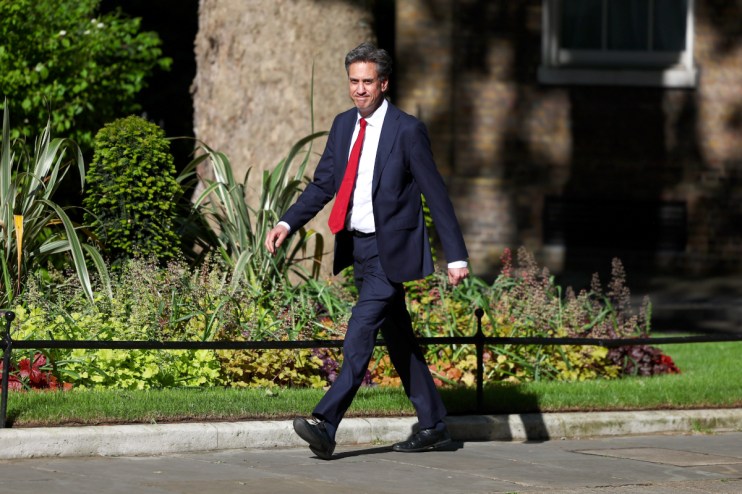
The UK government has ruled out the introduction of a zonal energy pricing system that would have seen regions closer to renewable energy sources likelier to see lower prices.
Ed Miliband’s Department for Energy Security and Net Zero has opted to reform the existing system by reviewing the way transmission charges work and incentivising the private sector to invest in renewable energy in areas of higher demand.
Consultation on a zonal energy pricing system lasted three years. Greg Jackson, founder and head of Octopus Energy, was among its biggest advocates.
The plan was seen as a way to get manufacturers and other electricity-dependent businesses to relocate to areas around Scotland, where windfarms often switch off due to low demand.
Critics said it would have created a “postcode lottery” for households and threaten to make bills more expensive if firms demanded subsidies to build in areas with fewer renewable energy sources.
In a recent interview with City AM, Jackson said incumbent electricity suppliers had a “vested interest” in keeping the current system without considering costs for consumers.
“In the past they’ve always had their own way.
“They can do it in the backroom and no one’s voicing what this means for consumers.”
The government has said the decision to abandon zonal energy pricing plans and stick to a single national wholesale price system was the “right way to deliver a fair, affordable, secure, and efficient electricity system”.
Miliband said: “Building clean power at pace and scale is the only way to get Britain off the rollercoaster of fossil fuel markets and protect families and businesses for good.
“Our package of reforms will protect consumers and secure investment as we drive to deliver our clean power mission through our plan for change.”
Zonal energy pricing would ‘create distortions’
Energy giant Centrica, which owns provider British Gas, praised the government for making a “common-sense decision”.
“The theoretical benefits never stacked up against the real-world risks – it would have undermined investment and pushed up costs for consumers,” chief executive Chris O’Shea said.
“There was a danger that those lobbying for this were looking to create a market with new distortions which would risk investment and introduce an unfair postcode lottery for consumers.
“At this time, we should be working towards making the energy system simpler and more equitable for everyone while delivering clean power by 2030.
Chris Matson, partner at Edinburgh-based consultancy LCP Delta, said the clean energy industry could now “move forward with greater focus” as uncertainty is put to bed.
“While an earlier commitment would have been preferable, today’s announcement significantly reduces investment risks.
“By maintaining a national pricing system, investors now have the clearer and more predictable price signals they need to accelerate this investment.”