Cake Box: ‘We do very well when there’s trouble on the high street’

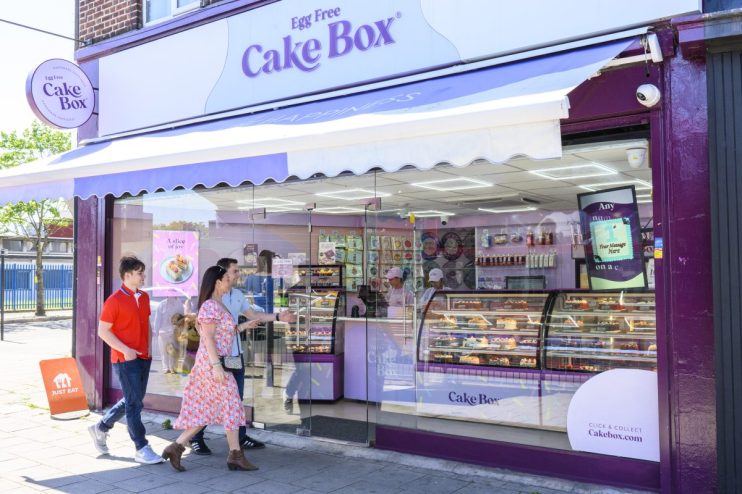
Cake Box has managed to find success on the high street at a tough time for in-store retail, consistently outperforming peers in day-to-day goods.
Its recipe for success is simple, according to its chief executive Sukh Chamdal: small celebrations – birthday cakes which start at £20 – are one of the last non-essential things stretched consumers cut back on.
“We do very well when there’s trouble on the high street… We did really well in Covid, in the 2008 recession… you find that a cake is an emotional purchase,” he said.
“When you’ve got one birthday a year, [it] tends to be a little bit extra special… [people] tend to spend an extra couple of pounds,” Chamdal said.
Times are undoubtedly tough – disposable income has slumped this year and the economy has shrunk beyond analyst’s expectations.
Firms across the board are struggling with high taxes, supply chain cost inflation and not quite enough demand to prop margins up.
It’s particularly difficult on the high street, especially in small towns. With footfall yet to return to pre-pandemic levels, business rates about to go through the roof and purchases continuing their steady march online, it’s rare to see double-digit growth for a high street store.
“I think we’re very well positioned to take advantage of all the turmoil going on the high street at the moment. People are putting more effort into celebrations.”
Revenue at Cake Box rose 13 per cent in the last year, while its pre-tax profit increased by 17 per cent. The company just opened its 250th store in Hastings and is hoping to reach 400 locations.
It has also acquired Asian sweet seller Ambala for £22m in March this year, providing “significant growth opportunities” with its 19 stores and freehold Welwyn Garden City property.
High streets need lower business rates
Cake Box recently joined a long list of retailer in slamming the current business rates system as too high for high streets.
While the impact of high rates on Cake Box’s franchised stores is “limited”, the company’s finance officer Michael Botha said reforming business rates would be a driver of high street improvements.
The UK government has started a review of business rates, with proposed plans to permanently lower rates for retail, hospitality, and leisure (RHL) properties with rateable values below £500,000 in 2026-27.
But high street retailers have argued reforms won’t come soon enough for many businesses, and there’s a chance that the extra pressure on stores with a rateable value of over £500,000 – often referred to as anchor stores – will pull key magnets off the high streets and work against redevelopment in many areas.
“Retailers are watching [the] government closely,” chief executive of the British Retail Consortium, Helen Dickinson, said.
Dickinson added that the government has not yet decided whether to include shops within its new higher rates threshold, but if it does then “many retailers will be forced to rethink their investment plans”.
“Every successive government has promised they’re going to review it, but it’s an easy tax to collect… that’s why no-one reforms it,” Botha said.
“Business rates reform is long overdue,” he added. “We urge [the government] to prioritise it in the next Budget.”