A UK captive insurance regime will make Britain more competitive

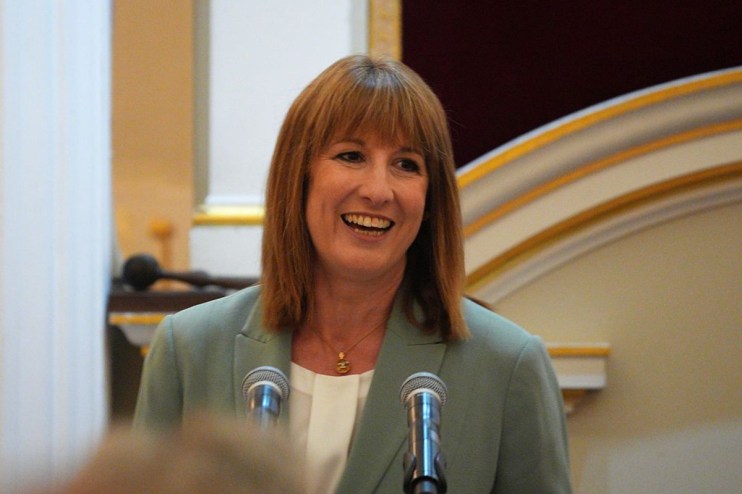
The Chancellor used here Mansion House speech yesterday to announce that she is creating a new domestic framework for captive insurance, aiming to attract companies back from offshore financial hubs and reinforce Britain’s status as a global leader in the insurance industry, says Chris Lay
Yesterday, as part of the UK Chancellor’s Mansion House speech, the government announced that it will facilitate the creation of a UK regime for captive insurance companies. The UK has long been recognised as a global leader in insurance and risk management. However, at present, despite the large number of captive insurance vehicles owned by UK organisations, those wishing to set up a captive have had to do so in other jurisdictions. This announcement is a positive response to the UK risk management industry’s calls for the introduction of a framework that would make it easier and more attractive for organisations to establish captives domestically.
Captive insurance is a long-established risk management tool, offering organisations greater choice in how they build their risk management strategy. It can help address traditional and emerging risk management pain points, enabling a greater control of risk, increased compliance and reduced costs. By establishing a captive, organisations can customise their insurance coverage and retain more control over their claims. This flexibility makes captives an increasingly popular option for multinational corporations, charities and even smaller businesses seeking tailored risk solutions.
Notably, the announcement supports the utilisation of captives for a broad range of risks and anticipates that this will involve proportionally lower capital and reporting requirements and facilitating faster authorisations for captive insurers. The move also opens the potential for the formation of more flexible, cost-effective vehicles, such as protected cell companies (PCCs), that would benefit smaller and mid-size organisations. PCCs provide a cost-efficient way to manage risks without the need for separate legal structures. This innovation could significantly lower barriers to entry for smaller organisations, encouraging wider adoption of captive solutions across the whole of the UK.
Unlocking benefits
A modern UK captive regime could unlock numerous benefits. It would enable organisations to tailor their insurance programmes more precisely and leverage the UK’s robust legal and financial infrastructure. The UK’s reputation for stability, transparency and a well-regulated financial environment also makes it an attractive domicile for captives. The development of the framework should be a collaboration between regulators, industry stakeholders and policymakers to ensure it is both nimble and competitive.
One of the key advantages in the announcement is the intention to introduce a regime with proportionate administrative and regulatory frameworks. Streamlined licensing procedures and regulatory oversight will be crucial to ensuring the UK can be competitive with established domiciles such as Bermuda, Guernsey and Luxembourg.
The potential for a dynamic and innovative captive sector aligns with the UK’s broader economic ambitions. When launched, it should look to attract a wide range of organisations – including multinational businesses, charities, public sector bodies and other entities to operate here, creating high-quality jobs and stimulating innovation right across the UK
Having previously run Marsh’s global captive business, I know that this has the potential to enable organisations of all sizes in the UK and around the world to have access to greater choice in how they manage risk. We need to ensure that the new captive framework will not only allow the UK insurance market to further demonstrate its reputation for innovation but also that captives can be formed as seamlessly as they are in other jurisdictions.
Changes to the UK captive environment should represent a significant opportunity for the UK to unlock new growth, foster innovation, and reinforce its leadership in the global insurance landscape. Marsh is committed to supporting this transition, working alongside regulators and industry partners to realise the full potential of a world leading UK captive sector. We already have captive leadership, staff and technology based in the UK and the announcement that the captive manager regime will be governed under the existing intermediaries regulation is a positive directional move towards making sure the infrastructure is in place for the new legislation.
Chris Lay is UK CEO at Marsh McLennan