JP Morgan to build Canary Wharf’s tallest tower – if there is a tax incentive

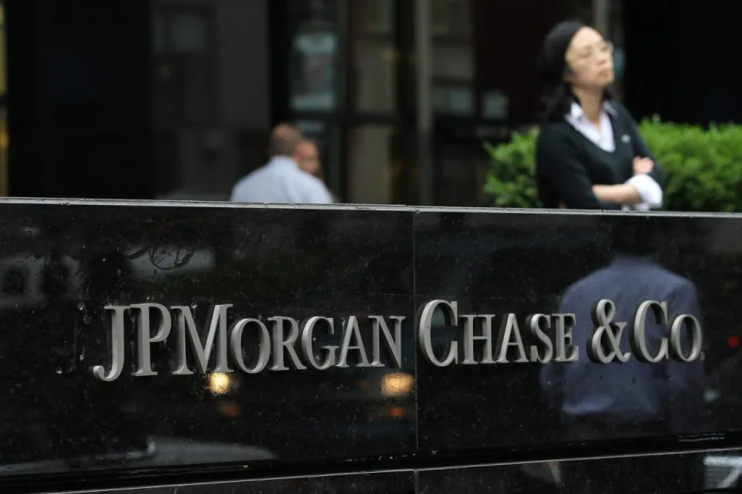
JP Morgan has been given the green light to build Canary Wharf’s largest tower but questions still remain over controversial tax incentives to lure the Wall Street titan in.
The US banking behemoth has been in talks with officials from London City Airport regarding height restrictions for the tower.
The bank is understood to have sought to nail the “maximum height possible to maximise investment” though faced a roadblock due to air restrictions from the nearby airport.
London City Airport sits around three miles away from Canary Wharf, placing the financial hub within its “safeguarding zone”.
But following talks, the two sides have agreed for the tower to reach 265m, according to the Financial Times. This puts it well above the current record holder, One Canada Square at 235m, which hosts Citibank, Barclays and BNP Paribas.
JP Morgan announced plans for the 3m square feet tower in the aftermath of the Budget, where banks dodged a highly-speculated tax raid. Rachel Reeves touted the investment as a “multi-billion pound vote of confidence in the UK economy”.
The project is expected to inject as much as £10bn into the local economy and create an additional 7,800 jobs across construction and other local industries. Once finished it will house up to 12,000 and serve as the bank’s main headquarters in UK and is biggest presence across Europe, the Middle East and Africa.
JP Morgan lobbies for tax incentives
But the bank has continued to warn the skyscraper would only go ahead should the government maintain a favourable tax environment.
The Treasury is said to be lining up a business rates discount of “up to 100 per cent” to attract the financial juggernaut.
A report from Tower Hamlets local council revealed JP Morgan had lobbied for a “business rates incentive over a period of years”.
The government has also warned the local authority that the bank was “unlikely to progress” on the new tower “without clarity and certainty” on its tax bill.
Companies operating out of the Docklands can already claim some benefits such as hefty tax deductions on the high costs of building and equipping a skyscraper. Through a system dubbed capital allowances, businesses can write off the full cost of essential equipment like lifts, fire safety systems, and office technology against their profits in the very first year.
Kate Nicholls, chair of UK hospitality, told The Times giving tax breaks and incentives to “companies who can afford to pay doesn’t feel fair or sustainable”. Wetherspoons founder Tim Martin said the state of the economy had produced “pork barrel politics” with those “who don’t have the bargaining power” to negotiate discounts “left to carry on”.
The announcement of the tower in November came amid a flurry of investments from the banking industry in the 48 hours that followed the Chancellor delivering her Budget. Meanwhile, FTSE 100 giant Barclays also promised on Wednesday to “boost support to UK businesses and consumers” with a further £45bn lending.
When questioned about criticism surrounding her plans Reeves touted the banks new investments.
“Why don’t you believe Jamie Dimon, the head of JP Morgan who today has announced a multi-million pound investment with a new building with capacity for 12,000 staff in London?” she told BBC News in the morning following the Budget.