The office isn’t broken. The model was.

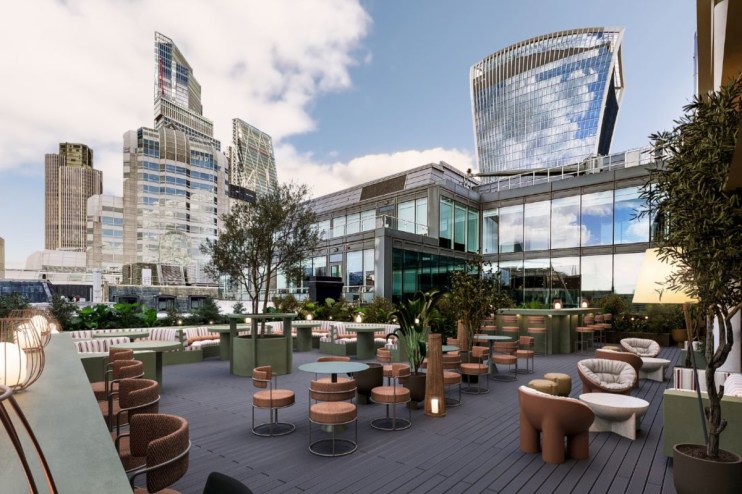
For the first time in a long time, the office market looks set to turn in 2026.
Not because sentiment has suddenly improved, but because the fundamentals are finally lining up. Property cycles don’t reset on headlines. They reset when the maths starts working again, and that moment is approaching.
Over the last decade, offices endured a perfect storm. Brexit, Covid and rising capital costs exposed the limits of a passive, yield-led approach. Offices continued to function, but the traditional investment model struggled to deliver. Capital didn’t abandon London because the city stopped working. It stepped back because risk and return fell out of balance.
Demand, however, never disappeared. It recalibrated. Office attendance has stabilised, hybrid patterns are set, and occupiers now have clarity. What’s changed is not whether people use offices, but what they expect from them. Quality, experience and performance now matter more than ever. Something that Halkin Offices have identified and invested in to great effect.
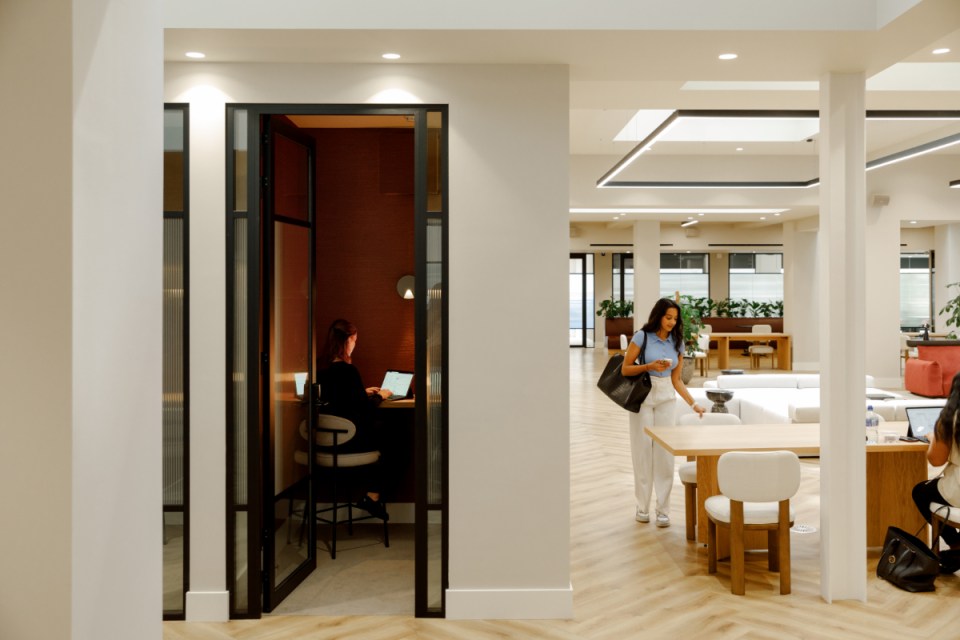
This shift is arriving alongside a meaningful macro reset. Inflation has cooled, and interest rates are easing. The market doesn’t need zero rates to recover, it needs rates that allow underwriting to function. A modest reduction in the cost of debt is enough to unlock stalled decisions and bring capital back to the table.
Supply tells the rest of the story. Headline vacancy figures mask a growing divide. Average space struggles. High-quality, well-located offices don’t. In core markets, availability is tightening, incentives are compressing and rents for best-in-class space are already pushing higher as buildings, such as 68 King William Street, build ever longer waiting lists.
Years of under-building and limited refurbishment have left the market short of genuinely fit-for-purpose offices. Regulation is accelerating this further, removing non-compliant stock unless meaningful capital is deployed. At the same time, construction costs have stabilised, making refurbishment and repositioning viable again.
This is why 2026 matters. Lower rates. Clearer demand. Constrained supply. A more predictable development environment.
Same city. Very different setup.
The office didn’t fail, the operating model did. Is 2026 when that finally starts to change?