Starmer caps ground rents after fears of Rayner-led rebellion

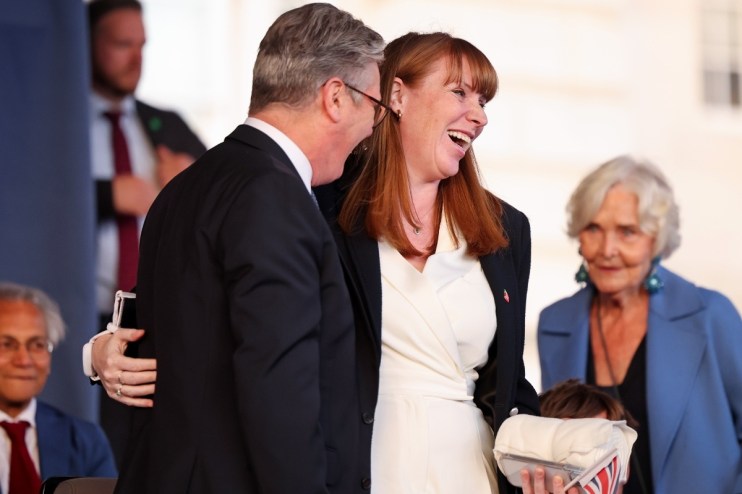
Sir Keir Starmer has introduced a cap on ground rents following fears of an MP rebellion led by the former deputy Prime Minister Angela Rayner.
The Prime Minister announced the new move – which will cap ground rents at £250 a year for leaseholders in England and Wales – on TikTok, saying it will “make a difference” to so many people “worth hundreds of pounds”.
Ground rents – which are regular payments made by a holder of a leasehold property to the freeholder or a superior leaseholder – were abolished for most new residential leasehold properties in England and Wales in 2022, but have still been in place for existing leasehold homes.
In its 2024 manifesto, Labour said it would “tackle unregulated and unaffordable ground rent charges”.
But Rachel Reeves is understood to have flagged some concerns over the cap, warning it could hit pension funds, which have invested £15bn in ground rents.
This led to a delay in the draft leasehold and commonhold reform bill, which was set to include the measures.
Rayner warned Starmer on ditching rent cap
Rayner, who served as housing secretary before she was forced to quit when it was revealed she had not paid sufficient stamp duty on a second property, warned the government against watering down the reforms.
The former Labour deputy leader said poorer households would “lose faith that anything could change” and called on Starmer to show “whose side we are on”.
When in opposition, housing minister Matthew Pennycook said his ideal scenario was for ground rents to be capped at effectively zero.
Just last week former Labour minister Justin Madders told the BBC that the government could suffer a “mass rebellion” if it decides to ditch its pledge on a ground rent cap. He added a limit of zero would be preferred but he would accept a £250 cap due to the risk of “elongated legal challenge”.
The government may still be bracing for legal challenges, however, with an impact assessment from the last Conservative government suggesting freeholders would demand near £27bn in compensation.
According to the Times, at least ten major City firms have issued a direct warning to the Treasury.