River Island saved from brink of administration but stores to close

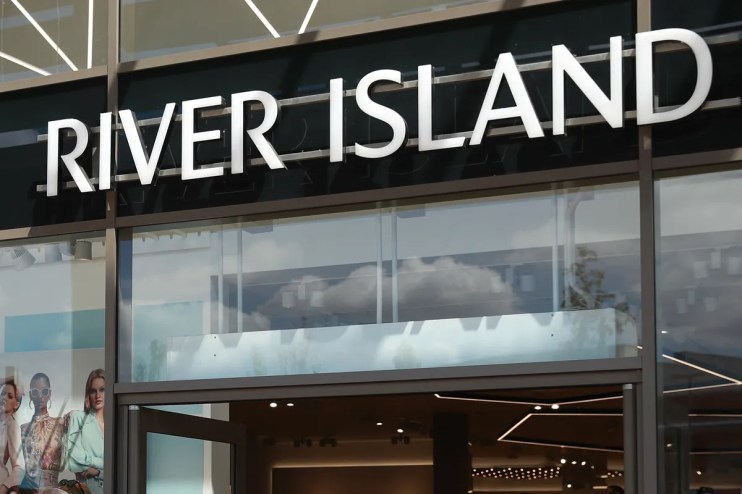
High street retailer River Island has been saved from the brink of administration after a High Court judge approved its restructuring plan.
River Island’s plan includes reducing rents – some to zero – across parts of its 230-store portfolio, closing 33 locations, and writing off certain debts.
Founded in 1948, the retailer operates 232 stores across the UK and Ireland, with Irish locations exempt from the plan. Of these, 122 stores are not included in the plan.
Last October, it was reported that the high street retailer had slipped into the red with a £30m loss before tax as it struggled to hold up against online competition and rising costs.
Over the last year, the business has closed down eight stores deemed unprofitable. The company is currently making redundancies across its head office with expected savings of £8.1m a year.
The “genuine rescue attempt” to save the retailer failed to pass a key creditor vote on 1 August, resulting in the High Court assuming responsibility for the decision.
As noted in the hearing on Friday morning, River Island is “running out of cash”, with assessments indicating it can only operate until the week commencing 8 September.
The barrister also told the court that intense media attention has increased pressure from creditors seeking to secure their claims.
Sir Alastair Norris, sitting as a judge of the Chancery Division, approved the plan, reading out his decision in a live hearing held on Friday morning.
Despite the approved restructuring plan, landlords can appeal the decision, although it’s an expensive process. It was noted in the hearing, seven landlords has instructed law firm Hogan Lovells but did not end up opposing the plan.
Commenting on the ruling, Kathleen Garrett, partner at Reed Smith said: “Today’s judgment from the High Court felt pretty inevitable but was by no means a slam-dunk.”
“This is the latest in a series of judgments that have seen the courts prioritise rescuing a business over the interests of creditors especially where it comes to use of cross-class cramdown to compromise landlord claims where necessary to facilitate a company’s rescue,” she added.
The High Street problem
Today’s ruling will allow River Island to survive, for now; however, it is also part of a trend of Britain’s high street retailers struggling to compete with the rise of online shopping and ever-increasing costs.
Business rates, increasing taxes, and low foot traffic have all heaped pressure on stores, with 360,000 jobs lost in retail over the last decade.
Furthermore, the current tax rises introduced by the Labour government, including National Insurance Contributions (NIC), have added further complexity for businesses.
Meanwhile, for clothing businesses, online competition includes Shein and Temu, which operate on a small-batch, data-driven model, allowing them to respond to short-term online trends within a very short time frame.
Former High Street competitors Miss Selfridge, Dorothy Perkins, and Debenhams have already transitioned to online-only operations.
Michelle Quinn, Partner at Grosvenor Law added: “One hopes that the restructuring plan works, to ensure that a staple of the High Street remains for years to come.”