Reeves urged to cut bank tax as UK competitiveness lags

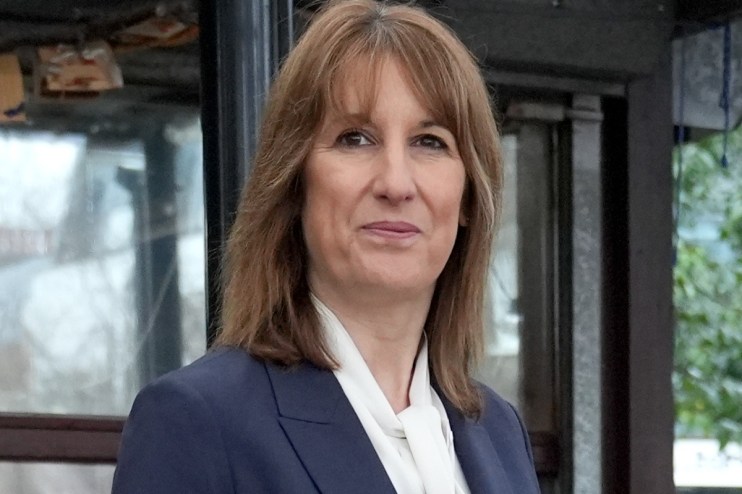
Rachel Reeves is facing renewed calls to cut tax on the banking sector after new bombshell research laid bare the competitive disadvantage UK lenders are battling against.
The Chancellor spared banks from a highly-anticipated fresh tax raid in the Autumn Budget but a new report – penned by the Association for Financial Markets (AFME) and KPMG – has urged her to go a step further.
The AFME argues whilst there may be “political rationale” for sector specific taxes on banks, the burden of any levy is “ultimately transferred to bank services and customers, resulting in increased costs across the broader economy”.
In the 2024 to 2025 financial year, the total tax contribution from UK banks reached around £35.2bn, according to the HMRC’s annual statistics. Comparatively, prior to the financial crisis the figure stood at £35.2bn.
The total tax rate inflicted upon UK lenders rose to 46.4 per cent in the last year, up from 45.8 per cent, thanks largely to Reeves’ employers national insurance contributions.
City banks are subject to a sector-specific levy and a surcharge that sits on top of corporation tax as well as VAT, property taxes, national insurance and other taxes levied on businesses.
The bank levy acts as a tax on a bank’s debts and liabilities in a bid to encourage safer balance sheets, with a higher rate for short-term debt a lower for longer-term which is seen as more stable. Meanwhile, the surcharge is an extra tax on their profits is an extra three per cent that sits on top of the already 25 per cent corporation tax.
The AFME lobbied for the government to commit to not increasing bank taxes for the remainder of the parliament or imposing any new levies. The group also called for the bank to phase the bank levy out to align the tax regime with that of the wider economy.
“The Government should look to simplify tax rules where possible, with particular reference to banks compliance and reporting requirements,” the group said.
City minister: Banks deserve to be taken off ‘naughty step’
Ahead of the Autumn Budget, speculation rose whether banks would be targeted as Reeves looked to strum up cash.
The Chancellor faced lobbying calls from think tanks, opposition politicians and even former deputy Prime Minister Angela Rayner to up tax on the banking industry.
The left-leaning think tank the Institute for Public Policy Research (IPPR) said Reeves could raise up to £8bn a year from a fresh levy on the bank’s profits from quantitative easing.
Still, Reeves avoided such a move and in the 48 hours that followed a batch of British banks announced whopping investments into the UK.
At a London banking conference in November, City minister Lucy Rigby said banks deserved to be taken off the “naughty step” as the government looked to loosen up some of the post-financial regulation.
But analysts have named political instability as a key risk for the banking industry going forward as Prime Minister Keir Starmer’s leadership comes under heat.
A change in leadership could pave the way to a left-wing leader with a less favourable view towards the banking industry, which analysts at Moody’s warned could be “uncomfortable” for the sector.
Elsewhere, Nigel Farage has pulled no punches in his intent to slap a tax on the banking industry.
Speaking at the World Economic Forum in the Davos earlier this year, the Reform UK leader said: “This will be tough for banks to accept but I am sorry – the drain on public finances is just too great.”
He framed the move as not a direct tax but instead the banks were “not going to get free money anymore” through raiding earnings from quantitative easing.