Oil on track for biggest weekly jump in 4 years as US mulls intervention

The oil market is set for its biggest weekly gain in four years after the crisis in the Middle East sent ripples through the energy markets.
The price of Brent crude has risen by around 18 per cent in the last week, tipping over $85 a barrel. Should the gains hold up, it would mark the biggest week since the week to 4 March 2022, when Russia launched its invasion of Ukraine sparking a global energy crisis.
Spikes have been driven by activity in the Strait of Hormuz – a crucial narrow waterway on the Southern coast of Iran – coming to a near-complete halt. The strait gives passage to nearly a fifth of the world’s oil supply and is a key route for other types of commodities. Attacks throughout the week have led to ships halting trade.
“Oil prices remain elevated, and as things stand there’s no sign that either WTI or Brent looks set to reverse direction,” said David Morrison at Trade Nation.
“Oil has, perhaps more than any other market, been driven by headlines concerning the ongoing hostilities across the Middle East, particularly around the Strait of Hormuz.”
The conflict entered day 7 on Friday, with very little sign of slowing down after the Iranian foreign minister Abbas Araghchi warned his country was “not asking for a ceasefire”.
On Thursday, Prime Minister Sir Keir Starmer called a press conference where he vowed to “resist” pressure on the UK’s response to the conflict with Iran as he defended Britain’s “level-headed” military response.
He said the UK would focus military capabilities on the defence of allies, with the Prime Minister announcing that additional Typhoon jets would be sent to Qatar.
But Starmer also was quick to reiterate that there may not be a quick end to the current conflict – a sentiment that has kept markets risk aversion elevated.
The Prime Minister has been on the receiving end of harsh criticism from across the board in the conflict. The Spectator quoted a former minister as saying ‘The Emiratis, Kuwaitis, and even the Canadians are all asking, “What the f*** are you doing? Whose side are you on?”’
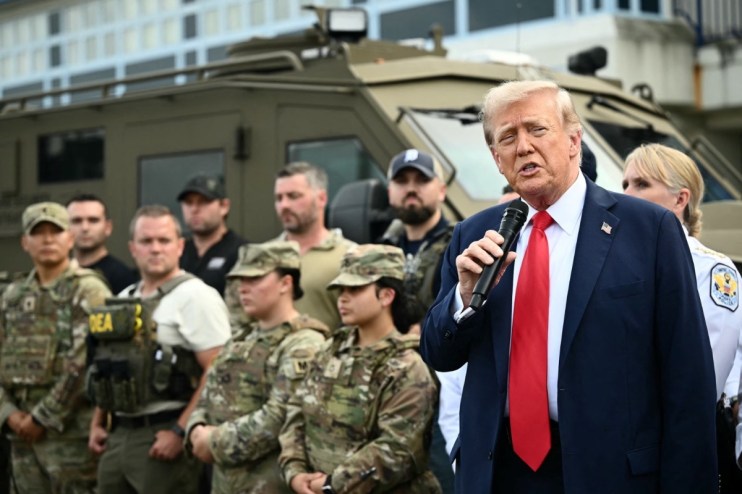
Trump’s White House mulls oil intervention
Though markets were brought some breathing room early on Monday, on the news that the US was weighing an intervention to stop soaring energy prices.
A White House official said on Thursday the US’ Treasury Department is poised to announce policies to combat surging energy prices from the Iran conflict, which could include potential action involving the oil futures market.
The news sent brent crude futures – the international benchmark for oil – down 1.3 per cent to $84 a barrel. Meanwhile, West Texas intermediate was down 1.8 per cent to just under $80.
Ipek Ozkardeskaya, senior analyst at Swissquote, said the announcement of potential measures helped “pour some cold water on the surge”.
“Now, US trading of oil futures could help counter speculation, but many doubt that government selling of oil futures would sustainably cap prices because the physical market ultimately drives pricing,” Ozkardeskaya added.
“Benchmarks such as Brent crude and West Texas Intermediate crude oil are tied to real supply and demand, so if a conflict in the Middle East disrupts flows for a prolonged period – say weeks or months – especially through chokepoints like the Strait of Hormuz, refiners will still bid up physical barrels regardless of financial selling.”
Elsewhere, gold has taken a slump in the last week amid fears, as investors flocked to the dollar as a safe haven as opposed to the yellow metal. The DXY index – which tracks the dollar against a basket of currencies – has edged up to above the 99 mark after starting off the week just over 97.
Precious metals have taken a hit as the Iran war triggered a wave of grounded flights and disrupted shipments.
Nikos Tzabouras, senior market analyst at Tradu.com, said: “Reflationary risks could prevent Fed rate cuts and further dampen bullion’s appeal, leaving it vulnerable to deeper pullbacks and volatility, particularly given recent speculative positioning.”
Though he added: “The conflict remains a tailwind for gold and could amplify safe-haven demand, posing fresh risks to an already uncertain macroeconomic environment.