Starmer sticks to youth minimum wage pledge despite jobs fears

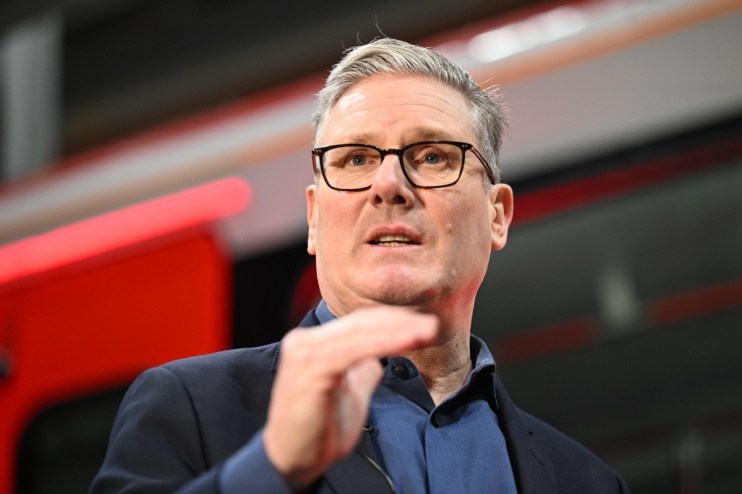
The government will stick to the Labour party’s manifesto commitment to equalise the minimum wage despite speculation it would row back on the pledge over unemployment fears, the Prime Minister has said.
Speaking on Wednesday, Sir Keir Starmer said: “We’ve made commitments to young people in our manifesto, and we will keep to those commitments, including the commitment that we would make sure that the living wage would go up this April, which I can absolutely confirm to you will happen.”
It comes after reports from The Times that the government was weighing dropping the manifesto pledge to align the minimum wage for 18 to 20-year-olds with those over 21 in a bid to tackle rising youth unemployment. The BBC has reported a full reversal on the commitment is unlikely though ministers were interested in delaying the move.
Labour had promised ahead of the 2024 General Election to ditch “discretionary age bands” but criticism around the move has amplified after fresh job figures this week confirmed young people are the most likely to struggle in the UK jobs market.
Just north of 16 per cent of people aged 16 to 24 are registered as unemployed compared to the national average of just over five per cent. In the final quarter of 2025, joblessness among young people soared to 740,000 hitting an 11-year high.
Reeves skirts minimum wage question
On Tuesday, the Office for National Statistics (ONS) said the rate of unemployment had risen to 5.2 per cent in the three months to December, marking the highest level since 2021.
Increases to the minimum wage – which will rise 4.1 per cent to £12.71 for those over 21 and 8.5 per cent to £10.85 for 18 to 20-year-olds in April – has been cited as one of the biggest cost pressures for employers.
Starmer’s commitment to the pledge comes after Chancellor Rachel Reeves dodged a question on the move and refused to deny delaying the alignment.
“We already have incentives to hire young people with the apprenticeship rate of the minimum wage, but also for no national insurance contributions for the youngest workers,” the Chancellor said.
“But we do recognise there are challenges and that is why we’re extending the number of further education college places, extending the number of apprenticeship places to help young people get the skills and the experience that they need to move into work.”
The Bank of England’s Catherine Mann has said the rise in youth unemployment reflected “disproportionately big increases in the minimum wage for that age group”.
“I think we have to be very careful in the storyline about youth unemployment being the canary in the coal mine for a deeper deterioration in the labour market,” she told the Telegraph.
Shadow Chancellor Mel Stride has attacked Labour policy for Tuesday’s soaring unemployment figures: “Higher taxes – including a tax on jobs, soaring business rates, and anti-business red tape that piles on risk is making it harder to employ people”.
“Labour’s front bench has no real-world business experience and it’s showing.”