FTSE 100 bosses’ pay boom fails to bridge Wall Street gap

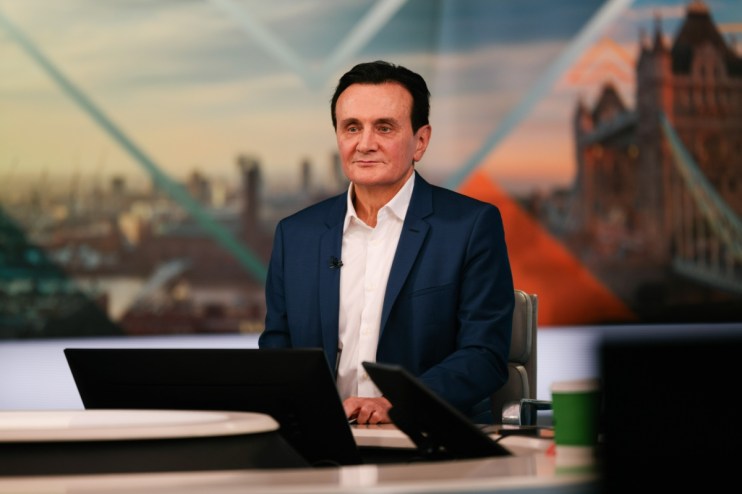
Pay for FTSE 100 bosses ballooned over the last year as boards turned to share bonuses in a bid to catch up with the compensation offered by US giants.
The median granted chief executive pay in London’s blue-chip index swelled 16 per cent to £6.1m, according to a report from Diligent Market Intelligence.
Long-term incentives accounted for over 54 per cent of bosses’ packages, up from 52 per cent, as firms began to shake-up pay structures.
Astrazeneca boss Pascal Soriot, the highest paid British chief executive, pocketed £17.7m last year with the majority of the payout coming from a whopping £11.6m in share bonuses.
Soriot was awarded 88 per cent of his maximum potential payout in March 2026 under a three-year incentive plan that focuses on key regulatory drug approvals and pipeline progress.
Tufan Erginbilgic, chief executive of Rolls-Royce, saw the cap on his incentive plan double to 750 per cent of his base salary earlier this year as part of a remuneration overhaul. This increase could see the blue-chip chief, who is credited for a miraculous turnaround of the engineering firm, land a pay packet of up to £18m following the three-year performance period.
Despite these hefty uplifts, FTSE 100 bosses’ pay has continued to trail behind their counterparts on Wall Street.
City urged to give executive pay more attention
The median chief executive pay granted on the S&P 500 – the index tracking the US’ top 500 firms – rose eight per cent to $18.2m (£13.7m). This was more than double the London average.
Cash sign-on bonuses also reached a new high for S&P 500 chiefs, averaging at $3.7m, up from $3m. The boss of Nscale, the British AI startup set to list in the US, received £17.2m in total compensation last year, just shy of Sariot’s packet as the FTSE 100’s top paid boss.
Elsewhere, Europe inched closer to London, with pay on France’s Cac40 rising 14 per cent and Germany’ Dax two per cent. Both hit an average of €6.8m (£5.8m).
Executive pay has remained a volatile topic in the City with proxy agencies rallying against package increases for top chiefs.
The boss of Burberry, Joshua Schulman, stared down a 37 per cent shareholder rebellion to a proposal that could hand the fashion house boss nearly £4m in extra bonuses.
Schulman was appointed as chief executive in July 2025 and returned the luxury brand to profit following a £66m loss in the previous year. In September, the firm reclaimed its spot in the FTSE 100 index.
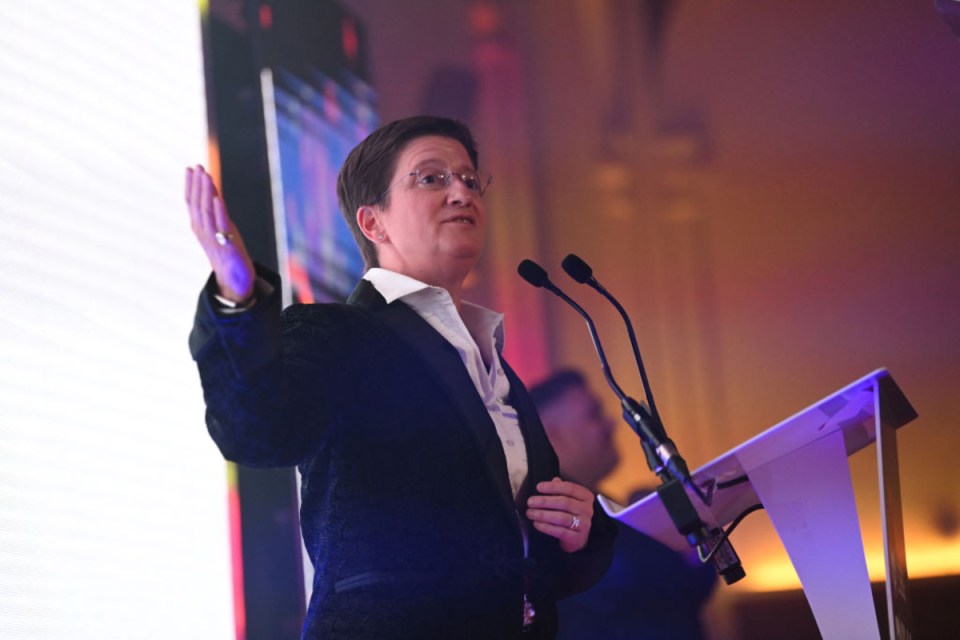
Julia Hoggett, the boss of the London Stock Exchange, has previously hit out at proxy agencies who oppose higher levels of compensation in the UK but support similar packages in different jurisdictions.
“This lack of a level playing field for UK companies if often not discussed, or if it is, the downside risks to our companies, our economy and our competitiveness are not part of the conversation,” she said in 2023.
Hoggett described the matter as a “critical element that has not received enough attention”.