Civil servant defends Starmer over ‘due process’ on Mandelson

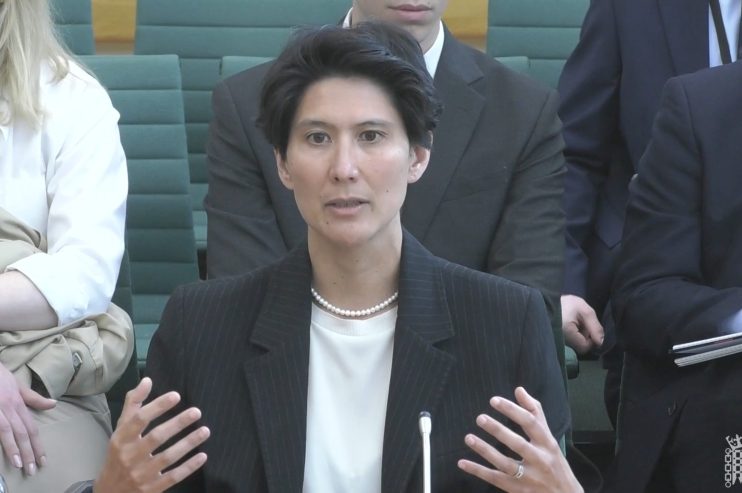
A top Whitehall operator has appeared to defend Sir Keir Starmer’s insistence that due process was followed by the government in the appointment of Lord Peter Mandelson as US ambassador.
Cat Little, the Cabinet Office’s chief operating officer, said that bureaucratic procedures around security and vetting were adhered to by the Prime Minister’s team at the time Mandelson was sent to Washington DC.
She added that former Foreign Office chief Sir Olly Robbins chief could have shared details of Mandelson’s security vetting with the Prime Minister and contested claims that the Cabinet Office had attempted to stop the process taking place.
However, Little also said it was up for Robbins to personally decide whether the details of a crucial summary document, which recommended against Mandelson’s appointment, could be shared with the Prime Minister.
Appearing before the Committee, the top civil servant provided details that could further complicate understanding of internal security processes and thwart arguments that Starmer unknowingly misled the House of Commons in stating that due process was followed.
However, the Prime Minister is still facing intense questions over his leadership from ministers, Labour MPs and opposition parties over decisions to sack multiple officials for errors and the strength of his own political judgment in choosing to appoint Mandelson.
Little meets big bureaucratic system
During the session with MPs, Little seemed to contradict parts of former Foreign Office permanent secretary Sir Olly Robbins’ account of events.
Robbins had suggested that he was denied access to UK Security Vetting (UKSV) documents, a key secondary review of important appointments, when he appeared before the Committee on Tuesday. Little said the Foreign Office was granted access to a key summary document in September.
The former Foreign Office official also indicated he was unable to share information with the government around Mandelson’s vetting on procedural and legal grounds.
Starmer sacked Robbins after he said he was “staggered” that he was not told about a recommendation that Mandelson had not been given clearance by security officials, and that the Foreign Office had allowed Mandelson to stay in his post.
Little said she took legal and expert advice on the handling of the document, which recommended against Mandelson’s appointment, when she was made aware of it. She took around three weeks before informing Starmer about the document.
“My view is that due process was followed,” Little told MPs.
“The process is that UKSV makes a recommendation and the Foreign Office makes a decision as to whether to grant developed vetting.
“That is the process and that is the process that is agreed with the Foreign Office.”
But she later suggested it was up for Robbins to decide whether to show the Prime Minister the UKSV’s vetting decision.
Starmer’s coming reckoning
Little’s appearance came two days before Robbins appeared before the same committee. Starmer’s former chief of staff Morgan McSweeney, who resigned over his links to Mandelson.
It also coincided with gruelling reports around the Prime Minister’s leadershihp, questions over parliamentary procedure and further warnings over Mandelson.
Some Cabinet ministers have now anonymously told newspapers that they had lost confidence in Starmer.
One told the i Paper that the mood was “bleak” and Starmer’s time in Downing Street depended on when ministers would move to boot him out.
A “loyal” minister to Starmer told The Daily Telegraph that the “wheels had stopped turning” in government.
The Cabinet’s meeting on Tuesday also reportedly featured warnings from Rachel Reeves, Shabana Mahmood and Wes Streeting, who told Starmer that his sacking of Sir Olly Robbins risked undermining relations between ministers and the civil service.
The Tories have considered whether Starmer could be referred to a committee that investigates ministers when parliament is misled.
A separate report in the Financial Times has also added to questions over who knew what and when as Mandelson’s link with Epstein were reportedly reviewed by the UK’s National Crime Agency before his appointment in 2024.