Robbins: Starmer’s team was ‘dismissive’ about Mandelson vetting

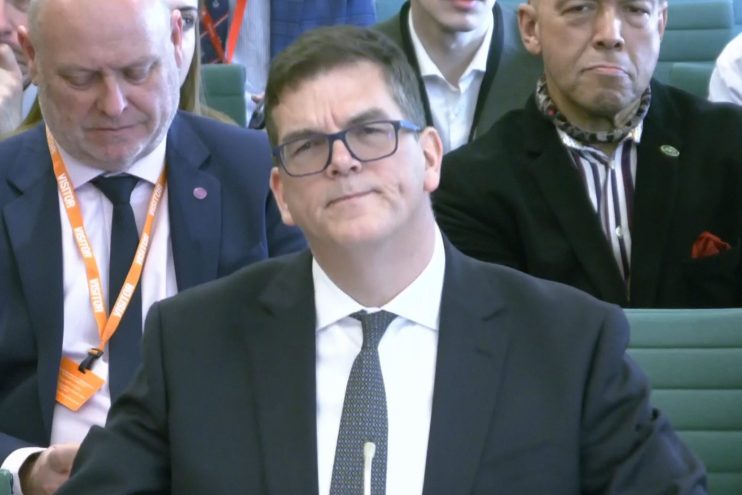
Former Foreign Office permanent secretary Sir Olly Robbins has criticised Number 10’s “dismissive attitude” to security vetting for Lord Peter Mandelson, who accessed classified files before
Robbins, who was recently sacked from his key civil service post, told the Foreign Affairs Committee that there was “constant pressure” on the Foreign Office to give Mandelson clearance to become ambassador to the US, and that it would have been “difficult” to deny him the job in Washington DC.
He appeared to suggest that the Foreign Office was urged to “get on” with security vetting for Mandelson, adding that some measures to mitigate risks were put in place.
His comments came in direct conflict with Sir Keir Starmer, who said that he found it “incredible” that Mandelson did not pass security vetting and was subsequently not told about it.
“I’m afraid what that translated into for my team in the Foreign Office, and certainly the handover briefing I was getting as I arrived at post, was what I felt was a generally dismissive attitude to his vetting clearance,” Robbins told MPs.
“The focus was on getting Mendelson out to Washington quickly. Despite this atmosphere – an atmosphere of pressure – the department completed developed vetting to the normal, high standard because the vetting process is not there to determine fitness for office or reputational risk.
“I was briefed that UKSV [a security branch of the Cabinet Office] considered Mandelson a borderline case, and that they were leaning towards recommending that clearance be denied, but that the Foreign Office Security Department assessed the risks identified as of highest concern, or UKSV, could be managed and or mitigated.”
He later added that it would have been “very difficult” to deny Mandelson clearance given the US administration had already been sought for approval and the King had also been informed about the appointment.
Robbins also confirmed that Mandelson was given access to classified information before security vetting had finished.
“The very first formal communication of this to my predecessor from Number 10 private office was that they wanted all this done at pace and Mandelson in post before [President Trump’s] inauguration.”
A Number 10 spokesman denied that officials had been dismissive, adding there was a “difference” between questions being asked and officials ignoring advice.
Starmer also told ministers in the Cabinet that Robbins made an “error of judgment” in the process and was a “man of integrity”.
Robbins makes bombshell revelation
Robbins also revealed that he was banned from speaking to the foreign secretary about a request to find an ambassadorial role for Lord Matthew Doyle, who was given a peerage despite links to a sex offender.
Robbins said that Downing Street officials were looking for a ‘head of mission’ role for Starmer’s former director of communications in March last year but that he was under “strict instructions” not to discuss the matter with David Lammy, who was the foreign secretary at the time.
“I found it very hard to think how I would explain to the office what the credentials of Matthew were to be in an important head of mission role when I was in danger of making very senior, very experienced diplomats leave the office,” Robbins said.
“It was to be honest hard to find something that I thought might be suitable but I also felt quite uncomfortable about it.”
Lord Doyle was awarded a peerage by Starmer last year but the whip was suspended from him after it emerged he had campaigned for a convicted sex offender.
Foreign secretary Yvette Cooper said she was “extremely concerned” about her predecessor not being informed about a possible appointment.
Starmer to face new questions over ‘pressure’
On Monday, Starmer appeared before MPs in the House of Commons to claim that a “deliberate decision” was taken by Robbins to withhold information on the vetting.
The Prime Minister said “there was not a lack of asking” about Mandelson’s vetting from Number 10 and added that he didn’t “accept” Robbins’ explanation.
“If I had been told that Mandelson had not been given clearance on security vetting, I would not have appointed [him],” Starmer said.
“It beggars belief that throughout this timeline officials in the Foreign Office saw fit to withhold information from senior ministers.”
Labour MPs including John McDonnell and Chris Hinchliff attacked Starmer for making the appointment in the first place. Dame Emily Thornberry, the chair of the foreign affairs select committee who was in Starmer’s shadow cabinet, questioned whether security risks were “very much second order” before saying that “getting Peter Mandelson the job was a priority that overrode everything else”.
President Trump also weighed in on the appointment, calling Mandelson a “really bad pick” in a post on his platform Truth Social.
‘I steered well clear of Mandelson’
In the morning, energy secretary Ed Miliband said that Starmer should not resign for making a mistake but he said he raised concern about the appointment at the time.
“I steered well clear of Mandelson when I became Labour leader in 2010,” Miliband told Sky News.
Starmer will keep facing scrutiny over the Mandelson appointment as further documents relating to his time as ambassador in Washington DC are set to be published over the coming months.
The Intelligence and Security Committee may yet consider an audit of Whitehall to understand who knew what and when.
He was first subject to a due diligence report by civil servants based on publicly available information while a separate branch of the Cabinet Office later conducted a security vetting process.
This second critical vetting process was completed after Mandelson was already in his post in Washington DC. The Guardian reported last week that he failed the security vetting, with ministers stating in the last few days that they were never made aware of its details.
Former cabinet secretary Simon Case had advised Starmer that security vetting should take place before Mandelson was placed in his role but the Prime Minister said Case’s successor as cabinet secretary, Sir Chris Wormald, judged vetting to have proceeded as normal at the time.