Bosses insist bonuses are justified for running ‘hair raising’ Thames Water

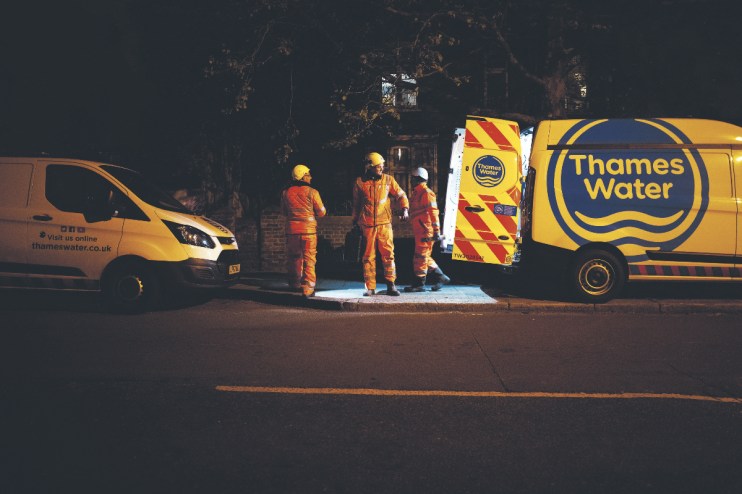
Bosses at Thames Water have defended taking hefty bonus payouts as Thames Water battles to stay afloat and pollution incidents soar.
Chief executive Chris Weston and Chair Sir Adrian Montague are spearheading a turnaround at the crisis-hit utility, which narrowly avoided bankruptcy earlier this year via a £3bn emergency loan from creditors.
It was revealed on Tuesday that Thames’s bosses would receive further “substantial” bonuses amounting to “50 per cent of salary” from the loan deal, which was approved by the high court in February.
Weston had already accepted a £195,000 payout just three months after joining the firm last year. Facing questions from MPs on the environment select committee, he argued he had “made a difference.”
“I started to put in place the new organisational structure, I started to give people confidence and reassurance about how proud they could be of the job they did and what we were setting out to do.”
Thames Water has a debt pile of around £20bn and is under significant pressure amid a surge in monitored and reported sewage leaks and pollution incidents in recent years.
Sir Adrian Montague argued the amount of bonuses paid to staff was “very small” compared to the investment Thames was putting into fixing its infrastructure.
He also said payments were justified to retain the company’s top talent. “I have not watched in detail the discussions you have had with water company chief executives and their supporters, but bonuses featured in all of them.
“The fact is we are in a marketplace for talent, talent goes where it thinks it is going to have the best future.”
The comments come despite mounting criticism of the entire water sector’s approach to remuneration and dividend payments.
Water firms have pressured regulator Ofwat to hike bills significantly to pay for investment into the network’s creaking infrastructure.
Pollution incidents at Thames Water rose 46 per cent in the same period it paid-out the £770,000 to its top team. There were 469 incidents last year, 33 of which were dubbed “serious.”
Montague apologised for “letting customers down.”
“We know that pollutions, we know that spills, we know that supply interruptions cause inconvenience and sometimes real hardship. So I think the right thing to do is to start a discussion of the turnaround plan by acknowledging that we haven’t always served our customers as well as we should.”
Weston said sewage leakages and pollution were the “most frustrating” areas for the company, with around 569 megalitres pumped into British rivers per day.
“That’s not acceptable. No one at Thames comes to work to cause a leakage, everyone wants to try and minimise that as much as possible,” he added.
Thames Water situation ‘hair raising’
Thames Water’s £3bn bail-out earlier in the year has put US private equity firm KKR at the front of the queue to takeover the firm.
Montague, who joined the board in 2023, said running a corporation with only five weeks liquidity had at points been “hair raising.”
Part of the blame for Thames Water’s demise has been placed on its former owner Macquarie, the infrastructure investors which loaded the company with debt.
Weston admitted the use of debt had become “excessive” in the water industry and that Macquarie’s ownership had likely “exacerbated” the current situation.
He also criticised regulators, arguing: “The fundamental problem has been with the regulatory regime, there are flaws in the regulatory regime.”