Big bank bosses on alert as tax noise gets louder under Burnham


Banks have delivered booming profits for the first half of the year. In this week’s column Samuel Norman takes a look at how the calls for a tax rise on the sector will get louder under the new Prime Minister.
“The saxophones are getting louder” is the internet’s new saying to depict growing anxiety. If you walk into any bank headquarters currently, you may hear the beginnings of a woodwind crescendo that plays in films right before things hit the fan.
For the last few years, the country’s top banks have danced to the beat of Rachel Reeves’ drum. It’s a tune that has left them able to escape a cash raid in two Budgets that collectively raised taxes by £66bn.
Banking was a sector Reeves was keen to keep on side, so much so she handed the IPPR, a leftwing think tank, a dressing down for publishing a report on taxing the sector. Top bosses were lined up to reveal fresh investments into the UK economy in the 48 hours following her second – and last – fiscal event.
With Rachel Reeves, the scene was set. Playing to the UK’s overarching growth story was the strategy deployed by top banks in two consecutive Autumn’s as they defended themselves against the tax noise.
But now with Andy Burnham and newly-anointed Chancellor John Healey, my fellow South Yorkshireman (and local MP back up’ north), the sector is singing from a different hymn sheet.
A £19bn windfall tax
Top brass at the UK’s big four banks – Natwest, Lloyds, Barclays and HSBC – were each pressed this last week on whether they are worried about a tax raid.
Charlie Nunn, the boss of Lloyds, refused to be drawn in on three different occasions. “It’s very much a decision for the government,” he repeated, sotto voce. “Let’s wait and see.”
Natwest’s Paul Thwaite sung the same refrain: “If you want a strong economy, you need strong banks.”
The play it by ear approach may be all they can do for the time being but there is one Burnham ballad they are rushing to belt. The self-styled King of the North had made no secret of his devolution ambitions and bank bosses have rushed to join the party.
HSBC boss Georges Elhedery this week stressed the bank has “operations all over the UK,” employing people across its data centres in Sheffield, HSBC UK’s headquarters in Birmingham and its biggest call centre in Swansea.
Natwest’s Paul Thwaite shared a stage with Andy Burnham at the Great North Investment Summit in May just before he made his return to Parliament. Thwaite announced a fresh £20bn of lending in the north as part of a regional growth effort.
Whether this can drown out the noise is another question. Surging bank profit has done little to subdue the tax campaigners’ demand after each of the lenders surpassed expectations and a number upgraded to their income forecasts.
Activists at Positive Money have suggested a windfall tax could raise £19bn from the big four alone. The group dashed out on Tuesday after HSBC wrapped up half-year reporting season to blast the £13.7bn paid out to shareholders by the quartet as evidence “they can easily be paying more tax”.
They then called for Andy Burnham to “break with his predecessors by resisting the demands of City lobbyists”.
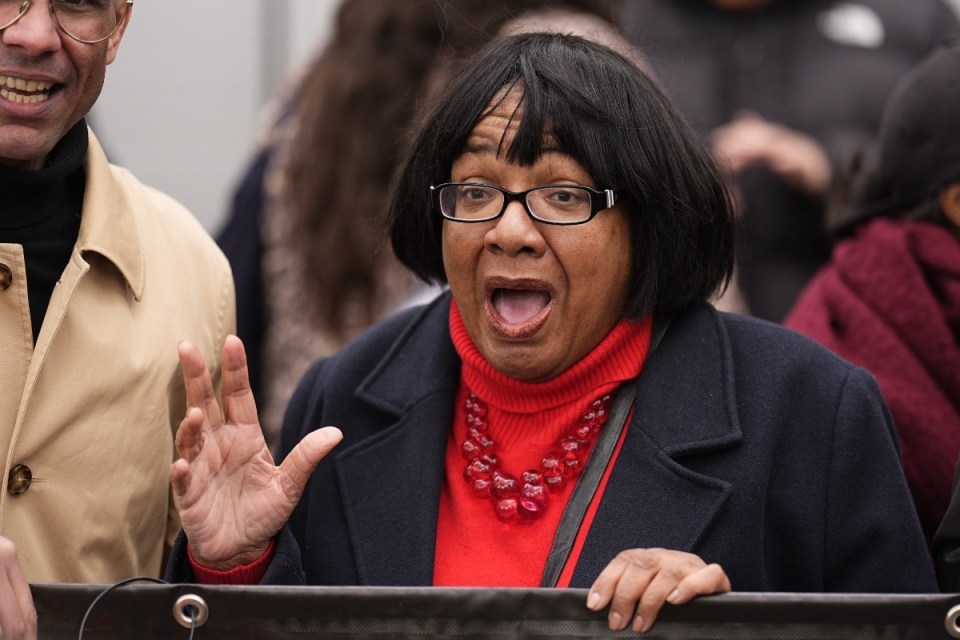
Meanwhile, mother of the House of Commons Dianne Abbott called for a tax hike after Barclays deepened its bonus pool.
“The government should increase bank taxes, and government has plenty [sic] to ways to invest it unlike Barclays,” she wrote scathingly on X.
Big banks warn big consequences
Whether Healey and Burnham meet these calls or spare the banks will not come to light until 28 October when the former delivers his first Budget.
The new Chancellor has pledged fiscal discipline and to meet the spending rules set out by Reeves in his fiscal event, setting up a summer of speculation for how Burnham’s costly spending commitments will be met.
Banking chiefs haven’t quite leapt to tax defense mode quite yet, but signs of what kind of response would unfold are already there.
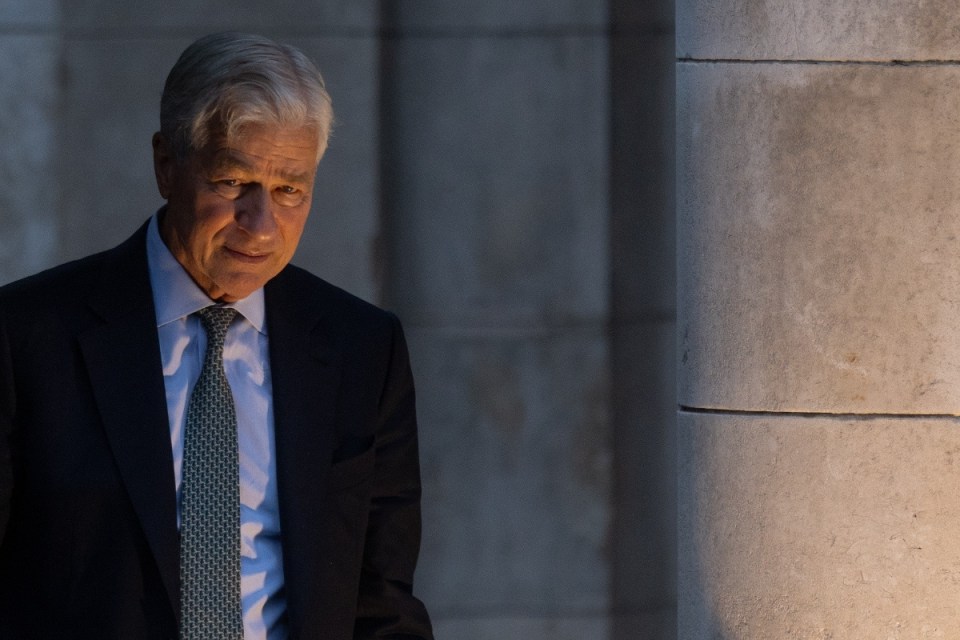
Jamie Dimon, the boss of JP Morgan and the world’s most influential banker, hasn’t minced words in his threat to pull plans for a £3bn tower if the government becomes “hostile” to the sector.
A few weeks ago I revealed there was a government hold up over the business rates exemption JP Morgan’s new tower was in line for. The legal bureaucracy and change in government had complicated the process for what the firm is hoping will end in a 100 per cent exemption.
The Wall Street titan has made it clear they won’t progress without it. Other industry bodies have shamed the move.
Perhaps a bank tax could do Burnham one favour: if Dimon pulls the project the PM won’t be forced to defend granting special treatment to the US giant. Though this would be a Pyrrhic victory, at best.