Barclays and Lloyds join banking sector plan for digital ID

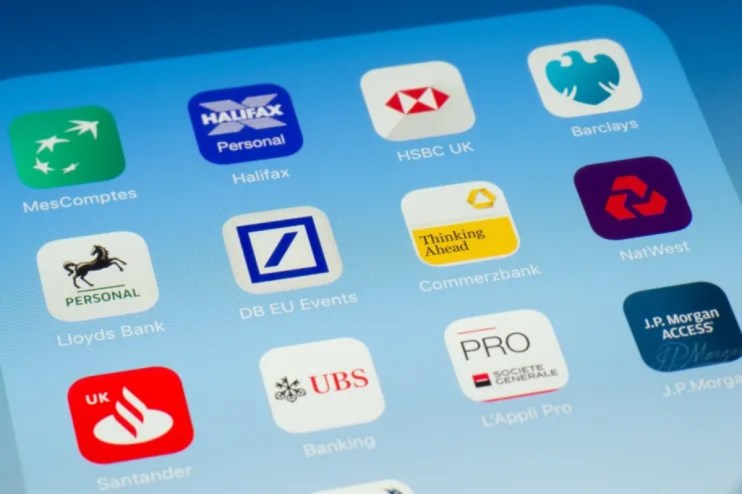
Barclays and Lloyds are among a group of top UK lenders working on a plan that would see customers able to use digital identification tools in their banking app.
The collective of banks – which also includes HSBC, Nationwide, Natwest and Santander – are working with industry body UK Finance on a process where users’ personal information will be shared with a third party to enable a customer to complete a transaction.
UK Finance said the new project has completed a “proof-of-concept” with the next stage involving a live pilot in a real-world environment set for the coming months.
It added it was a separate initiative from the government’s digital identification plan and would only be used in private sector and retail use cases.
The service is still in its planning stage and the group said it would be voluntary to use with customers “remaining in control of what data is shared and when”.
Labour’s plans to introduce digital ID have triggered waves of protests over the last year. Prime Minister Sir Keir Starmer said the system would be mandatory for people working in the UK as part of a bid to tackle illegal immigration.
Banks digital ID to make payments ‘safer and quicker’
Jana Mackintosh, managing director of payments and innovation at UK Finance, framed the move as helping make transactions “safer, quicker and more convenient”.
The move follows fraud losses surging by nearly a fifth in the last year, as scammers leveraged AI to manipulate victims.
More than £500m was stolen in 2025, with new tech creating a “lower barrier for entry” for criminals, according to UK Finance.
Authorised push payments scam victims – where fraudsters trick users into voluntarily transferring money into their account – caused over 30 per cent of the losses. Only two thirds of those affected were able to claw some funds with, with total reimbursements from banks amounting to £354.3m.
UK Finance said the new tool would help tackle fraud with verified credentials reducing scams, fake accounts and synthetic identities.
The body added it would improve efficiency for businesses through helping organisations verify their customers more reliably leading to a fall in costs.
The announcement of the working plans come after numerous banks have come under fire from customers as well as ministers for tech outages.
Lloyds Banking Group were sent into panic earlier this year after a number of users opened their mobile app to find rogue transactions that did not belong to them. Just three weeks ago the bank suffered another app outage.
A Treasury Committee report last March revealed nine of the UK’s biggest banks and building societies were down for over 803 hours – the equivalent of 33 days – over the last two years.
Barclays topped the list for most outages at 33, but had been able to reduce the length to 93 hours, shorter than some rivals. HSBC was close behind Barclays with 32 incidents, but nearly double the amount of hours, shooting up to 176.