Two million global airline seats cut as jet fuel shortage grounds travel

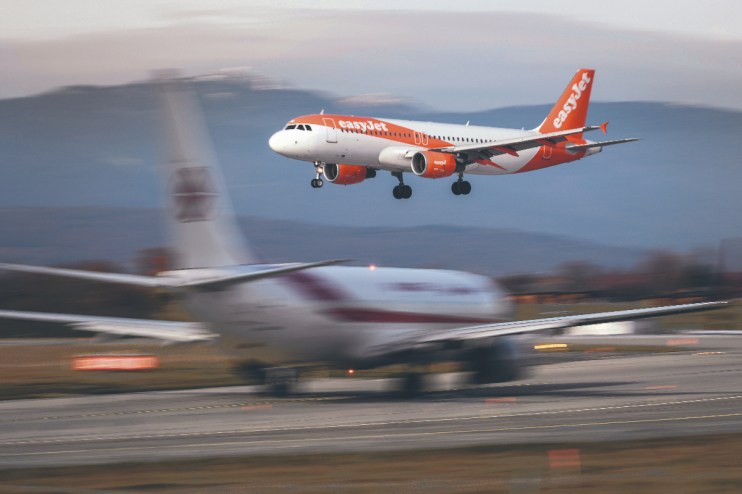
Airlines are preparing to slash millions of seats from this month’s schedule, as the Middle East conflict and soaring jet fuel prices drive up costs ahead of the industry’s busiest travel season.
Some 13,000 flights have been removed from May schedules worldwide, according to data from the aviation analytics company Cirium.
Istanbul, one of the busiest airports in the world, and Germany’s Munich aiport, have recorded the steepest declines in traffic. German airline Lufthansa has cut 20,000 short-haul flights via its Cityline subsidiary, and Irish commercial darling Aer Lingus has cancelled hundreds of flights from its summer schedule.
The price of jet fuel has doubled since the start of the war on 28 February.
Air France said it expects a $2.4bn (£1.7bn) increase in its jet fuel bill this year, while American Airlines expects its bill to increase by more than $4bn.
While global cuts are steep, London’s Heathrow airport has so far only seen a net loss of 111 flights.
However, the UK government had to intervene with transport secretary Heidi Alexander relaxing the “use-it-or-lose-it” slot rules, allowing airlines to consolidate half-empty flights to save fuel without losing future operating rights.
Alexander is also talking up staycations, following a prompt from Sir Keir Starmer that people would have to consider changing “where they go on holiday”.
‘Critically low levels’
Whilst the issues persist in the Middle East, UK refineries have been ordered to maximise jet fuel production as part of emergency contingency planning.
Analysts at Goldman Sachs warn that the UK is the “most exposed” nation in Europe due to its high reliance on imports and low inventory levels.
In the research note, Goldman Sachs said: “The UK is the largest net importer of jet fuel in Europe, and it holds no strategic reserves, leaving commercial inventories as the primary buffer.
“As a result, inventories in some countries, especially the UK, could fall to critically low levels, increasing the likelihood of rationing measures.”