Rachel Reeves’ Cash ISA plans will punish Brits who just want stability

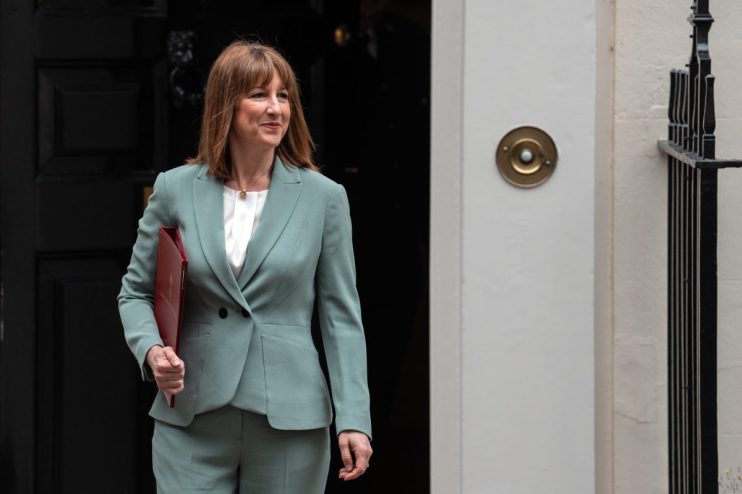
The Chancellor isn’t wrong to try and get Brits investing, but Cash ISA reform won’t work, writes Antonia Medlicott
In her speech at Mansion House on 15 July, Chancellor Rachel Reeves is expected to officially cut the annual Cash ISA limit, a policy change that will have loud consequences. On the surface, this is framed to encourage savers to invest more by making cash savings less attractive. But in reality, it’s being used in place of a much more urgent national reform in financial education.
This follows a conversation she had with the BBC back in May, where Reeves said: “I absolutely want to preserve that £20,000 tax-free investment that people can make every year.” People initially thought this meant the Cash ISA allowance was safe. But take note, Reeves didn’t specifically say she wanted to preserve the Cash ISA tax-free allowance. A Stocks & Shares ISA allowance of £20,000 and a lowered Cash ISA allowance still fit into her aim of preserving “that £20,000 tax-free investment.”
Let’s be clear: the Chancellor’s logic isn’t entirely wrong. Long-term investing has historically outperformed cash savings, and the UK’s under-participation in capital markets is a persistent issue. Only one in three adults in Britain invest, compared to two in three in the US. Closing that gap would deliver benefits for individuals and the economy alike.
But that shift doesn’t happen just because you make cash saving harder. It happens because people feel confident managing their money, and we’re nowhere near that point.
Cutting Cash ISAs won’t get Brits investing
Right now, 40 per cent of UK adults use a Cash ISA. Only 21 per cent use a Stocks & Shares ISA. That’s reflective of how complex and inaccessible investing still feels to the majority of people. What’s lacking is a sense of security, trust and understanding.
Instead of incentivising savers through education, the Chancellor has opted to effectively punish people who want stability. Those who currently use a Cash ISA may not rush to the FTSE; they may simply fall back on ordinary savings accounts, where they’ll earn less interest and face a higher tax bill. That’s not progress, it’s regression.
So what should happen instead? If the goal is to boost investment participation, it starts with closing the knowledge gap.
Financial confidence grows when people are given practical, jargon-free education on how investing works. That doesn’t mean throwing people in at the deep end. It means showing savers smart, tax-efficient alternatives.
For savers, it’s important to be prepared for the impending changes. 40 per cent of the adult population use ISAs as a tax-free savings account, but for those who are nervous, there are ways to solidify their finances and still see long-term growth.
It’s possible to earn interest tax-free by keeping uninvested cash in an investment ISA. This balance can be achieved because many investment platforms pay interest on cash held, but not invested, within portfolios. Some, such as Trading 212, pay competitive interest of up to 4.9 per cent, allowing savers to keep their tax advantage and liquidity, without being exposed to market volatility.
With this approach, there’s none of the risk that comes with being invested in stocks, or other investable assets, but you’re still getting a good, guaranteed, rate of return. And, unlike many high-paying ordinary savings accounts, the amount you can save this way is unlimited in most cases.
There are other ways too, such as Money Market Funds (MMFs), which have grown by 1,100 per cent in the past two years, and are designed to maintain a stable value while generating returns that have the potential to outstrip cash.
Basic rate taxpayers can even benefit from putting their money into a high-interest ordinary savings account and can earn £1,000 in interest annually, tax-free. Some of the top-paying regular savings accounts are currently paying up to seven per cent interest, proving that there’s room to earn decent returns outside of an ISA.
Reeves may be right to challenge the over-reliance on cash ISAs, but she’s wrong to think that capping Cash ISAs will deliver a culture shift to investment. That will only come when she recognises people have been left without the tools to fully understand it.
Antonia Medlicott is founder and managing director at financial education specialists Investing Insiders