World Cup boost fails to land UK services sector on front foot

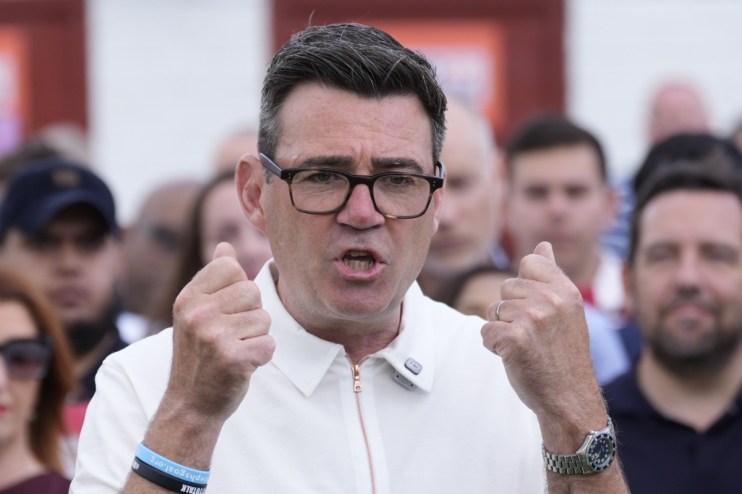
A World Cup boost failed to drag the UK’s services sector to growth last month after it recorded its fastest rate of decline in three-and-a-half years as businesses braced for the Andy Burnham coronation.
The latest Purchasing Managers Index (PMI) from S&P Global showed a reading of 48.8 in June, falling from 49.3 in May.
It remained below the neutral 50.0 point to indicate whether a sector is growing.
“Strong cost pressures, lacklustre demand and business uncertainties arising from the Middle East conflict were the most prominent themes highlighted by service sector firms in June,” Tim Moore, economics director at S&P Global Market said.
He added these factors had led to “fragile investment sentiment” and “elevated risk aversion” whilst consumers faced “squeezed consumer budgets”.
The PMI reported some consumer-facing firms were hit by the late-June heatwave that left a dent in footfall. Though hospitality enjoyed a boost to demand on the back of the FIFA World Cup.
Average prices were recorded to have sharply increased in June, though at the least marked extent since February. Businesses pointed to intense competition and subdued demand limiting their ability to pass on higher costs.
Job losses continue in services sector
The pace of job losses across the sector also picked up, falling at the sharpest rate since February.
Moore said services sector business optimism had “improved” since May but remained “much softer” than the beginning of the year.
“The marginal uplift in confidence was supported by hopes of a durable US-Iran ceasefire agreement and positivity towards business development plans,” he added.
“However, many firms noted worries about broader UK economic prospect.”
Business leaders across the UK are bracing for a period of uncertainty with Andy Burnham set to take the keys to Downing Street in the coming weeks.
One of the first tasks Burnham will be faced with is finding £4.7bn to fund Sir Keir Starmer’s defence investment plan that the outgoing Prime Minister released in one of his final acts.
In an interview with LBC, Burnham backed Labour’s manifesto commitments to not hike income tax, VAT or national insurance.
But he also added he would not make “crude cuts to benefits” sparking questions over where he would find the cash to fund defence, as well as other commitments he has previously touted.
“We doubt growth will pick up much through the rest of the year,” Thomas Pugh, chief economist at RSM UK, said.
“Even if a Burnham coronation is likely, avoiding a protracted leadership contest, there will still be speculation about the direction of fiscal policy in the coming months.”
The former Manchester Mayor indicated that he would prioritise increasing business rates on warehouses in order to fund tax cuts for high street bars, restaurants, coffee shops and hairdressers.
He added he had “deliberately” avoided making a final decision on his Chancellor pick in order to give him time to “set out a new direction for the country”.