EV targets set to be watered down

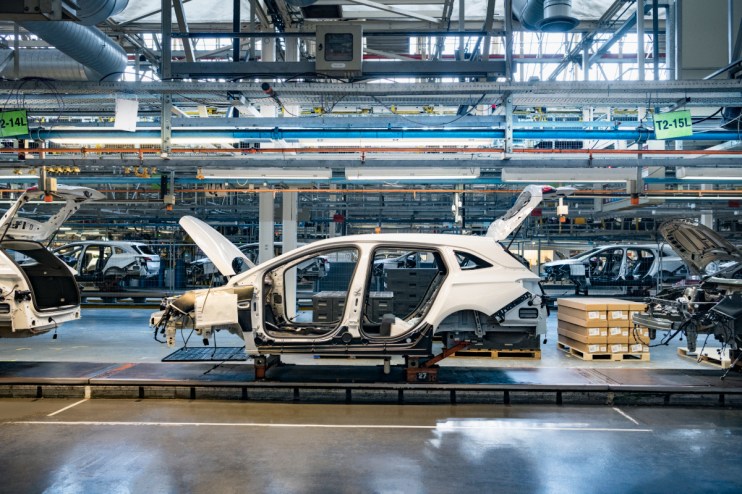
Electric vehicle sales targets for British carmakers could be watered down after ministers launched a fresh review amid growing pressure from manufacturers and dealerships.
The government said it was seeking the opinions of auto makers, suppliers and charging point providers on whether to loosen the ambitious plans to phase out sales of petrol and hybrid vehicles by 2035.
As many of 80 per cent of car sales must be EVs by 2030 in the current EV pathway, in what is one of the most ambitious government-set transition plans among developed economies.
But under fresh plans unveiled on Friday, the government proposed reducing that target to 50 per cent to after a slew of warnings from industry.
Carmakers and dealerships have been sounding the alarm over the tapered target – known as the zero emissions vehicle (ZEV) mandate – which they have said risked deterring investment and forcing them to sell vehicles at a loss.
“It’s right we keep targets under review to ensure they’re practical and back British industry,” transport secretary Heidi Alexander said. “The end goal hasn’t changed – but we need to take business with us on the journey and that’s exactly what we’re doing today by making sure industry has the chance to shape how we get there.”
EV review follows industry warnings
The Society of Motor Manufacturers and Traders (SMMT) had previously said the policy, which forces carmakers to sell a growing share of electric cars each year, was “running ahead of market demand” and urgently needed to be watered down.
In 2024, Stellantis cited the policy as a core factor behind its decision to shutter a van-making plant in Luton. At the time, the Citreon maker’s boss warned that “all Stellantis production in the UK could stop” without a change to the rules, which were first introduced by Boris Johnson’s Conservative government.
In a joint statement from dealerships responding to the consultation, Enterprise Mobility, Vertu Motors, Zenith and United Rental Group said the review was “urgently needed to restore confidence in the UK’s transition to electric vehicles”.
“It has long been clear that our transition to EVs will not be achieved through regulation and targets alone, and that it requires a practical partnership between government industry and consumers to create the conditions that will make it possible for people to switch,” they added.
Under the consultation plans, the government said it would not abandon its promise to ban the sale of purely petrol cars beyond 2030. But it opened the door to automakers being allowed to sell a greater proportion of hybrid vehicles. The deadline for phasing out all hybrid sales by 2035 will also remain in place under the proposals outlined.
SMMT boss Mike Hawes said: “Regulatory targets are now running ahead of current consumer demand, so this review is a timely opportunity to optimise the pace of change. This is a regulation that increasingly dictates consumer choice – and therefore automotive companies’ future strategies and viability – so it must work for all involved.
“That means a commercially sustainable transition that supports UK competitiveness, investment and jobs while delivering greater choice and affordability for motorists – with a rapid resolution needed to unlock those benefits for everyone.”