Where have the music festival headliners gone?

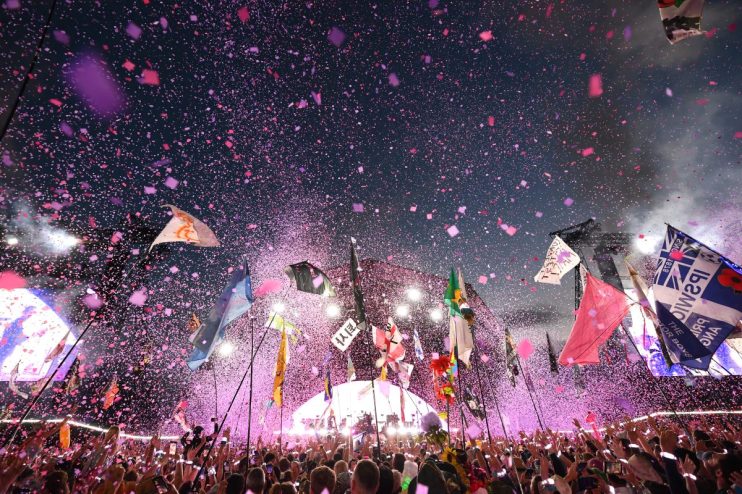
Yoga in the Healing Fields and communal sing-a-longs around the Stone Circle were more popular than ever at Glastonbury this year, after headline writers and audiences slammed the music line-up as the worst in history.
Headliners are the most expensive part of the festival experience, with fees for booking the world’s biggest acts running into the hundreds of thousands. Glastonbury has long said “they are not in the position to give people enormous amounts of money,” and as putting on festivals gets harder due to cost of living constraints, it isn’t just major artists disappearing from line-ups, it’s upcoming names too.
“Artists should be concerned about the number of festivals that have fallen,” says John Rostron of the Association of Independent Festivals, citing 215 cancelled events over the past five years. “That’s thousands of performance slots that have gone.”
What happened to all the music festival headliners?
Bands are also being stifled by festivals booking them exclusively, a move that effectively bans artists from touring other events.
But festivals have always been about more than music. It’s an argument I’ve made countless times, if you dare to Google my name, especially when it comes to Glastonbury, which has scores of activities on offer, from yoga to theatre and circus, which this year took over the main stage as a headliner on the first night. But more and more events are pivoting away from the headliner format. And as streaming makes our music tastes more varied and diffuse, line-ups are pushing into new territories to cater to niche audiences.
This is no bad thing. While you may not have heard of the acts, I’d argue – for the events that can cobble together the cash to get over the line – ditching big names is bringing far more intrigue to Britain’s fields. It’s a trend Gen Z are on board with: there’s already evidence that younger generations are going to festivals for the broader experience over seeing one or two particular acts.
Secret Garden Party pledged to ditch headliners last year. “They were rallying against the increase in artist headliner costs, making a statement,” says Rostron. And the festival – which was always about fancy dress and getting lost in the woodlands more than sticking to a rigid band-watching agenda – only became more radical and boundary-pushing.
It inspired Grassroots Rising, a new event taking place in 2026 on the Cambridgeshire Secret Garden Party site that will incorporate multiple festivals. Organised by Bristol’s Chai Wallahs venue and backed by the Music Venues Trust, the new ‘festival of festivals’ taking place from 18-21 June 2026 will support events that wouldn’t otherwise be viable due to financial constraints.
Creative director Si Chai said: “If we bring six festivals together in one environment, we’re saving around 30-40 per cent on infrastructure costs and transportation. There is also a saving on digital marketing costs because we’ve all built up our own databases. We’ve all got previous ticket buyers, and we can communicate directly to them and market directly to them.” Cash will be raised through a Crowdfunder launching later in the year.
So perhaps not landing a Glastonbury ticket isn’t so bad. It frees you to explore the UK’s other independent festivals, great events like We Out Here in Dorset, Deershed in Yorkshire and 2000 Trees in Gloucestershire, which all need our support – and offer Glastonbury-esque community on a smaller scale.
Adam is deputy editor of City AM – The Magazine
Read more: Glastonbury 2025: the 7 best moments from Worthy Farm