UK unemployment will surpass pandemic high, says JP Morgan

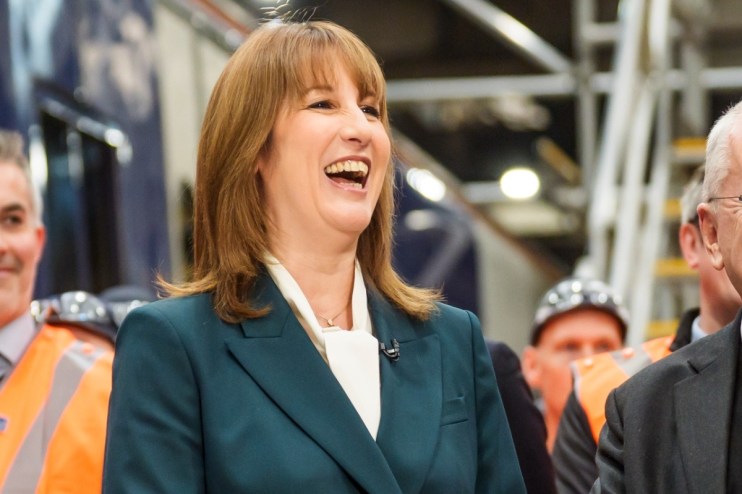
UK unemployment will brush past its peak in the Covid-19 pandemic, Wall Street’s biggest bank has predicted, as employer’s still feel the brunt of Rachel Reeves’ cash grabs.
The rate of unemployed Brits is tipped to reach 5.5 per cent by the late spring, according to a forecast by JP Morgan, which would mark an increase from the 5.2 per cent in the Office for National Statistics’ latest release for the October to December window.
Businesses have felt the crunch of rising costs amid the increases to the national minimum wage and the £25bn national insurance tax raid launched in the 2024 Autumn Budget.
“Over a year has passed since the tax hike, and the jobs market is still stagnating,” Allan Monks, chief UK economist at JP Morgan, said.
Monks said the hike to employer’s national insurance “disproportionately affected business employing higher proportions of lower paid workers” particularly in industries like retail and hospitality.
He added other factors such as the adoption of AI had also accelerated unemployment trends, as sectors exposed to automation “look relatively weak”.
Unemployment increases fuel interest rate cuts
But the weakening labour market is likely to add more fuel to the Bank of England’s rate-cutting cycle, economists are anticipating.
Monks said the weakening labour market should encourage the Bank to “at least remove policy restrictiveness with two more cuts by June”.
He added the risk was that the unemployment rate could drive further into the second half, though said a “belated job market recovery” was predicted.
“A fiscal-related drag on job growth should fade, and rising domestic and global business confidence should feed through positively into hiring decisions,” Monks said.
A more dovish few months are being pencilled in for the Bank of England, fuelled by recent comments from Alan Taylor, who has voted for larger interest cuts over the last 18 months.
“We might have two or three rate cuts to go before the theoretical neutral level,” Taylor said on Tuesday.
He added risks were shifting to “lower inflation and higher unemployment”.