UK Hospitality launch campaign to undo budget ‘hammer blow’ to sector

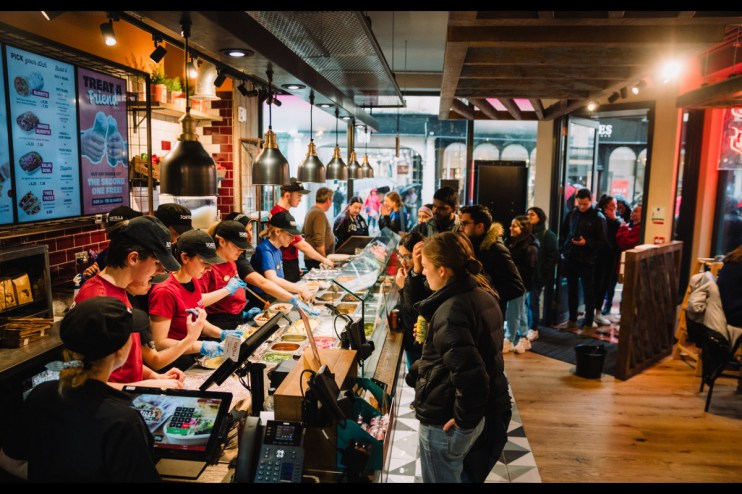
Industry lobby group UK Hospitality has launched a campaign to reverse the “unfair” tax burden on the sector, #TaxedOut.
The body has been vocal about the damage caused by higher taxes announced in the Autumn budget, estimating that 69,000 jobs have been lost since last October.
“The 2024 Budget was a hammer blow to hospitality… businesses are reporting jobs being lost, hours cut, investment cancelled and [closures],” the group said.
The campaign, #TaxedOut, asks the government to lower business rates, “fix” NICs and cut VAT.
According to UK Hospitality, a third of businesses are now operating at a loss, while 76 per cent have had to increase prices and a third have restricted opening hours.
Last week, representatives from across the UK warned the government that high taxes were suffocating the sector – particularly for small businesses – putting ‘insurmountable burdens’ on businesses.
“Hospitality is being taxed out of existence, and that is a political choice we need to change,” Alistair Carmichael, Liberal Democrat MP for Orkney and Shetland, said.
Angus MacDonald, MP for Inverness, said that the hospitality sector in rural Britain “has not struggled more in my lifetime”.
“The governments, both the last two governments, have plucked the golden goose of hospitality so often it no longer has any feathers,” he added.
The Autumn budget increased the rate of employers national insurance contributions (NICs) from 13.8 per cent to 15.0 per cent, and the threshold for payment was lowered to include most part-time workers.
Business rates had been cut by 75 per cent during the pandemic to help local businesses survive, but that relief fell to 40 per cent this year despite continuing pressure on the industry. VAT stands at 20 per cent.
“We want to get back to growth… but we need three changes in the Budget,” UK Hospitality said.
The government plans to implement a lower business rate multiplier from 2026/27 and it has introduced a ‘draught relief’ for pubs, although critics say these measures do not go far enough.